A baseball cap is more than just an accessory—it’s a statement of personal style, a functional shield from the sun, and often a long-term companion through seasons of use. Yet not all caps are created equal. While a cheap cap might look good on day one, it can quickly lose its shape, fade in color, or irritate your skin. A high-quality cap, on the other hand, offers durability, consistent comfort, and timeless appeal. Knowing what to look for ensures you invest wisely in a piece that lasts.
1. Evaluate the Fabric: The Foundation of Quality
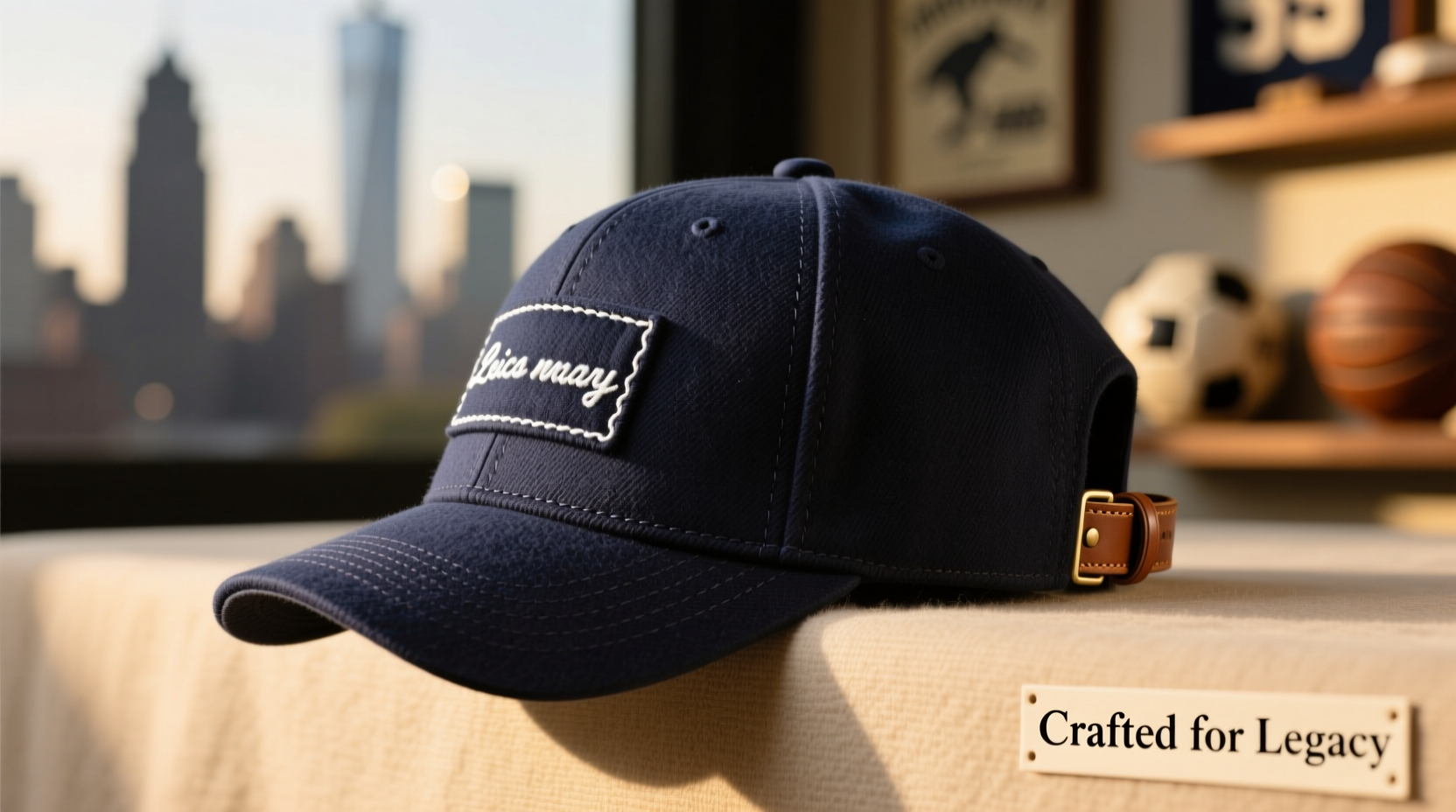
The material of a baseball cap determines much of its performance—how it feels against your skin, how it handles sweat, and how well it maintains its structure over time. High-end caps typically use premium fabrics such as:
- Cotton twill – Durable, breathable, and softens with wear without losing integrity.
- Wool – Ideal for cooler climates; naturally moisture-wicking and resilient.
- Performance blends (polyester-rayon-spandex) – Often used in athletic caps for stretch, sweat resistance, and shape retention.
Avoid 100% polyester unless it’s designed for sport-specific use. Cheap polyester tends to trap heat, develop odors, and pill over time. Instead, look for tightly woven fabrics with a substantial hand-feel—lightweight but not flimsy.
Tip: Run your fingers over the fabric. If it feels thin, slippery, or overly shiny, it’s likely low-grade.2. Inspect the Stitching and Construction
Premium construction separates a lasting cap from one that unravels after a few washes. Turn the cap inside out and examine the seams closely. Look for:
- Consistent, tight stitching with no loose threads.
- Double-stitched stress points, especially along the crown and visor attachment.
- Sewn-in eyelets (the small holes on the sides) rather than punched or melted ones. Sewn eyelets resist fraying and reinforce ventilation.
The number of panels also matters. Traditional six-panel caps with a center seam are standard in quality headwear because they offer better structural support and a clean front panel for logos or embroidery.
“Stitch density is a silent indicator of craftsmanship. More stitches per inch mean stronger seams and longer life.” — Daniel Ruiz, Headwear Designer at Urban Thread Co.
3. Assess the Fit and Structure
A well-fitting cap should feel secure without pinching, sit comfortably above your ears, and leave no pressure band across your forehead. Key elements to evaluate include:
- Adjustability: High-quality adjustable straps (like leather or nylon snapbacks or buckles) last longer than plastic snaps. Fitted caps should follow standardized sizing (S–XL) with clear labeling.
- Brow band lining: Moisture-wicking terry cloth or antimicrobial fabric inside the sweatband enhances comfort and hygiene.
- Cap curvature: The visor should have a slight natural curve, not floppy or overly stiff. Premium caps often feature a reinforced visor with a structured under-layer (usually buckram or foam) to maintain shape.
| Feature | High-Quality Sign | Red Flag |
|---|---|---|
| Fabric | Tightly woven cotton, wool, or performance blend | Thin polyester, visible sheen, wrinkling easily |
| Stitching | Even, double-stitched, sewn eyelets | Loose threads, single stitching, torn grommets |
| Sweatband | Soft, absorbent, stitched securely | Peeling, rough texture, glued-on |
| Visor | Smooth curve, firm but flexible | Warping, bubbling, or cracking |
| Fit | Snug but comfortable, no pressure points | Slipping, pinching, or leaving marks |
4. Real-World Example: The Weekend Commuter’s Test
Take Mark, a graphic designer who cycles to work daily. He bought two caps: one from a fast-fashion retailer ($12), the other from a heritage workwear brand ($38). After four months:
- The $12 cap had faded significantly, the sweatband peeled away, and the visor warped from sun exposure.
- The $38 cap retained its color, showed minimal wear, and still held its shape—even after weekly hand washes.
Mark realized the higher upfront cost saved him money and hassle in the long run. His experience underscores a simple truth: quality pays off in consistency and longevity.
5. Care Tips to Extend Lifespan
Even the best cap will degrade without proper care. Follow these steps to preserve your investment:
- Avoid machine washing unless specified. Hand wash with mild detergent and cold water.
- Never wring or twist the cap—reshape it gently and air dry on a form (like a coffee can) to maintain crown structure.
- Rotate usage if worn daily. This allows fibers to recover and reduces odor buildup.
- Store properly—avoid crushing in bags or car seats. Keep in a drawer or on a shelf.
- Spot clean regularly with a damp cloth to remove oils and dirt before they set.
Checklist: How to Spot a High-Quality Cap
Before purchasing, go through this quick checklist:
- ✅ Fabric feels substantial and tightly woven
- ✅ Six-panel construction with clean center seam
- ✅ Double-stitched seams and sewn eyelets
- ✅ Sweatband is soft, absorbent, and securely attached
- ✅ Visor holds a smooth curve and doesn’t flop
- �� Adjustable strap (if applicable) is made of durable material
- ✅ No loose threads, glue stains, or uneven embroidery
- ✅ Brand reputation for quality or transparent sourcing
FAQ
Can I improve the fit of a slightly loose fitted cap?
Yes. Some people insert a moisture-absorbent hairband or adhesive foam strip inside the sweatband to reduce size discreetly. However, consistently wearing an ill-fitting cap can stretch it further, so consider sizing up in adjustables instead.
Are vintage-style caps less durable?
Not necessarily. Many vintage-inspired caps use retro designs but modern materials. Check the label—some “heritage” lines actually exceed standard durability thanks to reinforced stitching and premium cotton.
Do expensive brands always mean better quality?
No. While some premium brands uphold high standards, others charge for branding alone. Always assess the physical details—fabric, stitching, structure—regardless of the logo.
Conclusion: Choose Smart, Wear Longer
A high-quality baseball cap doesn’t shout for attention—it earns respect through quiet excellence. It stays cool in summer, keeps its shape after months of use, and complements your look without demanding constant replacement. By learning to identify strong materials, precise stitching, and thoughtful design, you shift from passive consumer to informed buyer. Your next cap can be more than a trend; it can become a trusted part of your everyday style.
💬 Found a cap that’s stood the test of time? Share your favorite brand or care tip in the comments—help others build a smarter wardrobe.








