Starting an anime journey can feel overwhelming. With thousands of series spanning decades and genres, knowing where to begin is often the biggest hurdle. A well-curated anime marathon simplifies that entry point, transforming confusion into excitement. Whether you're hosting friends, planning a solo binge, or introducing a partner to the medium, a thoughtful approach ensures engagement, enjoyment, and lasting appreciation. This guide walks through the essential steps to design a beginner-friendly anime marathon that balances entertainment, accessibility, and cultural context—without relying on prior knowledge.
Step 1: Define the Purpose and Audience
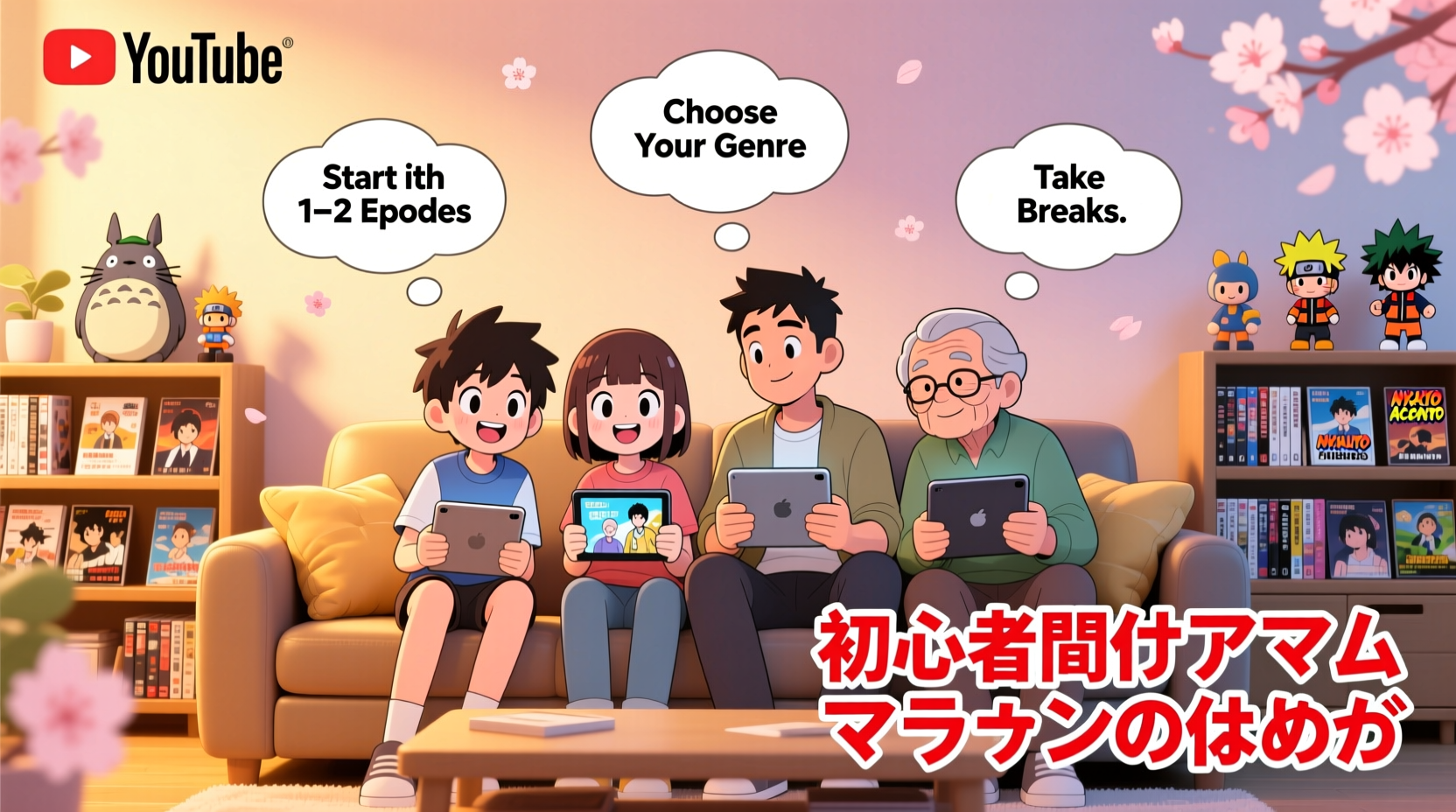
The foundation of any successful anime marathon is clarity about who it’s for and why it exists. Are you introducing someone entirely new to Japanese animation? Is this a themed celebration for a holiday or convention season? Or are you helping a friend explore emotional storytelling through anime films?
Beginners respond best when content aligns with their interests and viewing habits. For instance, someone who enjoys superhero films might appreciate action-packed shonen series like *My Hero Academia*. A viewer drawn to character-driven dramas may connect more deeply with Studio Ghibli’s introspective films such as *Spirited Away* or *The Wind Rises*.
Tip: Ask your audience one simple question: “What kind of stories do you usually enjoy?” Use their answer—adventure, romance, mystery, comedy—as your starting genre filter.Avoid assuming all anime is fast-paced or fantastical. Anime spans quiet slice-of-life narratives, historical epics, psychological thrillers, and workplace comedies. Matching tone and pacing to viewer preferences increases retention and enjoyment.
Step 2: Choose a Theme or Entry Point
An unstructured list of popular titles can overwhelm newcomers. Instead, build cohesion through a central theme. Thematic marathons create narrative continuity and make selections feel intentional rather than random.
Popular beginner-friendly themes include:
- Studio Focus: Explore works from Studio Ghibli, MAPPA, or Bones to showcase visual diversity and directorial styles.
- Genre-Based: Select a single genre—fantasy, school life, mecha—and present its evolution across different series.
- Cultural Introduction: Highlight anime that reflect aspects of Japanese society, seasons, food (*Yakitate!! Japan*), or traditions.
- Coming-of-Age Journeys: Feature protagonists growing through challenges, ideal for viewers who value personal development.
- Film-Centric Marathon: Curate a lineup of standalone movies instead of long series to reduce time commitment.
“Thematic curation helps audiences see anime not as a monolith but as a diverse artistic medium.” — Dr. Akari Nakamura, Media Studies Lecturer at Kyoto University of Art
For first-time viewers, short film collections or trilogies work better than 50-episode sagas. Consider grouping entries by mood: start light, build intensity, then close with something reflective or uplifting.
Step 3: Select Beginner-Friendly Titles
Not all acclaimed anime are suitable for newcomers. Some rely heavily on cultural references, complex lore, or niche tropes unfamiliar to Western audiences. The goal is accessibility without sacrificing quality.
Below is a curated comparison of recommended titles based on genre, runtime, and thematic accessibility:
| Title | Genre | Episodes/Runtime | Why It Works for Beginners |
|---|---|---|---|
| Spirited Away | Fantasy / Adventure | 2-hour film | Visually stunning, emotionally resonant, minimal prior knowledge needed. |
| My Neighbor Totoro | Family / Slice-of-Life | 1h 26m film | Gentle pacing, universal themes of childhood wonder and nature. |
| Death Note | Psychological Thriller | 37 episodes (~25 min each) | Self-contained story, high tension, easy-to-follow moral conflict. |
| K-On! | Comedy / Music | 25 episodes (Season 1) | Low stakes, charming characters, introduces anime humor gently. |
| Fullmetal Alchemist: Brotherhood | Action / Drama / Fantasy | 64 episodes | Balances epic scale with strong emotional core; widely considered gateway anime. |
When selecting titles, prioritize those with:
- Strong English dubs (if subtitles aren’t preferred).
- Clear narrative arcs within a limited episode count.
- Minimal reliance on untranslated jokes or wordplay.
- Streaming availability on platforms like Crunchyroll, Netflix, or Hulu.
Step 4: Structure the Viewing Experience
An anime marathon isn’t just about what to watch—it’s also about how and when. A thoughtful schedule prevents burnout and enhances immersion.
Follow this step-by-step timeline for a weekend-long beginner marathon:
- Day 1 – Morning: Start with a lighthearted, visually appealing film like My Neighbor Totoro. Sets a welcoming tone and introduces animation style gently.
- Day 1 – Afternoon: Transition to a slightly longer or more dynamic title, such as the first few episodes of My Hero Academia (episodes 1–4). Introduces action tropes without overloading.
- Day 1 – Evening: Screen a critically acclaimed standalone film like Spirited Away. Ideal for group viewing and post-screening discussion.
- Day 2 – Morning: Offer a palette cleanser—a comedic or heartwarming series like Barakamon or Lucky Star—to maintain energy.
- Day 2 – Afternoon: Dive into a serialized story with rising stakes, such as Death Note episodes 1–6. Builds investment gradually.
- Day 2 – Evening: Conclude with a powerful finale, either a complete film (Grave of the Fireflies) or a climactic episode from a series. End on emotional resonance.
Include breaks between viewings. Schedule 15–30 minutes for snacks, discussion, or stretching. Avoid back-to-back episodes beyond two unless the group is highly engaged.
Enhance immersion with small touches: label snacks with Japanese names (e.g., “Onigiri Break”), play anime soundtracks during intermissions, or display trivia cards about each title’s production history.
Mini Case Study: Sarah’s First Anime Weekend
Sarah, a 28-year-old graphic designer with no prior anime experience, agreed to a curated marathon hosted by her partner, a longtime fan. He avoided dumping his favorite niche series on her. Instead, he built a three-film journey: My Neighbor Totoro, Spirited Away, and Howl’s Moving Castle.
Each film was shown on a separate evening with themed snacks—matcha cookies, rice balls, and homemade ramen. After each screening, they discussed favorite scenes and visuals. By the end, Sarah didn’t just tolerate anime—she looked up Studio Ghibli’s art books online and asked to watch Ponyo next.
The key? Respect for her pace, absence of pressure, and emphasis on shared experience over fandom expertise.
Step 5: Prepare Logistics and Engagement Tools
Technical hiccups can derail even the best-planned marathon. Ensure smooth execution with a pre-event checklist.
Beginner’s Anime Marathon Checklist
- ✅ Confirm streaming access to all selected titles (check regional availability)
- ✅ Test subtitle settings and audio quality in advance
- ✅ Charge remotes and ensure HDMI cables are functional
- ✅ Prepare a printed or digital schedule with start times
- ✅ Stock up on drinks and easy-to-eat snacks (avoid messy foods)
- ✅ Create a distraction-free viewing space (dim lights, silence phones)
- ✅ Have backup devices ready (tablet, laptop) in case of crashes
- ✅ Print short summaries of each title (2–3 sentences) for newcomers
Engagement matters just as much as logistics. Encourage conversation without turning it into a lecture. Simple prompts help:
- “Which character felt the most relatable, and why?”
- “Did any scene surprise you visually or emotionally?”
- “Would you want to know what happens next? Why or why not?”
Avoid correcting viewers’ interpretations or diving into deep lore. Let them form their own connections.
Common Pitfalls to Avoid
Even well-intentioned hosts can misstep. Here’s a quick reference table of common mistakes and better alternatives:
| Don’t | Do Instead |
|---|---|
| Start with a 90-episode series | Choose a film or 4–6 episode arc to test interest |
| Assume everyone likes action | Balance genres to expose variety within anime |
| Insist on subbed-only versions if others prefer dubs | Respect viewing preferences; both are valid |
| Over-explain plot twists or symbolism | Ask open-ended questions to spark organic discussion |
| Ignore comfort needs (seating, breaks) | Design the space for physical and mental ease |
Remember: the goal isn’t conversion to hardcore fandom. It’s offering a respectful, enjoyable introduction that leaves the door open for future exploration.
FAQ
How long should an anime marathon be for a beginner?
Aim for 4–8 hours total, spread across one or two days. Begin with shorter sessions (1.5–2 hours) to gauge interest. Overextending risks fatigue and negative associations.
Are there anime marathons suitable for children?
Absolutely. Studio Ghibli films like My Neighbor Totoro, Kiki’s Delivery Service, and Ponyo are family-friendly and rich in imagination. Avoid violent or psychologically intense titles (e.g., *Attack on Titan*, *Tokyo Revengers*) for young viewers.
What if my guest doesn’t like the first anime we watch?
That’s normal. Anime is diverse—disliking one title doesn’t mean disliking the entire medium. Pivot gently: “That one wasn’t for you? Let’s try something completely different—maybe a comedy or a nature-themed story.” Flexibility keeps the experience positive.
Conclusion
Curating an anime marathon for beginners is less about showcasing every classic and more about creating a welcoming gateway. Thoughtful selection, clear structure, and empathetic hosting turn what could be a confusing experience into a memorable one. You’re not just playing videos—you’re guiding someone through a new world of storytelling, artistry, and emotional depth.
Start small. Prioritize connection over completion. Let curiosity—not obligation—drive the journey. Whether it sparks a lifelong interest or simply becomes a fun weekend memory, you’ve offered something valuable: the gift of shared stories.
💬 Hosted your own anime marathon? Share your theme, lineup, and lessons learned in the comments—your experience could inspire someone else’s first great anime night.








