In today’s fast-paced world, many people spend hours on their feet—walking to work, standing during errands, or navigating urban environments. While fashion often takes center stage in footwear choices, wearing unsupportive shoes day after day can lead to discomfort, fatigue, and even long-term foot and joint problems. Sports shoes, designed with biomechanics in mind, offer an ideal solution for daily wear when chosen correctly. They combine cushioning, stability, and breathability in ways that most casual or dress shoes cannot match. The key is selecting a pair that aligns with your foot type, gait, and lifestyle—not just one that looks good.
Understand Your Foot Type and Gait
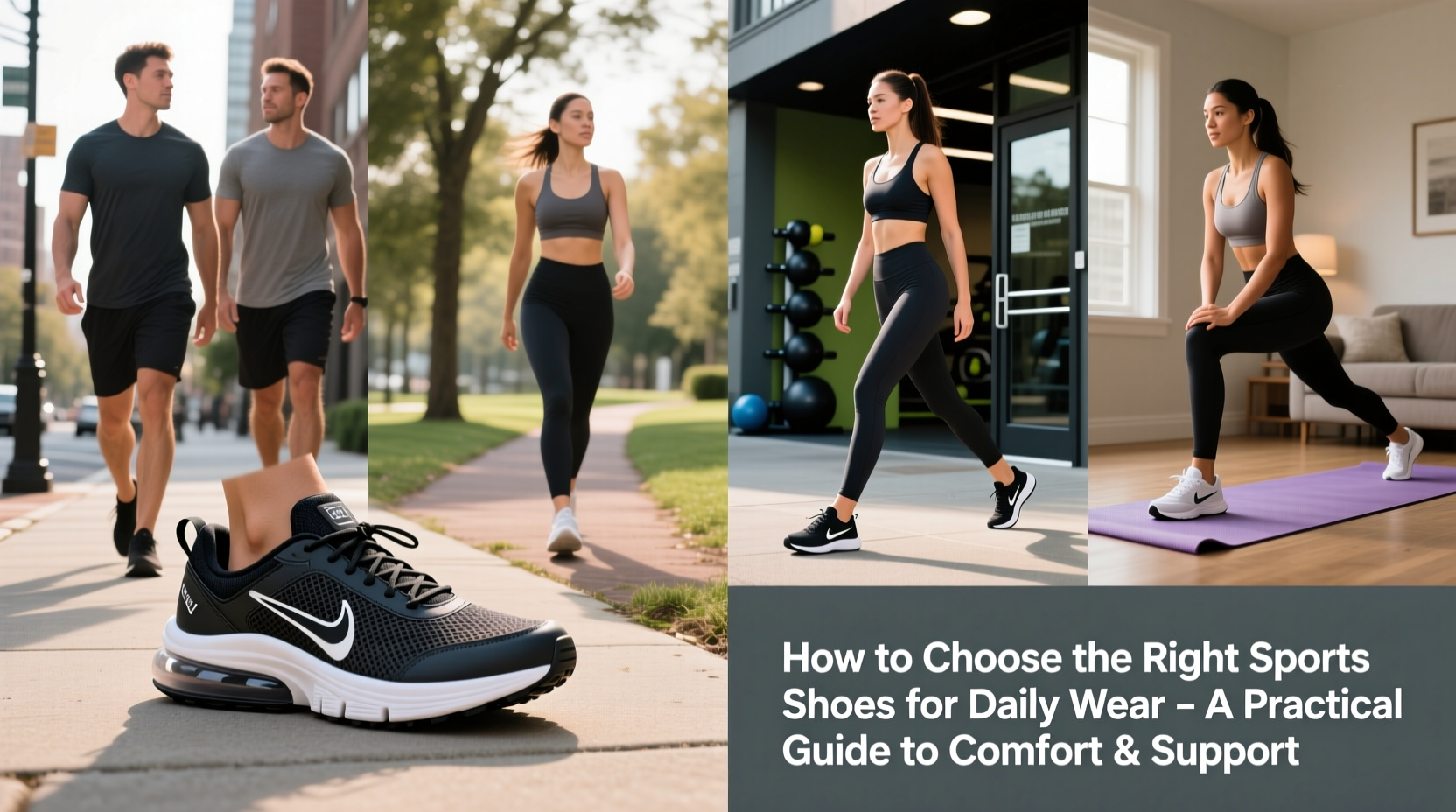
Your feet are unique. Some people have high arches, others flat feet, and many fall somewhere in between. How your foot rolls when you walk—known as pronation—is equally important. Overpronation (inward rolling) and underpronation (outward rolling) can both lead to strain if not properly supported.
To determine your foot type, try the “wet test”: wet the sole of your foot and step onto a piece of cardboard or paper. If you see a full footprint, you likely have flat feet and may overpronate. A narrow or broken midfoot line suggests high arches and possible underpronation. A balanced imprint indicates a neutral arch.
“Choosing shoes based on your foot mechanics isn’t just about comfort—it’s preventive healthcare for your joints.” — Dr. Lena Patel, Podiatrist and Biomechanics Specialist
Once you understand your foot structure, look for features that counteract imbalances. Motion control or stability shoes help those with overpronation, while cushioned, flexible soles benefit high-arched feet that need shock absorption.
Key Features to Look For in Daily-Wear Sports Shoes
Not all athletic shoes are built for all-day use. Running shoes, for example, excel in forward motion but may lack lateral support needed for side-to-side movement in daily life. Here’s what to prioritize:
- Midsole cushioning: EVA foam or gel inserts absorb impact, reducing stress on knees and hips.
- Firm heel counter: A stiff back cup stabilizes the heel and prevents excessive motion.
- Arch support: Should match your natural arch height—removable insoles allow customization.
- Breathable upper: Mesh materials prevent overheating and moisture buildup.
- Flexible forefoot: Allows natural toe-off during walking without restricting movement.
- Durable outsole: Rubber with tread patterns improves grip on varied surfaces like pavement, tile, or gravel.
Step-by-Step Guide to Choosing the Right Pair
Selecting the ideal sports shoe doesn’t have to be overwhelming. Follow this sequence to make an informed decision:
- Evaluate your daily routine: Do you walk more than 5,000 steps? Stand for hours? Climb stairs frequently?
- Measure both feet: Use a Brannock device at a specialty store. One foot is often larger—size for the bigger one.
- Test for fit: Leave a thumb’s width (about ½ inch) between your longest toe and the shoe tip. Heel should not slip.
- Walk on different surfaces: Try them on carpet, tile, and inclines if possible. Listen for squeaks or pressure points.
- Check flexibility: Bend the shoe at the forefoot—it should flex where your toes do, not in the middle.
- Assess weight: Lightweight shoes reduce leg fatigue over time, but don’t sacrifice support for minimalism.
- Break them in gradually: Wear for 1–2 hours daily, increasing duration to ensure no irritation develops.
Common Mistakes to Avoid
Even well-intentioned buyers make errors that compromise comfort and longevity. These pitfalls are easy to miss but critical to avoid:
| Mistake | Why It’s Problematic | Better Alternative |
|---|---|---|
| Choosing style over function | Fashion-forward designs often cut corners on support and cushioning | Prioritize structural integrity—even sleek models from reputable brands exist |
| Wearing the same pair every day | Materials don’t fully recover, leading to odor, compression, and breakdown | Rotate between two pairs to extend lifespan and maintain freshness |
| Ignoring replacement timing | Most sports shoes lose support after 300–500 miles | Track usage or replace every 6–12 months with regular wear |
| Using running shoes for non-running activities | Lack of lateral support increases ankle roll risk during casual movement | Opt for cross-trainers or walking-specific models for mixed-use days |
Real-Life Example: From Pain to All-Day Comfort
Sarah, a retail supervisor in Chicago, used to suffer from plantar fasciitis flare-ups twice a year. She wore basic sneakers because they were “comfortable enough,” but after a podiatrist visit, she learned her flat feet required structured support. She switched to a stability shoe with a medial post and firm midsole, specifically designed for overpronators. Within three weeks of consistent use, her morning heel pain decreased significantly. Now, she rotates between two supportive pairs and reports being able to manage 10-hour shifts without foot fatigue—a change she calls “life-altering.”
Do’s and Don’ts Checklist
✅ DO:
- Shop at stores with trained fitters or gait analysis tools
- Wear the socks you plan to use daily when trying on shoes
- Replace insoles with orthotics if prescribed
- Choose shoes with wide toe boxes if you have bunions or hammertoes
- Keep older pairs for light use or backup
❌ DON’T:
- Assume your size is the same across brands
- Buy shoes that feel tight, expecting them to stretch
- Use worn-out shoes beyond their functional life
- Select ultra-minimalist shoes without building up tolerance
- Ignore early signs of discomfort like rubbing or numbness
Frequently Asked Questions
Can I wear sports shoes with formal or business-casual outfits?
Yes—many modern minimalist trainers come in neutral colors (black, white, gray, navy) and sleek silhouettes that pair well with chinos, jeans, or even tailored trousers. Brands like Adidas Stan Smith, Ecco Soft 7, or Allbirds Tree Dashers blend performance with understated style.
How do I know when it’s time to replace my sports shoes?
Look for visible creasing in the midsole, uneven outsole wear, loss of bounce, or recurring foot or leg pain. A general rule: 300–500 miles of use, or 6–12 months with average daily wear. Rotate pairs to prolong life and detect degradation earlier.
Are expensive sports shoes worth it?
Price doesn’t always equal quality, but higher-priced models often use advanced materials, undergo rigorous testing, and offer better durability. Invest in a well-reviewed pair from trusted brands like Brooks, ASICS, New Balance, or Hoka—especially if you have specific support needs. The long-term savings in reduced medical costs and replacements often justify the upfront cost.
Make Comfort a Daily Priority
Choosing the right sports shoes for everyday wear is more than a convenience—it’s an investment in your mobility, posture, and overall well-being. With the right fit and support, you can walk farther, stand longer, and move through your day with confidence. Don’t let outdated ideas about “athleisure” limit your choices. Modern performance footwear offers both function and style, making it easier than ever to put your best foot forward—literally.
💬 What’s your go-to pair for all-day comfort? Share your favorite sports shoe model and why it works for you—your insight could help someone else find relief and support.








