
Cycling is a joyful, healthy activity that helps children build confidence, coordination, and independence. But like any physical activity, it comes with risks—especially head injuries. A properly fitted bike helmet is the most effective way to protect a child’s brain during a fall or collision. Yet, studies show that nearly half of all children wear helmets that are either too loose, too tight, or incorrectly positioned. The difference between protection and vulnerability often comes down to one thing: fit.
Choosing the right size isn’t just about measuring head circumference. It involves understanding how helmets should sit on the head, how straps must be adjusted, and how to ensure long-term comfort without compromising safety. This guide walks through every critical aspect of selecting and fitting a bike helmet for children—from infants just starting on balance bikes to older kids riding independently on neighborhood streets.
Why Proper Helmet Fit Matters for Kids
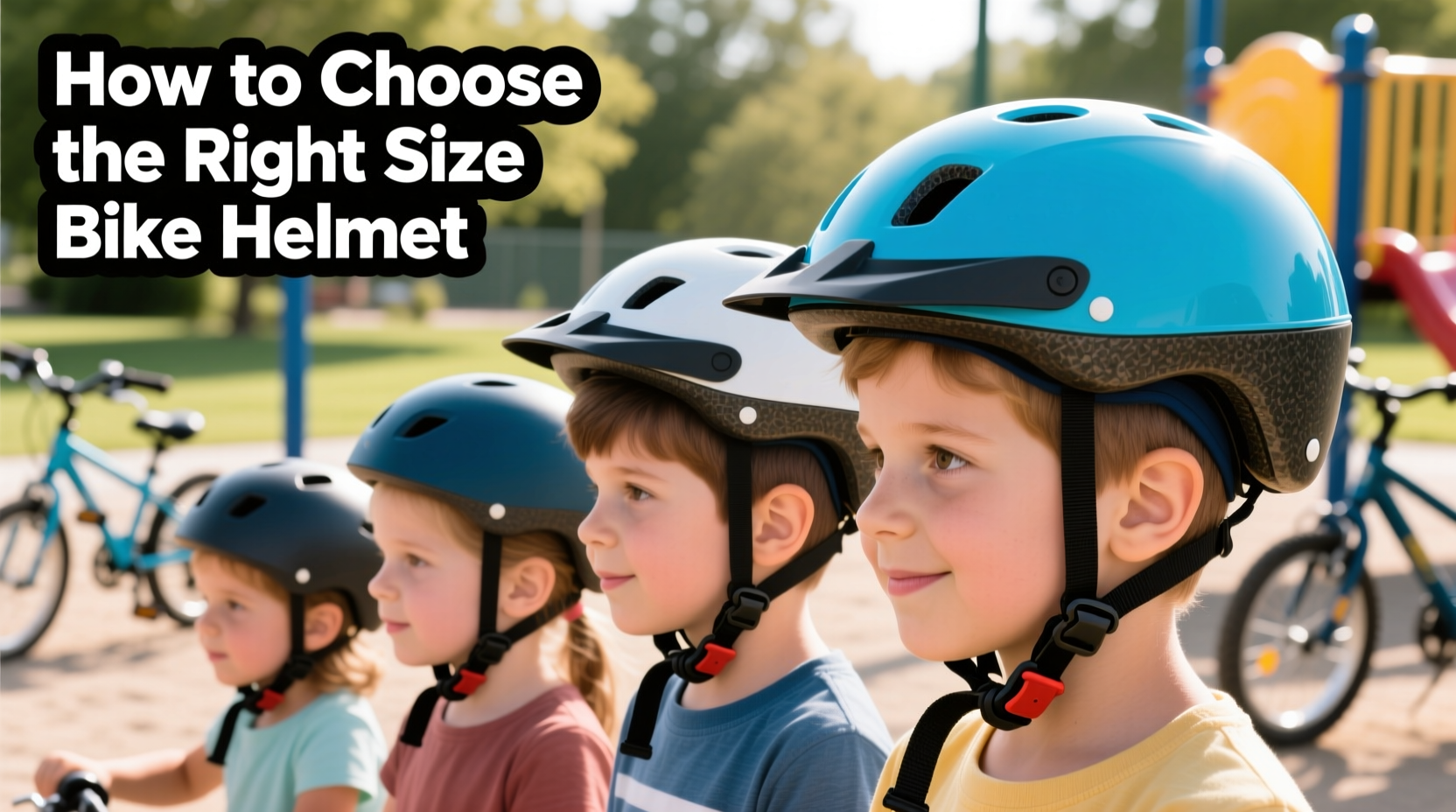
Children’s skulls are still developing, and their brains are more susceptible to injury from impact. According to the Centers for Disease Control and Prevention (CDC), bicycle-related injuries result in over 250,000 emergency room visits by children annually in the U.S. alone. Of these, traumatic brain injuries account for a significant portion—and many could have been prevented with a correctly worn helmet.
A poorly fitting helmet may shift during a crash, exposing vulnerable areas like the forehead or back of the skull. One that's too large can slide over the eyes or come off completely upon impact. Conversely, a helmet that's too small creates pressure points, discourages consistent use, and fails to absorb shock effectively due to improper internal padding contact.
“Helmets reduce the risk of head injury by at least 45%, serious brain injury by 53%, and facial injury by 27%—but only when they’re properly fitted.” — Dr. Benjamin E. Smith, Pediatric Trauma Specialist
The key takeaway: buying any helmet isn't enough. You must ensure it fits *right now* and adapts as your child grows.
Step-by-Step Guide to Measuring and Fitting a Kids’ Bike Helmet
Finding the correct helmet size follows a simple process, but each step is crucial. Follow this timeline to get it right the first time:
- Measure Head Circumference: Use a soft tape measure and wrap it around the child’s head, just above the eyebrows and ears, circling the widest part at the back of the skull. Record the measurement in centimeters or inches.
- Select Size Based on Manufacturer Chart: Check the sizing chart provided by the helmet brand. Most manufacturers categorize youth helmets into Small (48–52 cm), Medium (52–56 cm), and Large (56–59 cm). Note: Sizing varies slightly between brands.
- Try the Helmet On: Place the helmet low on the forehead—no more than one to two finger-widths above the eyebrows. It should not tilt forward or backward.
- Adjust the Fit System: Many helmets include an adjustable dial or snap-fit system at the rear. Tighten until the helmet grips snugly all around, with no gaps or pressure spots.
- Secure the Straps: Position Y-shaped straps to form a “V” under each ear. Adjust so the strap lies flat and doesn’t twist.
- Fasten the Chin Strap: Buckle the chin clip so it sits snugly under the chin. You should be able to fit only one finger between the strap and skin—any looser, and the helmet may lift off; any tighter, and it becomes uncomfortable.
- Test for Stability: Gently try to move the helmet side-to-side and front-to-back. It should stay firmly in place without shifting. Ask the child to open their mouth wide—the helmet should pull down slightly, confirming correct tension.
Helmet Size & Age Guidelines: What to Expect as Kids Grow
Kids grow quickly, and so do their heads. While age provides a general reference, actual head size determines helmet fit. Below is a practical comparison table based on average growth patterns and manufacturer standards:
| Age Range | Average Head Circumference | Typical Helmet Size | Recommended Features |
|---|---|---|---|
| 2–4 years | 48–52 cm | Small (Toddler/Youth) | Extended rear coverage, breakaway straps, fun designs |
| 5–8 years | 52–56 cm | Medium (Youth) | Adjustable dial fit, ventilation, UV protection coating |
| 9–12 years | 56–58 cm | Large (Youth/Adult Small) | Lightweight materials, aerodynamic shape, removable liners |
Note: Some toddlers may need infant-specific models with additional neck support, while preteens might transition into adult small sizes depending on growth. Never assume a helmet will “grow with” the child beyond one size increment.
Common Mistakes Parents Make When Fitting Kids’ Helmets
Even well-intentioned parents can make errors that compromise safety. Here are frequent missteps and how to avoid them:
- Wearing the helmet too far back: This leaves the forehead exposed. The front edge should sit one to two fingers above the eyebrows.
- Loose straps: Loose side or chin straps allow the helmet to wobble or fly off. Retest strap tightness monthly.
- Using hand-me-down helmets after a crash: Even if damage isn’t visible, internal foam can be compromised. Replace after any impact.
- Ignoring wear-and-tear signs: Cracks, frayed straps, or faded padding reduce effectiveness. Inspect helmets every few months.
- Letting kids ride with hoods or thick hats underneath: These create uneven pressure and lift the helmet off the head. Use only thin skull caps designed for helmet use.
Checklist: Is Your Child’s Helmet Properly Fitted?
Use this quick-reference checklist before every ride to confirm optimal safety:
- ✅ Helmet sits level on the head, not tilted back or forward
- ✅ Front edge is no more than two fingers above the eyebrows
- ✅ Head is snug with no gaps between scalp and padding
- ✅ Side straps form a “V” under each earlobe
- ✅ Chin strap is fastened and allows only one finger underneath
- ✅ Helmet does not move side-to-side or up-and-down when pushed gently
- ✅ No visible cracks, fraying, or worn-out interior foam
- ✅ Child can see clearly and breathe comfortably while wearing it
This checklist should become second nature. Posting it on the fridge or garage wall can help caregivers and older siblings perform quick safety checks.
Real-Life Example: How a Proper Fit Prevented Injury
Six-year-old Mia was riding her bike down a slight hill when she hit a curb and fell forward, tumbling onto the sidewalk. Her father, who had recently re-fitted her helmet using the one-finger chin test and ensured the front sat low on her forehead, rushed over. Though shaken, Mia was unharmed—except for scrapes on her knees. The helmet showed a visible crack along the front left side, exactly where she’d impacted the pavement.
Her pediatrician later confirmed that the helmet absorbed the brunt of the force. “The positioning was perfect,” he said. “If it had been higher on her head, we might have seen a concussion.” Mia’s parents replaced the helmet immediately, but kept the cracked one as a reminder of how vital fit is—even on short, familiar rides.
When to Replace a Child’s Bike Helmet
A helmet has a limited lifespan, even without accidents. Over time, UV exposure, sweat, and normal wear degrade materials. Here are clear signals it’s time for a new one:
- After any fall or collision involving head impact
- If the child has outgrown it (you can fit more than two fingers between the head and helmet)
- Visible cracks, dents, or peeling outer shell
- Frayed, stiff, or stretched straps that won’t tighten securely
- Interior padding that’s compressed, missing, or falling apart
- Helmets older than 5 years, regardless of appearance
Manufacturers recommend replacing helmets every 3–5 years under regular use. If you're unsure, consult the brand’s customer service with the model and purchase date.
Frequently Asked Questions
Can I use a secondhand helmet for my child?
Only if you know its full history—never use a secondhand helmet unless you can confirm it has never been in a crash, is within 3 years of manufacture, and meets current safety standards (CPSC, ASTM, or EN 1078). Hidden damage is common and dangerous.
What if my child refuses to wear the helmet?
Make it part of the routine, like buckling a seatbelt. Let them choose the color or character design. Practice wearing it indoors during playtime. Praise consistent use. Avoid negotiation—frame helmet use as non-negotiable for riding.
Do baby bike seats require helmets for infants?
Yes. Once a child can support their own head (typically around 9–12 months), they should wear a properly fitted helmet when riding in a bike seat. Use infant-specific models with extra rear protection and lightweight shells.
Final Thoughts: Safety Starts with the Right Fit
Choosing the right size bike helmet for a child goes beyond measurements—it’s about commitment to ongoing safety. A helmet that fits well today might not tomorrow. Growth spurts, changes in hairstyle, and wear on straps all influence performance. Regular checks, honest assessments, and willingness to replace outdated gear are essential habits for responsible parenting.
Remember, no helmet can guarantee absolute protection. But one that’s correctly sized, properly adjusted, and consistently worn dramatically reduces the risk of life-altering injury. That peace of mind is worth every minute spent getting it right.
💬 Did you recently fit a helmet for your child? Share your experience or tips in the comments below—your insight could help another parent keep their kid safer on two wheels.








