Cycling is one of the most enjoyable and healthy activities for children. It builds confidence, improves coordination, and encourages outdoor play. But without the right safety gear, even a simple ride can turn dangerous. The single most important piece of equipment? A properly fitted bike helmet. While many parents assume that any helmet will do, the reality is that an ill-fitting helmet offers little protection in a fall or collision. Choosing the right size isn’t just about measurements—it’s about ensuring your child’s safety, comfort, and willingness to wear it every time they hop on their bike.
Why Proper Helmet Fit Matters More Than You Think
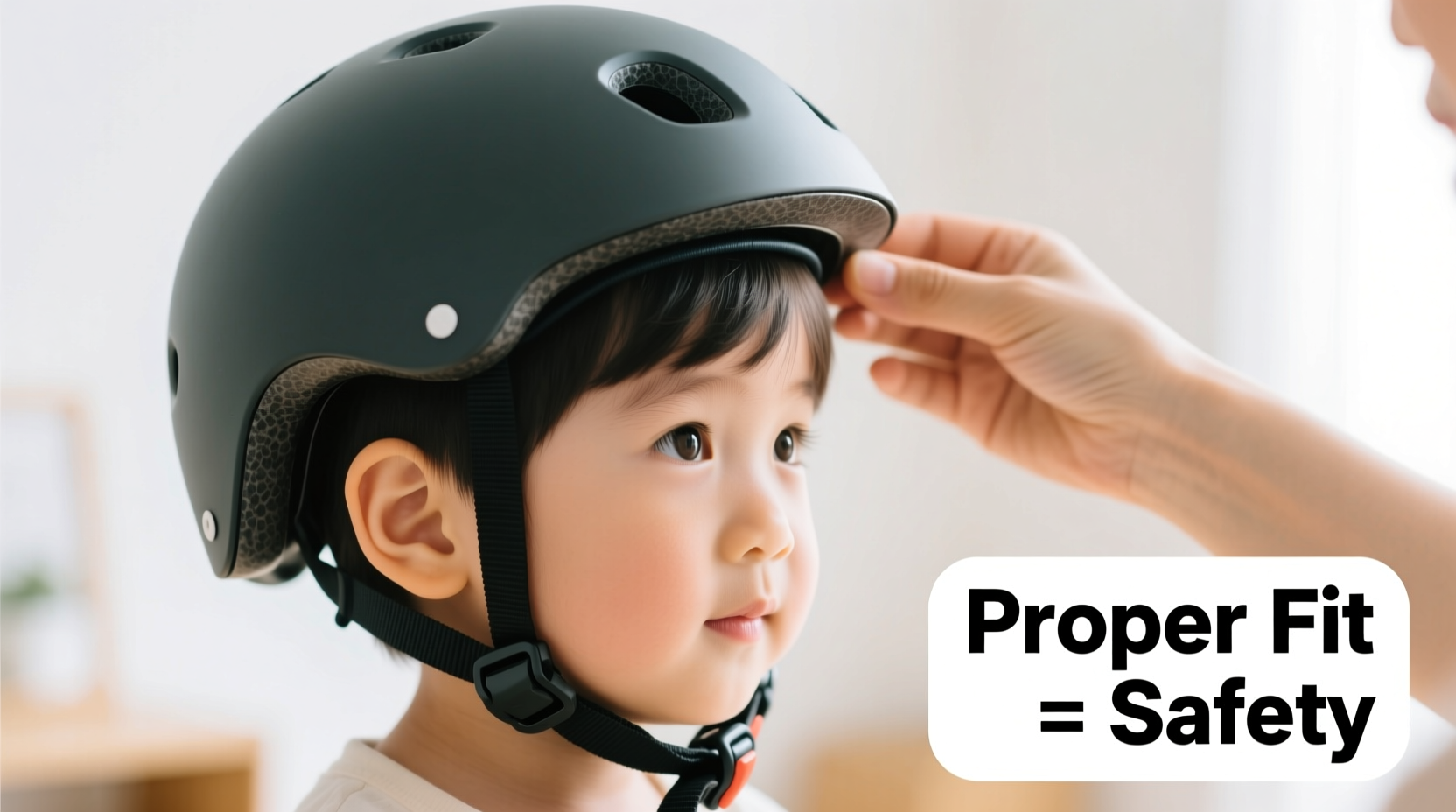
A helmet only works when it stays in place during impact. If it's too loose, it can shift or fly off during a crash. If it's too tight, children may refuse to wear it, defeating the purpose entirely. According to the National Highway Traffic Safety Administration (NHTSA), helmets reduce the risk of head injury by up to 85%. However, this protection depends entirely on correct sizing and adjustment.
Children’s heads grow rapidly between ages 3 and 10, making regular fit checks essential. A helmet that fits perfectly today might be too small in six months. Beyond safety, comfort plays a major role in consistent use. A child who feels pinching, pressure, or overheating is likely to take the helmet off mid-ride—especially when unsupervised.
“Helmets save lives, but only if they’re worn correctly. A helmet that doesn’t fit properly is like a seatbelt that slips off during a crash—it simply won’t protect.” — Dr. Linda Peterson, Pediatric Trauma Specialist
Step-by-Step Guide: How to Measure and Fit a Kids’ Bike Helmet
Finding the right size involves more than just measuring head circumference. Follow these steps to ensure optimal fit and function:
- Measure Head Circumference: Use a soft tape measure and wrap it around the child’s head, just above the eyebrows and ears, circling the widest part at the back. Record the measurement in centimeters or inches.
- Check Manufacturer Sizing Charts: Different brands have slightly different sizing. Refer to the chart provided by the helmet manufacturer. Most kids’ helmets range from 48–56 cm (small) to 52–58 cm (medium/large).
- Try the Helmet On: Place the helmet flat on the head, not tilted back. It should sit low on the forehead—no more than one to two finger widths above the eyebrows.
- Adjust the Fit System: Many helmets feature an adjustable dial at the back. Tighten it until the helmet grips snugly but comfortably around the skull.
- Secure the Straps: Position the Y-shaped straps so they meet just below each ear. They should form a “V” under the earlobe.
- Fasten the Chin Strap: Buckle the chin strap and tighten it so only one finger fits between the strap and the chin. The helmet should not move side to side or front to back when gently shaken.
- Test for Stability: Have your child open their mouth wide. The helmet should pull down slightly. If it doesn’t, the straps are too loose.
Key Features to Look for in a Kids’ Helmet
Beyond size, several design elements affect both safety and comfort. When shopping, consider the following features:
- CPSC Certification: In the U.S., all bike helmets must meet safety standards set by the Consumer Product Safety Commission. Look for the CPSC sticker inside the helmet.
- Ventilation: Well-placed vents help regulate temperature, reducing sweat and fogging, especially on hot days.
- Weight: Lightweight materials reduce neck strain, making it easier for younger riders to keep their heads up.
- Adjustable Fit System: Helmets with rear dials allow for fine-tuning as your child grows.
- Soft Padding: Removable, washable liners improve hygiene and comfort over time.
- Brightness and Reflectivity: Bright colors and reflective strips increase visibility, especially during early morning or evening rides.
| Feature | Why It Matters | Recommended Option |
|---|---|---|
| Head Circumference Range | Ensures compatibility with your child’s head size | Match exact measurement to brand chart |
| Adjustable Dial | Extends usable life as head grows | Yes – preferred for ages 4–9 |
| Vent Count | Improves airflow and comfort | 8–12 vents ideal for warm climates |
| Strap Adjusters | Allows precise tightening without bulk | Slide adjusters near ears |
| Weight | Affects balance and comfort | Under 300g for children under 10 |
Common Fitting Mistakes Parents Make
Even with good intentions, many parents unknowingly compromise helmet effectiveness. Watch out for these common errors:
- Helmet Tilted Back: One of the most frequent issues. A helmet worn too far back leaves the forehead exposed and reduces protection by up to 50% in frontal impacts.
- Loose Chin Strap: Allows the helmet to come off during a fall. If you can fit two fingers under the strap, it’s too loose.
- Ignoring Growth Spurts: Children can grow half a centimeter in a few months. Recheck fit every 2–3 months.
- Using Hand-Me-Down Helmets: Older helmets may have hidden cracks or outdated safety standards. Never use a helmet that’s been in a crash—even if damage isn’t visible.
- Wearing Hats or Hoodies Underneath: Adds bulk and lifts the helmet off the head, compromising fit and protection.
Real Example: The Johnson Family’s Helmet Wake-Up Call
The Johnsons bought a helmet for their 6-year-old son, Max, when he received his first two-wheeler. Excited to ride, Max wore it proudly—but often complained it was “itchy” and “slipped down.” After a minor fall during a neighborhood ride, the helmet came off completely upon impact. Fortunately, Max escaped with just scrapes, but the incident prompted his parents to reevaluate the fit.
They discovered the helmet was one size too large and the straps were improperly adjusted. The chin strap allowed too much movement, and the helmet sat too high on Max’s forehead. They returned the helmet, remeasured Max’s head, and selected a smaller model with an adjustable dial. After proper fitting, Max reported it felt “lighter and didn’t bother my eyes.” Now, he wears it without complaint—and his parents sleep easier knowing he’s truly protected.
Safety Checklist: Before Every Ride
Making helmet checks routine ensures consistent protection. Use this checklist before each ride:
- ✅ Helmet sits level on the head, covering the forehead
- ✅ Straps form a “Y” under each ear
- ✅ Chin strap is snug—one finger fits between strap and skin
- ✅ No visible cracks, dents, or frayed straps
- ✅ Helmet doesn’t move when gently pushed side to side or forward
- ✅ Child can see clearly and hear well while wearing it
- ✅ Helmet is clean and dry (sweat buildup can degrade padding)
FAQ: Common Questions About Kids’ Helmet Sizing
How often should I replace my child’s bike helmet?
Replace a helmet every 3–5 years, even if it appears undamaged. Over time, UV exposure, sweat, and normal wear weaken materials. Also replace immediately after any crash—even a minor one—as internal foam may be compromised.
Can I use a skateboard helmet for biking?
Skateboard helmets are designed for multiple low-speed impacts and cover more of the back of the head. Some are multi-sport certified (CPSC for biking), but always check the label. For dedicated cycling, a bike-specific helmet is recommended.
My child hates wearing a helmet. What can I do?
Involve them in the selection process. Let them pick a color or design they love. Try helmets with fun decals or character themes. Practice wearing it during non-riding activities to build familiarity. Praise consistent use—positive reinforcement works better than punishment.
Final Thoughts: Safety Starts With the Right Fit
Choosing the right size bike helmet for your child isn’t a one-time task—it’s an ongoing commitment to their safety. A helmet that fits well does more than meet safety standards; it gives your child the confidence to ride freely, knowing they’re protected. Comfort encourages compliance, and consistency builds lifelong habits.
Take the time to measure accurately, adjust carefully, and inspect regularly. Don’t guess, don’t rush, and never compromise on fit. Your child’s brain is their most valuable asset—protect it with care, precision, and attention to detail.
💬 Your child’s safety matters—share this guide with other parents, teachers, or coaches to spread awareness. Have a helmet tip or story to share? Leave a comment below and help build a safer cycling community for kids everywhere.








