
Long-distance running is as much a test of endurance as it is of preparation. While runners often focus on shoes, hydration, and training plans, one small but critical detail can make or break a run: the sock. Blisters—those painful, fluid-filled bubbles caused by friction, moisture, and pressure—are among the most common complaints for marathoners, trail runners, and weekend warriors alike. The good news? Many are preventable with the right running sock.
Choosing the ideal sock isn’t just about comfort—it’s about engineering. Modern performance socks use advanced materials, targeted cushioning, and anatomical shaping to reduce shear forces, wick moisture, and protect high-friction zones like heels and toes. Understanding what to look for can save you miles of agony and help you finish strong.
Why Blisters Happen During Long Runs
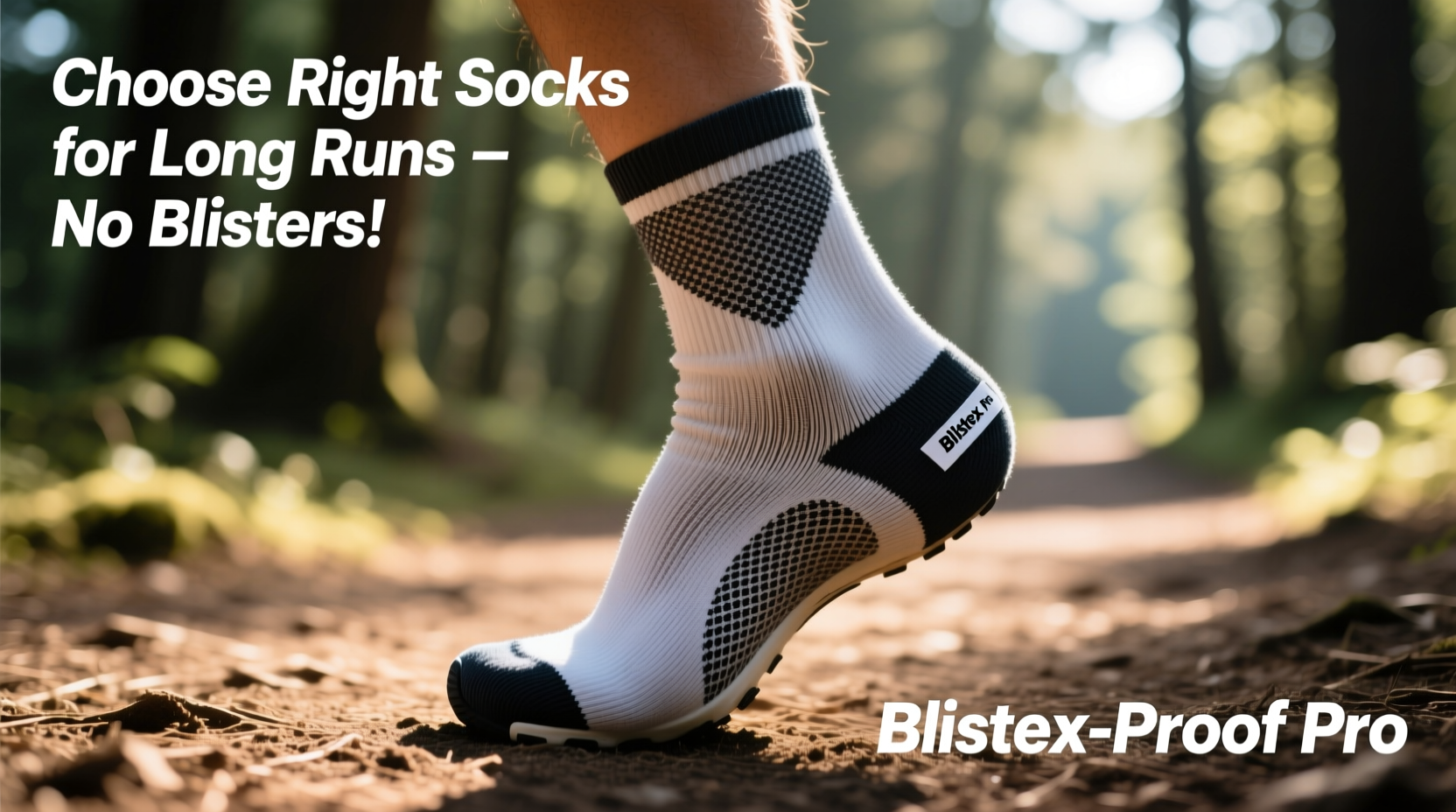
Blisters form when skin layers separate due to repeated rubbing, trapping fluid between them. In runners, this typically occurs in areas where the foot moves excessively inside the shoe—especially during long runs when fatigue sets in, swelling increases, and sweat accumulates.
The primary causes include:
- Friction: Constant rubbing from ill-fitting shoes or socks that slip.
- Moisture: Sweat softens the skin, making it more vulnerable to tearing.
- Heat: Increased temperature raises skin sensitivity and perspiration.
- Poor fit: Socks that bunch, wrinkle, or slide create hotspots.
A study published in the Clinical Journal of Sport Medicine found that over 30% of marathon participants reported blister-related issues, with many citing improper sock choice as a contributing factor. Prevention starts long before race day—with thoughtful selection.
Tip: Never wear new socks on race day. Test them thoroughly during training to identify any irritation early.Key Features of Blister-Preventing Running Socks
Not all socks are created equal. A cotton gym sock might feel soft at first, but it holds moisture and breaks down under stress. Performance running socks are engineered with specific features to combat blister formation.
1. Moisture-Wicking Materials
The best socks use synthetic or natural technical fibers that pull sweat away from the skin. Common materials include:
- Merkel Wool (e.g., Merino): Naturally wicks moisture, resists odor, and regulates temperature—even when wet.
- Polyester & Nylon: Lightweight, durable, and highly effective at moving moisture outward.
- Acrylic: Often used in blend for warmth and moisture management without absorbing water.
Avoid 100% cotton—it absorbs sweat like a sponge, stays wet, and amplifies friction.
2. Seamless Construction
Seams, especially across the toes, are notorious for creating pressure points. High-end running socks use flat-knit or seamless toe closures to eliminate ridges that rub during repetitive motion.
3. Targeted Cushioning
Different parts of the foot endure different levels of impact. Look for socks with strategic padding:
- Extra cushioning in the heel and ball of the foot for shock absorption.
- Lighter zones on the top of the foot to avoid overheating.
- Reinforced areas in high-wear zones without adding bulk.
4. Compression and Fit
Socks that fit snugly—without constriction—stay in place and reduce internal foot movement. Many performance models offer light compression around the arch to stabilize the foot and minimize slippage.
5. Ventilation Zones
Mesh panels or open-knit sections increase airflow, helping regulate temperature and further reduce moisture buildup.
“Blisters aren’t inevitable. They’re usually the result of poor interface between foot, sock, and shoe. The right sock acts like a protective second skin.” — Dr. Laura Chen, Sports Podiatrist and Ultramarathon Medical Consultant
How to Match Socks to Your Run Type
Your ideal sock depends on terrain, distance, weather, and personal physiology. Here’s how to match your choice to your run:
| Run Type | Recommended Sock Features | Material Suggestions |
|---|---|---|
| Road Marathon (warm weather) | Lightweight, seamless, high ventilation | Merino wool blend, polyester |
| Trail Run (rugged terrain) | Medium cushioning, reinforced heel/toe, snug fit | Nylon-merino blend, abrasion-resistant fibers |
| Ultra-Distance (6+ hours) | Double-layer, moderate cushion, anti-odor properties | Merino-acrylic-polyester blend |
| Cold Weather Long Run | Thermal insulation, moisture-wicking, no bulk | Merino wool (200gsm+), thermal synthetics |
| Humidity-Prone Environment | Maximum wicking, quick-dry, antimicrobial | Polyester with silver-ion treatment |
Step-by-Step Guide: Choosing Your Ideal Running Sock
Selecting the right sock involves more than grabbing the softest pair off the shelf. Follow this process to make an informed decision:
- Assess Your Foot Profile: Do you have wide feet, high arches, or prone-to-sweat tendencies? These affect sock fit and material needs.
- Identify Your Primary Run Conditions: Heat, humidity, trail roughness, and duration determine key features.
- Check Shoe Compatibility: Try socks with your regular running shoes. There should be no crowding or extra space.
- Test Material Sensitivity: Some runners react to certain synthetics. Merino is generally hypoallergenic and gentle.
- Look for Anatomical Design: Left/right specific socks conform better and reduce wrinkles.
- Read User Reviews: Focus on feedback about blister prevention, durability, and moisture control.
- Train With Them First: Wear new socks on shorter runs before committing to long distances.
This method ensures you’re not just buying a sock—you’re investing in foot resilience.
Real Example: From Repeated Blisters to Boston Qualifier
Mark T., a 38-year-old runner from Colorado, struggled with recurring heel blisters during his half-marathon training. Despite using quality shoes and changing lacing techniques, he consistently developed painful hotspots by mile 8.
After consulting a running specialist, he discovered two issues: he was wearing thin cotton-blend socks, and his socks were slightly too large, causing micro-sliding with each stride.
He switched to a merino-nylon blend with seamless construction and a precise anatomical fit. He also began double-layering on longer runs (a technique used by some ultrarunners) by wearing a thin liner sock underneath a cushioned outer sock to eliminate skin-on-sock friction.
The result? No blisters during his next 20-mile training run—and he went on to qualify for the Boston Marathon. “I underestimated how much difference a $15 sock could make,” Mark said. “Now I treat them like part of my injury prevention plan.”
Do’s and Don’ts: Running Sock Edition
| Do | Don’t |
|---|---|
| Choose moisture-wicking technical fabrics | Wear 100% cotton socks |
| Opt for seamless or flat-toe designs | Ignore toe seams that rub |
| Ensure a snug, anatomical fit | Use oversized socks that wrinkle |
| Match sock thickness to shoe fit | Add thick socks to already tight shoes |
| Replace socks every 300–500 miles | Keep using worn, stretched-out socks |
Frequently Asked Questions
Can double-layer socks really prevent blisters?
Yes. Double-layer socks work by creating an interface where friction occurs between the two layers, not between the sock and your skin. This design is especially effective for runners with a history of blisters. Brands like WrightSock have built their reputation on this technology, and numerous runners report significant reduction in hotspots.
Should I size up or down in running socks?
You should stick to your exact foot size. Sizing up leads to bunching and internal movement; sizing down causes constriction and pressure points. Most performance brands offer detailed sizing charts—measure your foot length and width if unsure. Remember: a proper fit feels snug but not tight, with no slipping at the heel.
Are expensive socks worth it?
For long-distance runners, yes. A $12–$18 performance sock may cost more than a pack of cotton ones, but it lasts longer, prevents injuries, and enhances comfort over hundreds of miles. Think of it as preventive healthcare for your feet. Many runners find they go through fewer pairs per year because quality socks resist wear and maintain integrity.
Checklist: Picking Blisters-Proof Running Socks
- ✅ Made from moisture-wicking material (no cotton)
- ✅ Seamless or flat-knit toe closure
- ✅ Snug, anatomical fit (left/right specific if possible)
- ✅ Appropriate cushioning level for your run type
- ✅ Ventilation zones in high-heat areas
- ✅ Compatible with your current running shoes
- ✅ Tested on a short run before long-distance use
- ✅ Replaced every 300–500 miles or when fabric loses shape
“The foot is the foundation of running efficiency. Protect it not just with shoes, but with intelligent layering. The sock is the unsung hero of blister prevention.” — Coach Javier Mendez, Elite Distance Running Trainer
Final Thoughts: Treat Your Feet Like Athletes
Your feet endure thousands of impacts with every long run. They deserve more than afterthought protection. By choosing the right running sock—one that manages moisture, fits precisely, and reduces friction—you dramatically lower your risk of blisters and improve overall performance.
It’s not about luxury. It’s about function. The best sock disappears on your foot, doing its job without notice until you realize, mile after mile, that your feet feel as fresh as they did at the start.
Start today: audit your current sock drawer. Replace cotton pairs. Invest in two high-quality performance options tailored to your most common run conditions. Train in them. Trust them. Then head out knowing one less thing can go wrong when it matters most.
🚀 Ready to run farther, smoother, and blister-free? Upgrade your sock game now—your feet will thank you at mile 20.








