Selecting the correct hiking backpack is one of the most critical decisions a hiker can make. A poorly sized pack can turn even the most scenic trail into a painful ordeal. While features like hip belt padding, ventilation, and external attachment points matter, none outweigh the importance of choosing the right volume—measured in liters—for your trip’s duration. Backpack size directly influences weight distribution, mobility, and overall comfort. Too small, and you’ll lack essentials; too large, and you’ll be tempted to overpack, adding unnecessary strain. The key lies in aligning backpack capacity with the length of your hike, ensuring you carry only what you need without compromising safety or comfort.
Understanding Backpack Volume and Fit
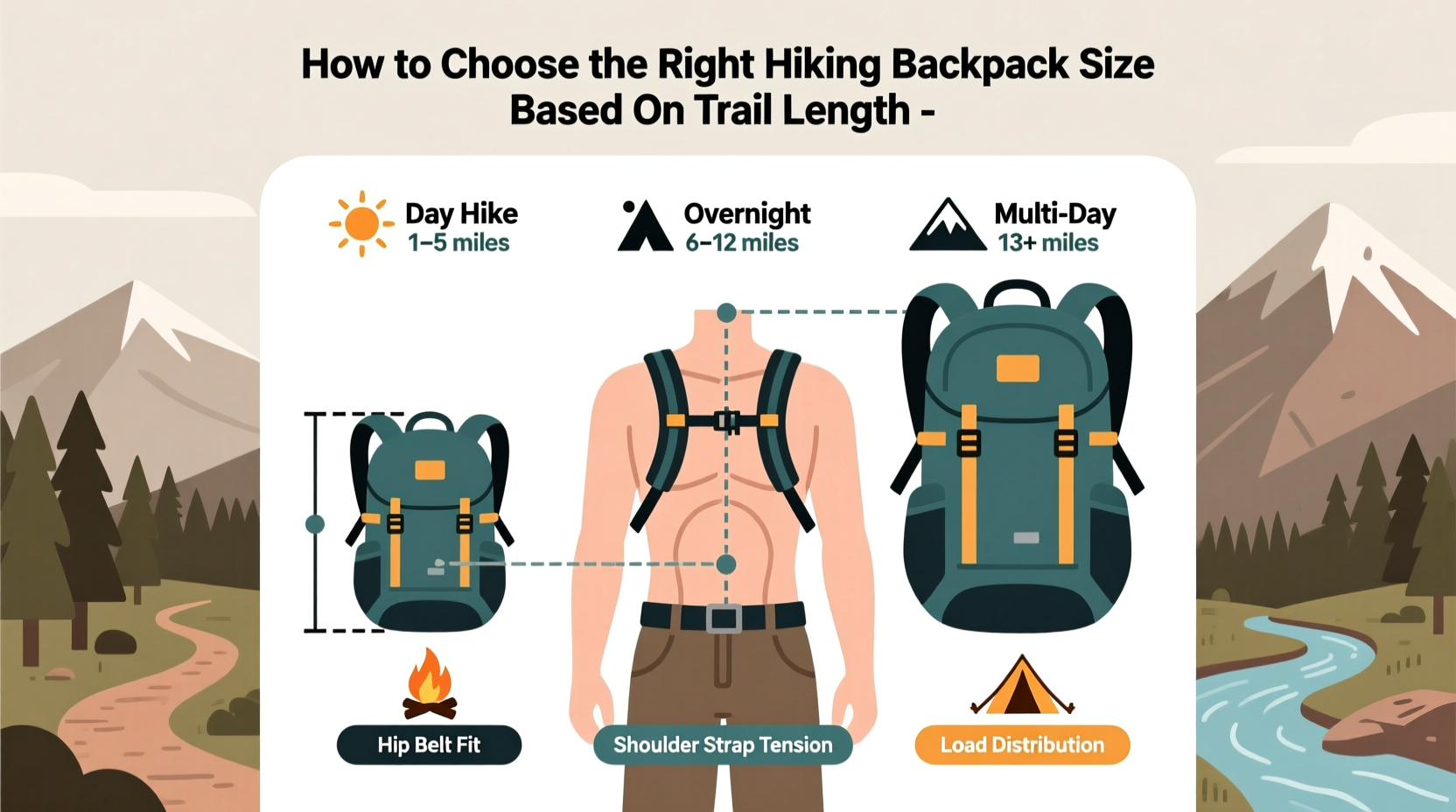
Backpack size is typically measured in cubic liters (L), indicating total storage capacity. However, volume alone doesn’t guarantee a good fit. Two packs of the same liter size may carry differently due to torso length compatibility, frame design, and hip belt structure. Most manufacturers offer packs in multiple torso sizes (short, regular, long) and some even provide adjustable suspension systems. A well-fitted backpack transfers up to 80% of its weight to the hips via a supportive hip belt, reducing shoulder fatigue. Always prioritize proper fit over raw capacity. Measure your torso length from the base of your neck (C7 vertebra) to the top of your hip bones (iliac crest) before selecting a model. This ensures the load rides close to your center of gravity, improving balance on uneven terrain.
Tip: Try on backpacks with at least 10–15 pounds inside to simulate real trail conditions and assess weight transfer.Matching Backpack Size to Trip Duration
The length of your hike is the primary factor in determining backpack size. Day hikes require minimal gear, while extended backcountry trips demand space for food, shelter, and clothing. Below is a general guideline linking trail duration to recommended backpack volume:
| Trip Length | Recommended Pack Size (Liters) | Typical Gear Load |
|---|---|---|
| Day Hike (under 12 hours) | 15–25L | Water, snacks, rain jacket, first aid kit, map |
| Overnight (1–2 nights) | 35–50L | Sleeping bag, lightweight tent, cooking system, extra clothes |
| Weekend (2–3 nights) | 50–65L | Full camping setup, more food, warmer layers |
| Multi-day (4–7 days) | 65–80L | Extended food supply, bear canister, repair kit, hygiene items |
| Thru-hike (7+ days, resupply planned) | 55–70L | Ultralight gear, compact shelter, high-efficiency stove |
Note that thru-hikers often use smaller packs despite longer durations because they rely on frequent resupply points and minimalist gear. In contrast, remote wilderness treks with no access to supplies may require larger volumes even for shorter stretches if weather demands bulky equipment.
Step-by-Step Guide to Selecting Your Pack
Follow this sequence to ensure you choose the optimal backpack size for your next adventure:
- Determine trip length and destination. Is it a single-day outing or a week-long trek through alpine terrain? Conditions affect gear needs—cold climates require bulkier sleeping bags and clothing.
- List essential gear. Write down everything you plan to carry. Weigh each item. Total pack weight should ideally stay under 20% of your body weight.
- Estimate volume needs. Use the table above as a starting point, then adjust based on your gear list. For example, a roomy down jacket or wide-format sleeping pad adds bulk.
- Test fit in-store or at home. If buying online, check return policies. Wear the pack with a weighted load and walk around. The hip belt should sit snugly on your iliac crests, not your stomach.
- Adjust load positioning. Once packed, ensure heavier items (food, stove) are centered and close to your back. This maintains stability and reduces sway.
Common Mistakes and How to Avoid Them
Even experienced hikers misjudge backpack size. One common error is choosing a larger pack “for flexibility.” But oversized packs encourage overpacking, leading to poor posture and joint strain. Another mistake is ignoring torso length. A 70L pack designed for a 20-inch torso will fit poorly on someone with a 16-inch torso, causing pressure points and inefficient weight transfer. Some hikers also overlook seasonal differences—a summer 3-season setup might fit in 50L, but winter expeditions with insulated boots, gloves, and thermal layers may require 70L or more.
Compression straps help manage underfilled packs, but they can’t compensate for fundamental fit issues. Similarly, external frames allow greater load capacity but add weight and complexity, making them less ideal for fast-moving trails. Internal-frame packs dominate modern hiking due to their streamlined profile and better agility on technical routes.
“Your backpack should feel like an extension of your body—not a burden strapped to your spine.” — Dr. Lena Torres, Outdoor Ergonomics Researcher, University of Colorado
Real-World Example: Choosing for the John Muir Trail
Consider Sarah, an experienced hiker planning a 6-day solo trek along California’s John Muir Trail. She intends to resupply once at Vermilion Valley Resort, so she must carry six days of food plus emergency rations. Her gear includes a 15-degree sleeping bag, ultralight tent, insulated sleeping pad, water filter, bear canister, and layered clothing for variable mountain weather. After listing all items, her base weight (excluding food and water) totals 18 pounds. With five days’ worth of food (~1.5 lbs/day), her loaded pack will weigh about 25–26 pounds.
She initially considers a 75L pack for comfort, but after testing, realizes it sags and shifts during steep ascents. Instead, she opts for a 65L model with a customizable suspension system. By compressing her sleeping bag and using vacuum sacks for clothes, she fits everything efficiently. On the trail, she reports improved endurance and fewer hot spots compared to previous hikes with oversized packs. Her decision demonstrates that matching pack volume to actual needs—not hypothetical ones—leads to better performance.
Checklist: Choosing the Right Hiking Backpack
- ✔ Determine trip duration and environmental conditions
- ✔ Measure your torso length accurately
- ✔ List all required gear and estimate total packed weight
- ✔ Select a liter range based on trip length (use reference table)
- ✔ Prioritize proper fit: hip belt on hips, shoulder straps contouring shoulders
- ✔ Test the pack with a realistic load before committing
- ✔ Check for accessible compartments (hydration sleeve, quick-access pockets)
- ✔ Ensure durability: look for reinforced stitching and high-denier fabrics
- ✔ Confirm warranty and return policy if purchasing online
Frequently Asked Questions
Can I use a 50L backpack for a 3-night trip?
Yes, a 50L pack is often sufficient for a 3-night trip if you use compact, lightweight gear. Backpackers who adopt a minimalist approach—such as using a tarp instead of a tent or dehydrated meals—can comfortably fit essentials in this range. However, if you’re carrying bulky items like a self-inflating pad or winter clothing, consider upgrading to 60–65L.
Why do some thru-hikers use packs under 50L?
Long-distance hikers, such as those on the Appalachian Trail, often use sub-50L packs because they resupply frequently—at hostels, towns, or post offices—every few days. They also prioritize ultralight gear (e.g., alcohol stoves, quilt-style sleeping bags) and strict packing discipline. Smaller packs reduce fatigue over thousands of miles, making efficiency more important than sheer capacity.
What happens if my backpack is too big?
An oversized backpack leads to poor weight distribution, excessive sway, and increased fatigue. It also tempts overpacking, which adds unnecessary strain on joints and reduces agility. Even with compression straps, a half-empty large pack rarely rides as securely as a properly filled mid-volume one. Over time, this can contribute to lower back pain and shoulder injuries.
Final Considerations: Seasonality and Personal Preferences
Seasonal changes significantly impact pack size needs. A spring hike in moderate temperatures may require only a light rain shell and synthetic sleeping bag, fitting easily into 45L. But a fall trek in the Rockies demands insulated pants, a balaclava, and a zero-degree sleeping bag—all of which increase bulk. Always adjust your pack choice based on expected conditions, not just duration.
Personal preferences also play a role. Some hikers prefer more space for comfort items like camp shoes or a book, while others embrace strict minimalism. Photographers may need extra room for lenses and batteries. The goal is honesty: know your habits and plan accordingly. If you tend to collect souvenirs or carry extra snacks, account for that in your volume selection.
“The best pack isn’t the biggest or fanciest—it’s the one that carries your exact load with balance, comfort, and ease.” — Mark Rivera, Lead Guide, Sierra Wilderness Expeditions
Conclusion
Choosing the right hiking backpack size based on trail length is both a practical and personal decision. It requires understanding your gear needs, respecting anatomical fit, and resisting the urge to overpack. Whether you're embarking on a sunrise day hike or a week-long journey through remote wilderness, the right pack makes all the difference in enjoyment, endurance, and safety. Use trip duration as your starting point, refine your choice with a detailed gear list, and always prioritize fit over features. When your backpack moves with you—not against you—you’re free to focus on the trail ahead, the views unfolding, and the quiet rhythm of footsteps on dirt.
💬 Ready to hit the trail with confidence? Reassess your current pack using the guidelines above and share your experience. What’s one thing you wish you’d known when choosing your first hiking backpack?








