For students, a reliable pen isn’t just a tool—it’s a daily companion through lectures, exams, and late-night study sessions. Among the growing favorites in classrooms across the country is the Stitch ballpoint pen, known for its sleek design, consistent ink flow, and surprisingly robust build. But not all pens labeled “Stitch” are created equal. Choosing the right one requires attention to detail, from tip size to grip comfort. The difference between a frustrating scribble and a seamless note-taking experience often comes down to informed selection.
With so many options available online and in stores, it's easy to overlook subtle differences that impact long-term usability. This guide breaks down exactly what to look for when selecting your ideal Stitch ballpoint pen—balancing smoothness, durability, and value—so you can write confidently from first period to finals week.
Understanding the Stitch Ballpoint Pen: What Makes It Stand Out?
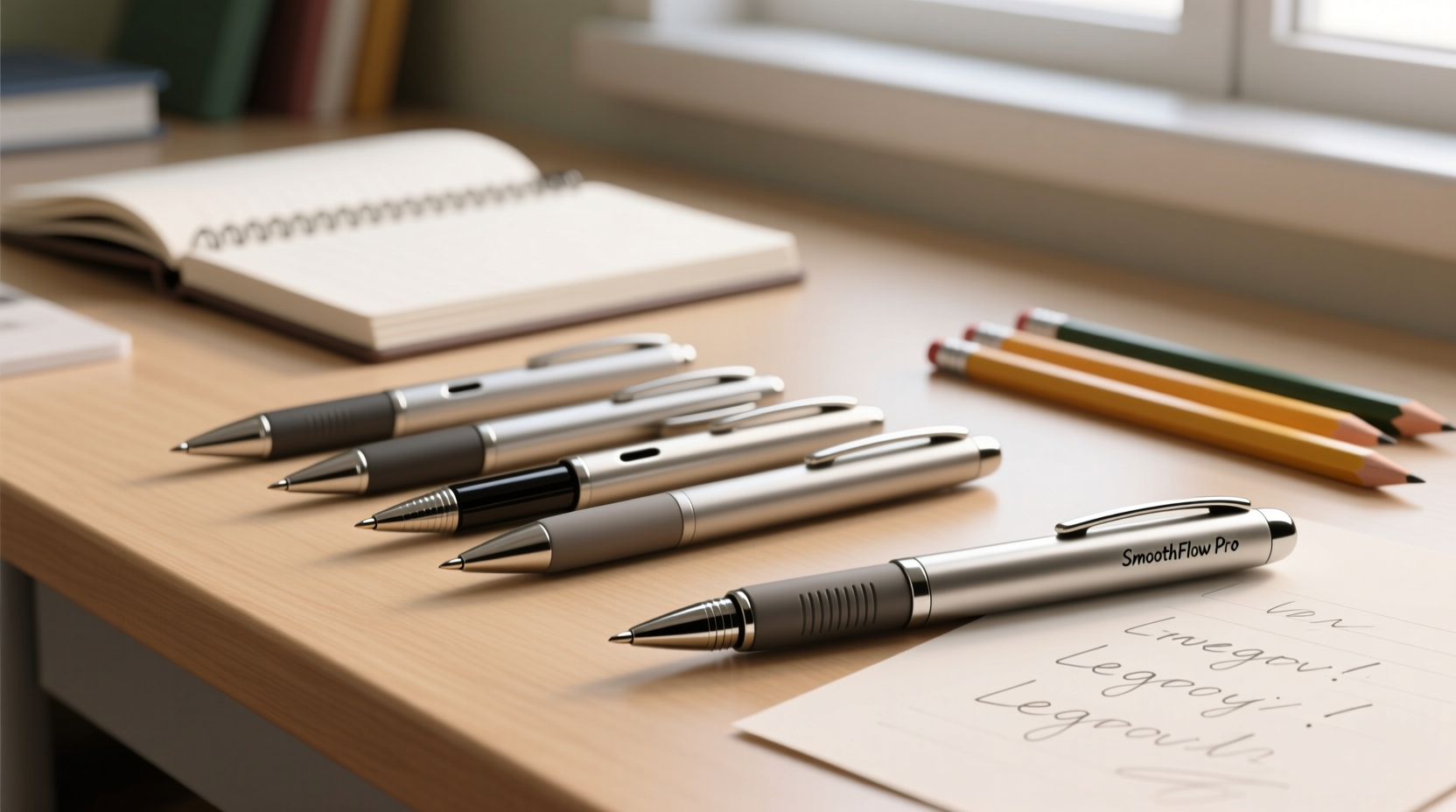
The Stitch brand has gained traction among students and professionals alike due to its minimalist aesthetic and functional engineering. Unlike generic disposable pens, Stitch models often feature metal barrels, precision tips, and refillable mechanisms designed to reduce waste and enhance performance.
At the core of its appeal is the emphasis on ergonomics and ink quality. Most Stitch ballpoint pens use viscous oil-based ink, which dries quickly and resists smudging—ideal for left-handed writers or those who tend to rest their hands on fresh notes. The ball mechanism rotates smoothly under pressure, delivering consistent lines without skipping or blobbing.
What sets Stitch apart from competitors like Bic or Pilot is the attention to tactile feedback. Many models include knurled metal grips, balanced weight distribution, and retractable click mechanisms that feel satisfyingly precise. These details may seem minor, but over hours of writing, they significantly reduce hand fatigue and improve control.
Tip: Look for Stitch pens labeled \"refillable\"—they last longer and are more eco-friendly than disposable versions.Key Features to Evaluate Before Buying
Selecting the best Stitch ballpoint pen means going beyond color or price. Focus on these critical features to ensure both comfort and longevity:
- Tip Size (Point Width): Available in fine (0.5mm), medium (0.7mm), and bold (1.0mm). Fine tips offer precision for small handwriting; bold tips produce more visible lines, ideal for quick annotations.
- Grip Design: Rubberized sleeves or textured metal provide better traction during extended writing. Avoid smooth plastic if you tend to grip tightly.
- Ink Type: Oil-based ink lasts longer and skips less than gel or water-based alternatives. Confirm it’s acid-free if you’re archiving notes.
- Barrel Material: Aluminum or stainless steel bodies resist cracking and add weight for steadier writing. Plastic-bodied versions are lighter but less durable.
- Refill Compatibility: Check whether replacements are widely available. Some Stitch pens use proprietary refills, while others accept universal Parker-style cartridges.
“Students who use well-balanced, ergonomic pens report up to 30% less hand strain after two-hour writing sessions.” — Dr. Lila Tran, Occupational Therapist & Academic Ergonomics Researcher
Comparison Table: Top Stitch Ballpoint Models for School Use
| Model | Tip Size | Grip Type | Material | Durability Rating | Best For |
|---|---|---|---|---|---|
| Stitch Classic Retractable | 0.7mm | Rubberized grip | Aluminum | ★★★★☆ | Everyday note-taking, exams |
| Stitch Pro Fine Line | 0.5mm | Knurled metal | Stainless steel | ★★★★★ | Precision writing, diagrams |
| Stitch EcoClick | 0.7mm | Silicone sleeve | Recycled aluminum | ★★★★☆ | Eco-conscious users, group projects |
| Stitch Mini Pocket | 0.6mm | Smooth metal | Brass | ★★★☆☆ | Carrying in bags, quick notes |
Step-by-Step Guide: How to Test a Stitch Pen Before Committing
Not every pen feels right out of the box. Follow this process to evaluate a Stitch ballpoint before making it your primary writing instrument:
- Hold It Naturally: Pick up the pen as you would during class. Does it rest comfortably in your fingers? There should be no need to adjust your grip drastically.
- Check the Weight: A heavier pen (30–40g) offers stability; too light (<20g) may feel flimsy. Too heavy (>50g) can cause fatigue.
- Write a Sample Paragraph: Use notebook paper similar to your school materials. Pay attention to ink consistency—no streaks, skips, or bleed-through.
- Test the Click Mechanism: If retractable, press the button 10 times. It should snap firmly each time without wobbling.
- Inspect the Tip: Under light, check for misalignment or burrs. A clean, centered ball ensures even ink distribution.
- Leave It Overnight: Store it uncapped on paper. Quality Stitch pens won’t leak or dry out prematurely.
Real-World Example: How One Student Upgraded Her Writing Experience
Maria, a sophomore majoring in biology, used to go through three disposable pens per week. She complained of cramping during lab reports and often had to rewrite messy notes. After researching alternatives, she switched to the Stitch Pro Fine Line model with a 0.5mm tip.
Within days, she noticed her handwriting became neater and faster. The knurled grip prevented slippage, even when her hands got warm during long dissections. Over a semester, she saved over $40 by not buying disposables and reduced clutter in her backpack. When asked what changed, she said, “I didn’t realize how much effort I was wasting fighting my pen until I stopped having to.”
Common Mistakes That Reduce Pen Longevity
Even high-quality Stitch pens can fail prematurely if mishandled. Avoid these pitfalls:
- Dropping the pen frequently: Impacts can misalign the tip or damage internal mechanisms.
- Leaving it uncapped: Exposes the ballpoint to dust and drying air. Always retract or cap when not in use.
- Pressing too hard: Ballpoints require minimal pressure. Heavy writing accelerates wear and causes ink clumping.
- Using near heat sources: High temperatures thin the ink, leading to leakage. Don’t leave it on car dashboards or radiators.
- Mixing refills: Using non-recommended ink tubes can clog the system or corrode internal parts.
FAQ: Frequently Asked Questions About Stitch Ballpoint Pens
Are Stitch ballpoint pens worth the higher price compared to disposables?
Yes, especially for frequent writers. While an individual Stitch pen costs more upfront, its durability and refillable design mean lower long-term spending. One pen body can last years with proper care, reducing both cost and environmental impact.
Can I use a Stitch pen for standardized tests like the SAT or ACT?
Most standardized testing guidelines accept black or blue ballpoint pens. Ensure your Stitch pen uses dark, smear-resistant ink and meets test center requirements. Avoid gel variants unless explicitly allowed.
How do I clean a clogged Stitch ballpoint tip?
Gently wipe the tip with a lint-free cloth dampened with rubbing alcohol. Roll it between your fingers to free debris. Avoid using pins or needles, which can scratch the ball socket and ruin alignment.
Final Checklist Before You Buy
- ☐ Decide on tip size based on your handwriting style
- ☐ Choose a grip material that suits your hand comfort
- ☐ Verify refill availability and type
- ☐ Test weight and balance in-store or via return policy
- ☐ Confirm ink color meets school or exam standards
- ☐ Opt for metal-bodied models for maximum durability
Conclusion: Make Every Word Flow Smoothly
The right pen doesn’t just write—it enhances focus, reduces physical strain, and supports academic performance in ways often underestimated. By choosing a Stitch ballpoint pen tailored to your needs, you invest in a tool that grows with you through semesters, projects, and deadlines. Prioritize build quality, ergonomic design, and tested reliability over aesthetics alone.
🚀 Ready to upgrade your writing gear? Try one recommended Stitch model this week and notice the difference in comfort and clarity. Share your experience in the comments below—your insight could help another student find their perfect pen.








