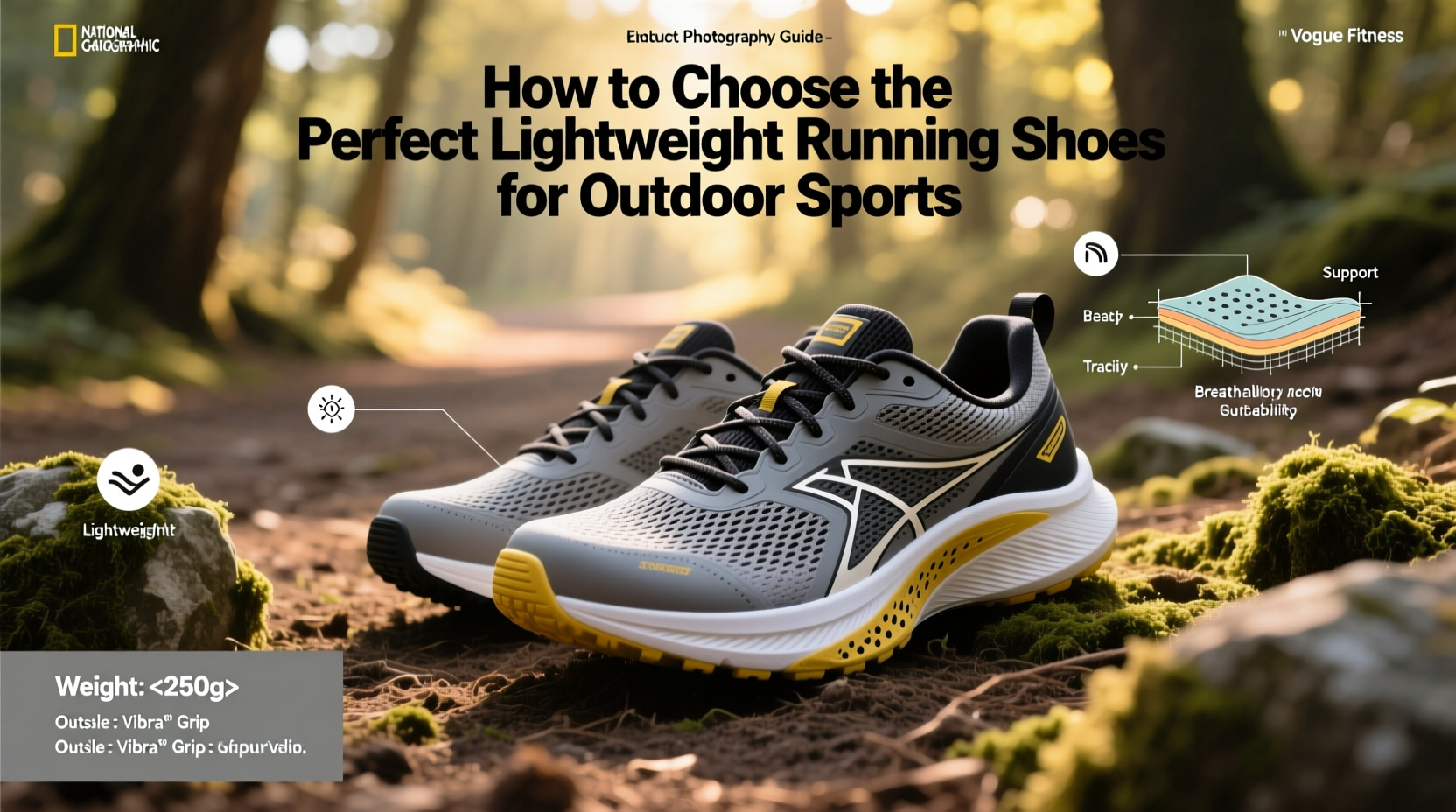
Selecting the right pair of lightweight running shoes can make the difference between an exhilarating trail session and an early exit due to discomfort or injury. With advancements in materials, midsole foams, and biomechanical design, today’s runners have access to footwear that’s faster, more responsive, and better adapted to specific conditions than ever before. But with so many options, how do you pinpoint the ideal shoe? This guide cuts through the noise, focusing on performance, durability, and fit to help you find your perfect match.
Understand Your Running Style and Foot Type
Your foot mechanics play a crucial role in determining which running shoe will support you best. The three primary foot types are neutral, overpronated (flat feet), and supinated (high arches). Each requires different levels of stability and cushioning. Overpronators need structured support to prevent inward rolling, while supinators benefit from extra cushioning to absorb impact. Neutral runners enjoy the broadest range of choices, especially when it comes to lightweight models.
A simple way to assess your gait is the \"wet test\": wet the sole of your foot and step onto a piece of cardboard. If the imprint shows a full foot with little curve on the inside, you likely overpronate. A thin band connecting heel and forefoot suggests high arches. A moderate curve indicates a neutral arch.
Tip: Visit a specialty running store for a professional gait analysis. Many offer treadmill evaluations with slow-motion video to observe your stride.Key Features of High-Performance Lightweight Running Shoes
Lightweight doesn’t mean flimsy. The best performance shoes balance minimal weight with essential support and protection. Here are the core features to evaluate:
- Weight: Typically under 9 oz (255g) for men and 7.5 oz (213g) for women in racing or speed models.
- Midsole Foam: Modern compounds like PEBA, EVA, or proprietary foams (e.g., Nike ZoomX, Adidas Lightstrike Pro) provide energy return and cushioning without bulk.
- Outsole: Durable rubber in high-wear zones, often strategically placed to reduce weight. Trail versions feature deeper lugs for grip.
- Upper Material: Engineered mesh offers breathability and stretch where needed, while overlays secure the midfoot.
- Drop: The heel-to-toe differential (usually 4–8mm) affects strike pattern. Lower drops encourage a midfoot or forefoot strike.
“Lightweight shoes should enhance, not compromise, your natural movement. They’re tools for efficiency, not just speed.” — Dr. Lena Torres, Sports Biomechanist at Boulder Performance Lab
Match the Shoe to Your Terrain and Use Case
Not all lightweight shoes are built for the same environment. Confusing road racers with trail models—or vice versa—leads to poor traction, instability, or premature wear.
| Terrain | Shoe Type | Key Features | Top Picks |
|---|---|---|---|
| Road / Track | Racing Flats / Speedsters | Low profile, carbon fiber plate, soft foam | Nike ZoomX Vaporfly, Saucony Endorphin Pro |
| Paved Trails / Mixed Paths | Light Trail Runners | Moderate lug depth, rock plate, breathable upper | Hoka Tecton X, Altra Lone Peak SL |
| Rugged Mountains / Technical Trails | Durable Trail Racers | Aggressive lugs, reinforced toe cap, sticky rubber | Salomon Ultra Glide, On Cloudrock |
If you frequently run on mixed surfaces—like urban sidewalks transitioning into dirt paths—consider a versatile hybrid model designed for both responsiveness and grip.
Step-by-Step Guide to Choosing Your Ideal Pair
Follow this proven process to narrow down your options efficiently:
- Define your primary use: Are you training for a marathon, doing tempo runs, or tackling mountain trails?
- Measure your foot: Do this in the afternoon when feet are slightly swollen. Use both length and width measurements.
- Determine your pronation type: Use the wet test or visit a specialty store.
- Set a weight threshold: For daily training, aim below 9 oz; for racing, consider sub-8 oz models.
- Try multiple brands: Fit varies significantly between manufacturers. Try on Nike, Hoka, Brooks, and New Balance side by side.
- Test them: Walk or jog around the store. Pay attention to heel slippage, toe-box space, and midfoot lockdown.
- Break them in gradually: Start with short runs before committing to long distances.
Real Example: How Sarah Found Her Perfect Race Day Shoe
Sarah, a recreational runner training for her first half-marathon, initially chose a popular lightweight racer based on reviews. After two long runs, she developed numbness in her toes and shin splints. She visited a local running clinic, where staff noted her high arches and tendency to supinate. They recommended a shoe with more forefoot volume and medial support. She switched to the Brooks Hyperion Elite, which offered a roomier toe box and nitrogen-infused DNA Flash foam. The change eliminated her discomfort, and she finished her race 5 minutes faster than predicted.
This case highlights why specs alone aren’t enough—individual biomechanics matter deeply.
Checklist: Before You Buy Your Lightweight Running Shoes
- ✅ Measured foot size (length and width)
- ✅ Identified foot type and gait pattern
- ✅ Determined primary terrain (road, trail, track)
- ✅ Set a realistic weight goal
- ✅ Tried on at least 3 different models
- ✅ Ensured thumb’s width of space at the toe
- ✅ Confirmed no heel slippage or pressure points
- ✅ Verified return policy in case of discomfort
Frequently Asked Questions
Can lightweight shoes be used for daily training?
Some can, but most ultra-light models are designed for speed workouts or races. Daily trainers need more durability and cushioning. Look for “lightweight trainers” like the Asics Novablast or Saucony Ride series if you want speed without sacrificing longevity.
How long do lightweight running shoes last?
Typically 200–300 miles. Racing shoes with soft foams degrade faster than traditional trainers. Monitor loss of bounce, creasing in the midsole, or increased fatigue during runs as signs it’s time to replace them.
Do carbon-plated shoes really make you faster?
Yes—for certain runners. Studies show energy return improvements of 4–6% with carbon plates and resilient foams. However, they require strong calves and good form. Beginners may find them too stiff or difficult to control.
Final Thoughts: Make Your Choice Work for You
The perfect lightweight running shoe isn’t about brand prestige or pro endorsements—it’s about alignment with your body, goals, and environment. Whether you're chasing a personal best on pavement or navigating switchbacks on a misty ridge, the right shoe becomes an extension of your stride. Don’t rush the decision. Test thoroughly, listen to your body, and prioritize function over flash.
💬 Found your dream pair? Share your experience in the comments below—your insight could help another runner take their next confident step.








