When temperatures rise, staying cool isn’t just about comfort—it’s about performance, endurance, and even safety. For athletes, outdoor workers, or anyone spending time in the sun, a well-chosen baseball t-shirt can make all the difference. Unlike standard cotton tees that trap heat and moisture, the right breathable baseball-style shirt wicks sweat, allows airflow, and maintains a dry feel throughout the day. But not all shirts labeled “breathable” deliver the same results. Choosing the ideal one requires understanding fabric technology, cut, construction, and purpose.
Understand What Makes a T-Shirt Truly Breathable
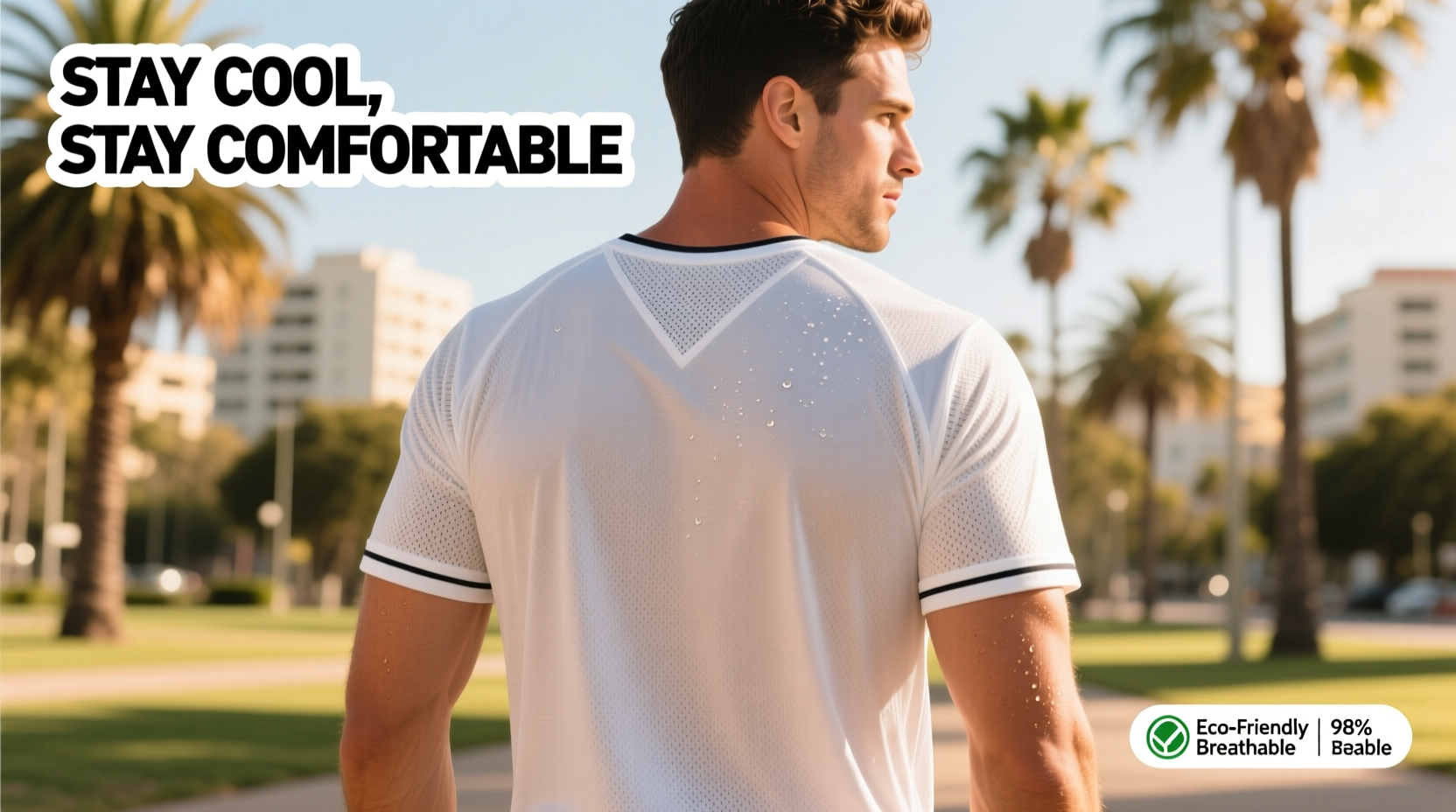
Breathability refers to a fabric’s ability to allow air to circulate and moisture vapor to escape. In hot conditions, your body cools itself through sweat evaporation. If a shirt traps moisture against the skin, it creates a damp, sticky layer that raises perceived temperature and increases discomfort. A truly breathable baseball t-shirt promotes airflow and moves sweat away from the body—this is achieved through both material and design.
Synthetic fibers like polyester and nylon dominate performance wear because they are engineered for moisture-wicking. When blended with natural fibers such as cotton or bamboo, they enhance softness while maintaining functionality. Look for terms like “moisture-wicking,” “quick-dry,” or “ventilated mesh panels” when shopping. These aren’t just marketing buzzwords—they indicate specific technologies designed to improve thermal regulation.
Tip: Avoid 100% cotton baseball tees for high-heat activities—while soft, cotton absorbs moisture and dries slowly, increasing discomfort.Key Fabric Types and Their Performance
The fabric blend determines how well a baseball t-shirt performs under heat stress. Below is a comparison of common materials used in breathable performance tees:
| Fabric Type | Breathability | Motion Comfort | Durability | Best For |
|---|---|---|---|---|
| Polyester (Moisture-Wicking) | ★★★★★ | ★★★★☆ | ★★★★★ | Intense activity, sports, sun exposure |
| Poly-Cotton Blend (60/40) | ★★★☆☆ | ★★★★☆ | ★★★☆☆ | Casual wear, light activity |
| Nylon-Spandex Mix | ★★★★☆ | ★★★★★ | ★★★★☆ | Active movement, field sports |
| Bamboo-Rayon Blend | ★★★★☆ | ★★★★☆ | ★★★☆☆ | Eco-conscious buyers, sensitive skin |
| 100% Cotton | ★★☆☆☆ | ★★★☆☆ | ★★☆☆☆ | Indoor or low-sweat settings only |
Polyester remains the top choice for breathability due to its hydrophobic nature—it repels water rather than absorbing it. Modern versions include micro-perforations and textured weaves that increase surface area for faster evaporation. Nylon-spandex blends offer excellent stretch and recovery, ideal for dynamic movements during games or training. Bamboo-based fabrics are gaining popularity for their natural antimicrobial properties and soft hand-feel, though they may require more delicate care.
“Performance fabrics have evolved beyond just wicking sweat—they now regulate temperature, reduce odor, and even block UV rays.” — Dr. Lena Torres, Textile Innovation Researcher at MIT
Fit and Cut: Why Structure Matters for Airflow
A shirt can have the best fabric but still fail if the fit restricts movement or traps heat. Baseball t-shirts typically feature a raglan sleeve design—distinct diagonal seams running from collar to underarm—which allows greater shoulder mobility and reduces chafing. This cut also often includes slightly looser underarms and torso, promoting better circulation.
For optimal breathability, avoid overly tight fits. A snug shirt may look athletic, but it limits air exchange and presses fabric against sweaty skin, reducing evaporation efficiency. Instead, opt for a semi-relaxed or athletic fit that skims the body without constriction. Check for gussets or side vents; these small design elements dramatically improve ventilation by allowing hot air to escape from beneath the arms.
Additionally, consider the collar. While traditional V-necks are common, some performance models use modified crew necks with mesh backing or open-weave inserts behind the neck to enhance cooling where heat builds up fastest.
Step-by-Step Guide to Selecting Your Ideal Shirt
Follow this practical sequence to ensure you pick a baseball t-shirt that keeps you cool and functional in hot conditions:
- Determine your primary use: Will you be playing sports, working outdoors, or wearing it casually? High-exertion activities demand higher-performance fabrics.
- Check the fabric label: Prioritize shirts with at least 85% synthetic moisture-wicking material (e.g., polyester). Blends up to 15% cotton are acceptable if balanced with performance tech.
- Look for ventilation features: Mesh panels under arms, back yokes, or side slits improve airflow significantly.
- Assess the seam construction: Flatlock or taped seams prevent chafing during repetitive motion—critical for pitchers or field players.
- Test the weight: Lightweight fabrics (under 160 gsm) feel cooler and dry faster. Hold the shirt up to light; you should see slight translucency indicating openness in weave.
- Verify UPF protection: Many performance tees include Ultraviolet Protection Factor (UPF 30+ or higher), essential for prolonged sun exposure.
- Try before committing: Move your arms, twist your torso. The shirt should move with you without riding up or binding.
Real-World Example: A Coach’s Summer Uniform Upgrade
Coach Marcus Rivera oversees a youth baseball program in Phoenix, Arizona, where summer practices regularly exceed 105°F (40°C). For years, his team wore standard cotton-poly blend baseball tees. Parents reported frequent overheating, stained uniforms, and complaints about stickiness after drills.
Rivera switched to a performance-grade polyester baseball tee with mesh underarm panels and UPF 50+ rating. Within two weeks, feedback changed: players reported feeling drier, parents noted fewer odor issues, and uniform lifespan increased due to reduced mildew and fading. “The difference wasn’t just comfort—it was focus,” Rivera said. “When kids aren’t distracted by sweat and heat, they play better.”
Essential Checklist Before You Buy
- ✅ Fabric is primarily moisture-wicking polyester or nylon
- ✅ Includes ventilation zones (mesh panels, side vents)
- ✅ Raglan sleeves for unrestricted arm movement
- ✅ Flatlock or seamless stitching to prevent irritation
- ✅ UPF 30+ sun protection (especially important for outdoor use)
- ✅ Lightweight feel (check GSM if available)
- ✅ Odor-resistant treatment (often silver-ion or antimicrobial finish)
- ✅ Color choices with reflective or light-absorbing logic (light colors reflect heat)
Frequently Asked Questions
Can I machine wash breathable baseball t-shirts?
Yes, most performance tees are machine washable. Use cold water and avoid fabric softeners, which can clog the fibers and reduce wicking ability. Tumble dry on low or air dry to preserve elasticity and finish.
Do breathable shirts last as long as regular ones?
High-quality performance shirts often outlast cotton tees because synthetic fibers resist pilling and degradation from sweat and UV exposure. However, they require proper care—avoid high heat and chlorine-heavy environments when possible.
Are there eco-friendly breathable options?
Yes. Brands now offer shirts made from recycled polyester (rPET), organic bamboo, or plant-based synthetics. These maintain breathability while reducing environmental impact. Look for certifications like OEKO-TEX or Bluesign for safer production standards.
Stay Cool, Stay Confident
Choosing the right breathable baseball t-shirt isn’t just about fashion—it’s about function, health, and performance. With the right combination of fabric, fit, and features, you can stay cool even when the mercury soars. Whether you're stepping up to bat, coaching from the sidelines, or simply enjoying a sunny afternoon, your clothing should support you, not hold you back.
💬 Found your perfect breathable tee? Share your go-to brand or tip in the comments below—help others beat the heat in comfort!








