Spending time outdoors—whether hiking, gardening, cycling, or simply walking—means exposure to the sun’s intense rays and fluctuating temperatures. A well-chosen baseball cap does more than complete your outfit; it shields your face, neck, and eyes from harmful UV radiation while keeping you cool and comfortable. Yet not all caps are created equal. The difference between a good cap and a great one lies in thoughtful selection based on material, fit, design, and function. Choosing the right cap isn’t about style alone—it’s about performance where it matters most.
Understand Your Needs: Purpose First, Style Second
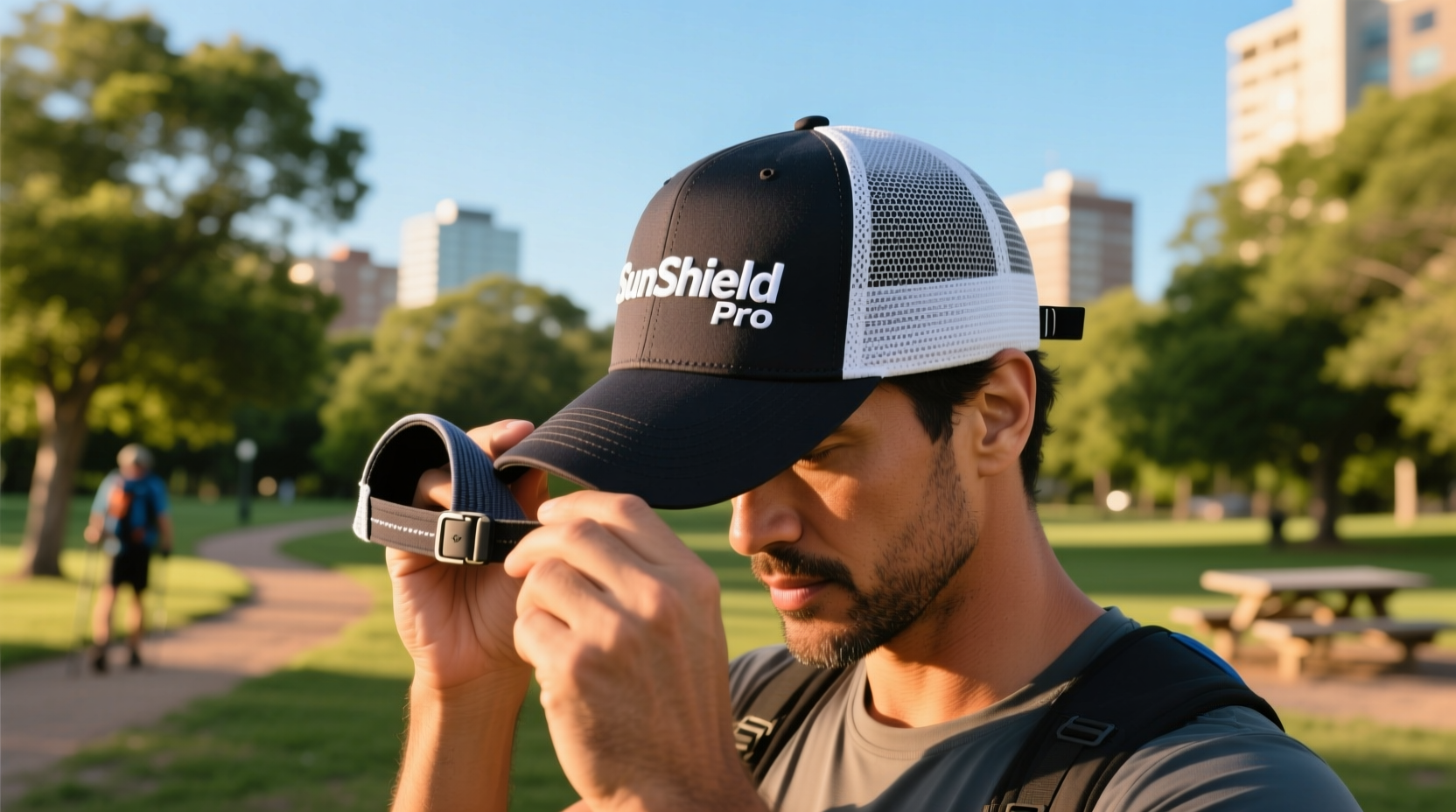
Before browsing colors or logos, define how and where you’ll use the cap. Are you trekking through desert trails under midday sun? Gardening in humid conditions? Or commuting daily with occasional sun exposure? Each scenario demands different features.
A cap worn during high-intensity outdoor activities needs superior breathability and moisture-wicking properties. One used primarily for casual wear might prioritize aesthetics but should still offer basic UV protection. Recognizing your primary use case ensures you don’t sacrifice function for fashion.
Tip: If you’re active outdoors for more than an hour, prioritize technical fabrics over cotton, which retains sweat and offers minimal UV resistance.Material Matters: Balancing Comfort, Durability, and Protection
The fabric of your cap directly affects temperature regulation, sweat management, and sun shielding. Common materials include cotton, polyester, nylon, and performance blends. Each has distinct advantages and drawbacks.
| Material | Pros | Cons |
|---|---|---|
| Cotton | Soft, breathable, classic feel | Retains moisture, shrinks when washed, poor UV protection |
| Polyester | Lightweight, dries quickly, often treated for UV resistance | Can feel synthetic; lower breathability if low-quality |
| Nylon | Durable, water-resistant, excellent for travel | Less breathable than other synthetics unless mesh-backed |
| Performance Blends (e.g., polyester-spandex) | Moisture-wicking, stretchable, UPF-rated options available | Slightly higher cost |
For optimal outdoor protection, look for caps labeled with UPF (Ultraviolet Protection Factor) 30 or higher. Unlike SPF, which measures sunscreen effectiveness, UPF rates how much UV radiation a fabric blocks. A UPF 50 fabric blocks 98% of UV rays—ideal for prolonged sun exposure.
“Many people assume any hat provides adequate sun protection, but without proper fabric density and treatment, standard cotton caps block less than 10% of UV radiation.” — Dr. Lena Reyes, Dermatologist & Sun Safety Advocate
Fit and Ventilation: Staying Cool Without Sacrificing Security
A cap that slips constantly or causes overheating defeats its purpose. Fit is determined by both head size and closure type. Most adult heads range from 21.5 to 25 inches in circumference. Measure yours with a soft tape just above the ears and eyebrows for accuracy.
Ventilation is equally critical. Look for:
- Metal eyelets or laser-perforated panels along the sides for airflow
- Mesh back panels that allow heat to escape while reducing weight
- Moisture-wicking inner sweatbands made from antimicrobial fabric to prevent irritation and odor
Adjustable closures—snapbacks, velcro, or buckles—offer flexibility across head sizes but may create pressure points. Structured caps with stiff front panels maintain shape but can trap heat. Unstructured designs are lighter and packable, ideal for travelers.
Step-by-Step Guide: Finding Your Ideal Fit
- Measure your head circumference using a flexible tape measure.
- Select a cap size matching your measurement (check brand-specific charts).
- Try the cap on: It should sit level, cover your forehead without obstructing vision, and feel snug but not tight.
- Check temple and crown pressure—no pinching or sliding.
- Ensure the brim extends far enough to shade your nose and cheeks (minimum 2.5 inches recommended).
Design Features That Enhance Functionality
Beyond fabric and fit, subtle design choices significantly impact real-world performance.
Brims: Curved brims suit casual wear and block overhead sun. Flat brims offer broader frontal coverage. Extended or wide brims (like those on fishing caps) provide extra protection for the neck and shoulders—especially valuable for drivers or cyclists.
Neck Flaps: Some outdoor caps integrate fold-out UPF-rated flaps that shield the nape of the neck—a common burn zone often overlooked.
Odor Control & Antimicrobial Lining: Activated charcoal-infused linings or silver-ion treatments reduce bacterial growth, crucial for sweaty environments.
Packability: Travelers benefit from crush-resistant foam fronts or foldable designs that retain shape after being stuffed into backpacks.
Tip: Roll your cap crown-first when packing to preserve structure. Avoid folding the brim sharply.Real-World Example: Hiking the Arizona Trail
Consider Mark, an avid hiker tackling a 10-mile trail near Sedona in July. Temperatures exceed 100°F (38°C), and shade is sparse. His previous cotton cap soaked through within 20 minutes, dripping sweat into his eyes and offering little UV defense. After switching to a lightweight polyester cap with UPF 50+, mesh side vents, and a curved brim, he noticed immediate improvements. The new cap stayed dry, stayed put in wind gusts, and prevented facial sunburn—even during peak solar hours. Over a single season, he avoided two prior cases of heat-related fatigue linked to poor head cooling.
This shift wasn’t about luxury—it was about functional adaptation. The right cap became as essential as hydration and footwear.
Checklist: What to Look for Before Buying
- ✅ UPF 30+ rating for reliable sun protection
- ✅ Moisture-wicking fabric (polyester, nylon, or performance blend)
- ✅ Ventilated panels or mesh construction
- ✅ Adjustable or precise sizing for secure fit
- ✅ Sweatband with antimicrobial treatment
- ✅ Brim length sufficient to shade eyes and nose
- ✅ Lightweight and packable (if needed for travel)
Frequently Asked Questions
Can I wear a baseball cap instead of sunscreen?
No. While a quality cap reduces UV exposure to the face and scalp, it doesn’t cover all areas—especially ears and the back of the neck. Always pair your cap with broad-spectrum SPF 30+ sunscreen on exposed skin.
How do I clean my baseball cap without ruining it?
Hand wash in cool water with mild detergent. Gently scrub the sweatband and rinse thoroughly. Reshape the cap and air-dry it on a form (like a coffee can) to maintain structure. Avoid machine washing or drying, which can warp the brim and shrink fabric.
Are expensive caps worth it for outdoor use?
Not always—but investment-grade caps often use advanced textiles, ergonomic design, and rigorous UV testing. For occasional use, mid-range options suffice. For daily or extreme-condition use, paying more typically delivers measurable gains in comfort and longevity.
Final Thoughts: Make Protection a Habit
Choosing the perfect baseball cap isn’t a minor detail—it’s a proactive step toward long-term skin health and outdoor enjoyment. With rising UV index levels and increasing time spent outside, equipping yourself with intelligent gear makes a tangible difference. Prioritize protection, ensure a secure fit, and select materials engineered for performance, not just appearance.
🚀 Ready to upgrade your sun game? Reassess your current cap using the checklist above—and make your next purchase one that protects, performs, and lasts.








