
Fly fishing is as much about precision and preparation as it is about patience. While many anglers focus on rods, flies, and casting technique, one of the most critical—and often overlooked—elements is the knot. A poorly tied knot can cost you a trophy trout, ruin your presentation, or lead to lost gear. The right knot, however, ensures strength, reliability, and a natural drift. With dozens of knots available, choosing the best one depends on your line type, fly size, and fishing conditions. This guide breaks down the top-performing knots, gear compatibility, and real-world tips from seasoned fly fishers.
The Role of Knots in Fly Fishing Success
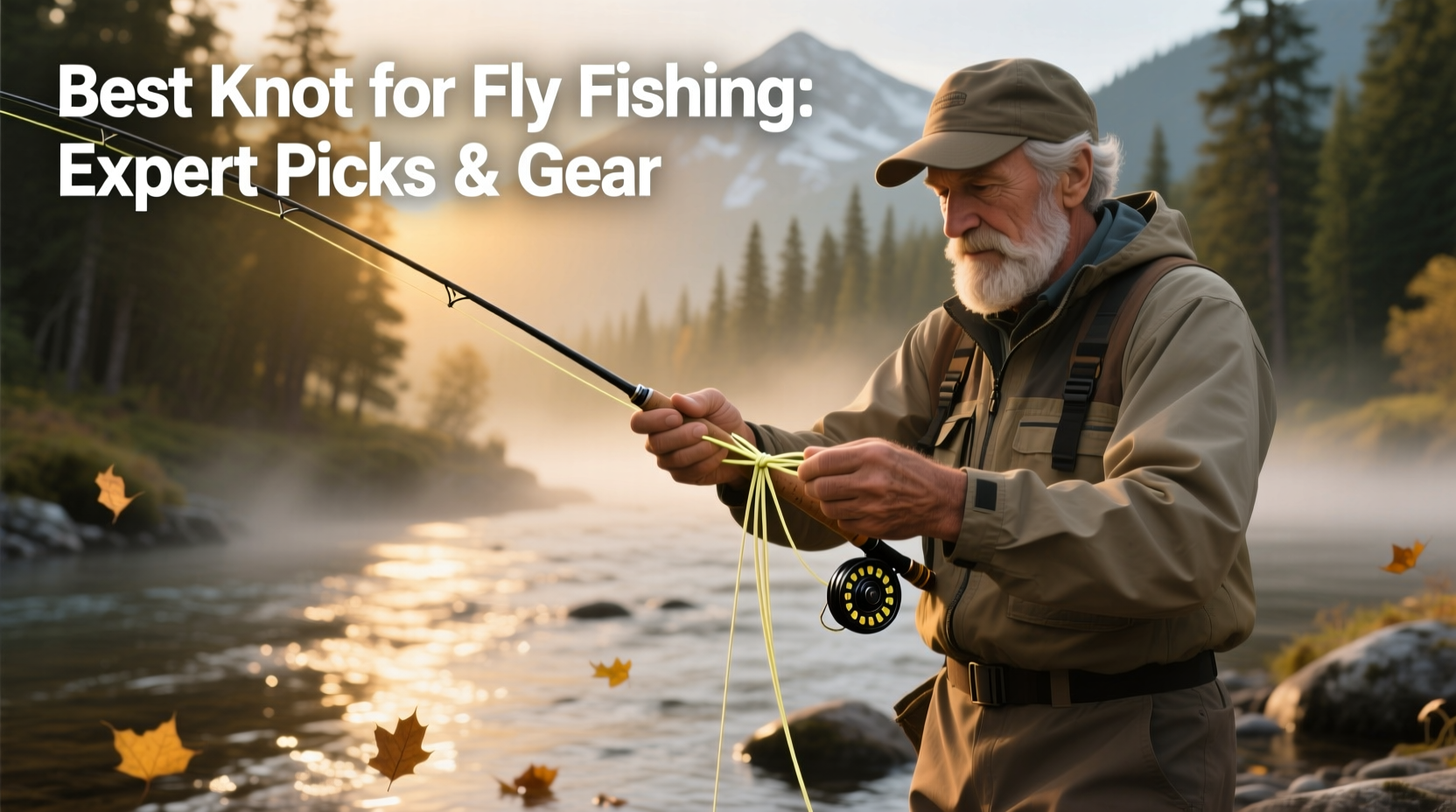
In fly fishing, the connection between leader, tippet, and fly must be nearly invisible to wary fish. Unlike spin fishing, where heavier lines dominate, fly fishing relies on delicate setups where knot bulk and visibility matter. A good knot maintains line strength, resists slippage, and ties quickly under pressure. More importantly, it should perform consistently across different materials—monofilament, fluorocarbon, or braided leaders.
According to veteran guide Mark Reynolds, who has led trips on Montana’s Yellowstone River for over two decades:
“Nine out of ten break-offs I see aren’t due to poor gear—they’re due to bad knots. If you master three solid knots and tie them perfectly every time, you’ll land more fish than someone using ten different ones half-right.” — Mark Reynolds, Professional Fly Fishing Guide
Top 5 Fly Fishing Knots: Expert Picks & When to Use Them
Not all knots are created equal. Below is a breakdown of the most trusted knots in modern fly fishing, based on tensile strength, ease of tying, and field performance.
| Knot | Best For | Tensile Strength | Tying Difficulty | Visibility |
|---|---|---|---|---|
| Improved Clinch Knot | Dry flies, nymphs (mono/fluoro) | 92–95% | Easy | Low |
| Nail Knot | Attaching leader to fly line | 85–90% | Moderate | Medium |
| Perfection Loop | Creating loops in tippet | 80% | Easy | High |
| Double Surgeon’s Knot | Joining tippet to leader | 85–90% | Easy | Medium |
| Non-Slip Loop Knot | Wet flies, streamers | 90–93% | Moderate | Low |
When to Choose Each Knot
- Improved Clinch Knot: Ideal for attaching small dry flies or nymphs to tippet. Performs well with diameters from 3X to 6X. Avoid with stiff fluorocarbon unless moistened during tightening.
- Nail Knot: The go-to for connecting monofilament or fluorocarbon leaders to the fly line. Holds up under heavy casting stress. Use a straw or tube instead of an actual nail for easier tying.
- Perfection Loop: Best for creating a permanent loop at the end of a tippet section. Useful when using loop-to-loop connections for quick fly changes.
- Double Surgeon’s Knot: Excellent for joining two lines of similar or slightly different diameters. Commonly used to attach tippet to the end of a leader. Leaves a small but acceptable knot bulk.
- Non-Slip Loop Knot: Creates a free-swinging fly, enhancing action for streamers and wet flies. Critical in cold water where trout key in on movement.
Step-by-Step: Tying the Improved Clinch Knot (Most Used Fly Knot)
- Thread the tippet through the eye of the hook.
- Double back and make 5–7 tight wraps around the standing line.
- Pull the tag end through the small loop just above the eye.
- Then pass it through the large outer loop.
- Maintain tension on the tag end and slowly pull the standing line to tighten.
- Moisten the knot, then seat it firmly by pulling both ends.
- Trim the tag end close, leaving about 1/8 inch.
This knot excels with lighter tippets and smaller flies. It’s fast, reliable, and widely recommended by fly shops and guides alike. Practice until you can tie it blindfolded—one day you might need to.
Gear Compatibility: Matching Knots to Your Setup
Your choice of knot should align with your gear. Fluorocarbon requires different handling than nylon; thick leaders behave differently than fine tippets. Here’s how to match them:
- Fluorocarbon Tippet: Stiffer and less elastic than mono. Use the Improved Clinch or Non-Slip Loop, but always lubricate during tightening. Avoid knots that rely on flexibility like the Trilene Knot.
- Thin Tippet (5X–7X): Delicate and prone to breaking. Prioritize high-strength, low-profile knots. The Improved Clinch and Double Surgeon’s are safest bets.
- Heavy Streamer Setups: When throwing large patterns on sinking lines, use the Non-Slip Loop Knot to maximize action and shock absorption.
- Loop-Friendly Leaders: If your leader has a pre-made loop, pair it with a Perfection Loop on the tippet and connect via loop-to-loop. Saves time and reduces knot bulk.
Real Example: A Day on the Green River
Jessica Tran, an intermediate angler from Colorado, spent a frustrating morning on the Green River losing fish after short runs. She was using a basic clinch knot she’d learned years ago, never upgraded her technique. After switching to the Improved Clinch Knot and moistening each tie-up, her success rate doubled. “I didn’t change my fly or spot,” she said. “Just started tying better knots. Landed three rainbows over 18 inches in two hours.” Her story underscores a universal truth: mastery of fundamentals often trumps gear upgrades.
Checklist: Pre-Water Knot Readiness
Before you hit the river, run through this checklist:
- ✅ Inspect tippet for nicks or memory coils
- ✅ Select knot based on fly type and water conditions
- ✅ Practice tying with gloves on (if fishing in cold weather)
- ✅ Carry a magnifying visor for inspecting tiny knots
- ✅ Test knot strength by pulling against a tree or post
- ✅ Keep a small bottle of water or saliva substitute for lubrication
- ✅ Trim excess tag ends—long tags spook fish in clear water
Frequently Asked Questions
What is the strongest knot for fly fishing?
The Non-Slip Loop Knot and Improved Clinch Knot both offer over 90% tensile strength when tied correctly. The Non-Slip Loop provides added flexibility for streamers, while the Improved Clinch is best for dry flies and nymphs.
Can I use the same knot for all fly types?
You can, but you shouldn’t. A knot that works for a size 22 midge may fail under the strain of a size 4 Woolly Bugger. Match the knot to the fly’s weight, water type, and action required.
How often should I re-tie my fly?
Re-tie after every strong fish, visible abrasion, or if the knot has been submerged and tightened multiple times. Even strong knots degrade after repeated stress. When in doubt, retie.
Final Thoughts: Elevate Your Game One Knot at a Time
Great fly fishing isn’t built on expensive gear alone—it’s built on attention to detail. The knot you tie may seem minor, but it’s the final link between you and the fish. By selecting the right knot for the situation, practicing consistency, and respecting material differences, you dramatically increase your odds of success. Whether you're wading a mountain stream or drifting down a tailwater, let your knots be as refined as your cast.
💬 Which knot has saved your day on the water? Share your story or favorite tip in the comments—help fellow anglers strengthen their connection to the catch.








