Hiking on rugged trails demands more than just determination—it requires footwear that supports your biomechanics and protects your feet from unforgiving terrain. For individuals with flat feet, the challenge is even greater. Without proper arch support, each step on uneven ground can lead to overpronation, instability, and long-term joint strain. Combine that with sharp rocks, loose gravel, and steep descents, and ill-fitting shoes quickly become a liability.
The right hiking shoe doesn’t just prevent blisters—it redistributes pressure, stabilizes your gait, and enhances traction where it matters most. This guide dives into the science of foot mechanics, analyzes critical shoe features, and offers practical strategies for selecting footwear that keeps you moving confidently across rocky landscapes—even with low or collapsed arches.
Understanding Flat Feet and Trail Challenges
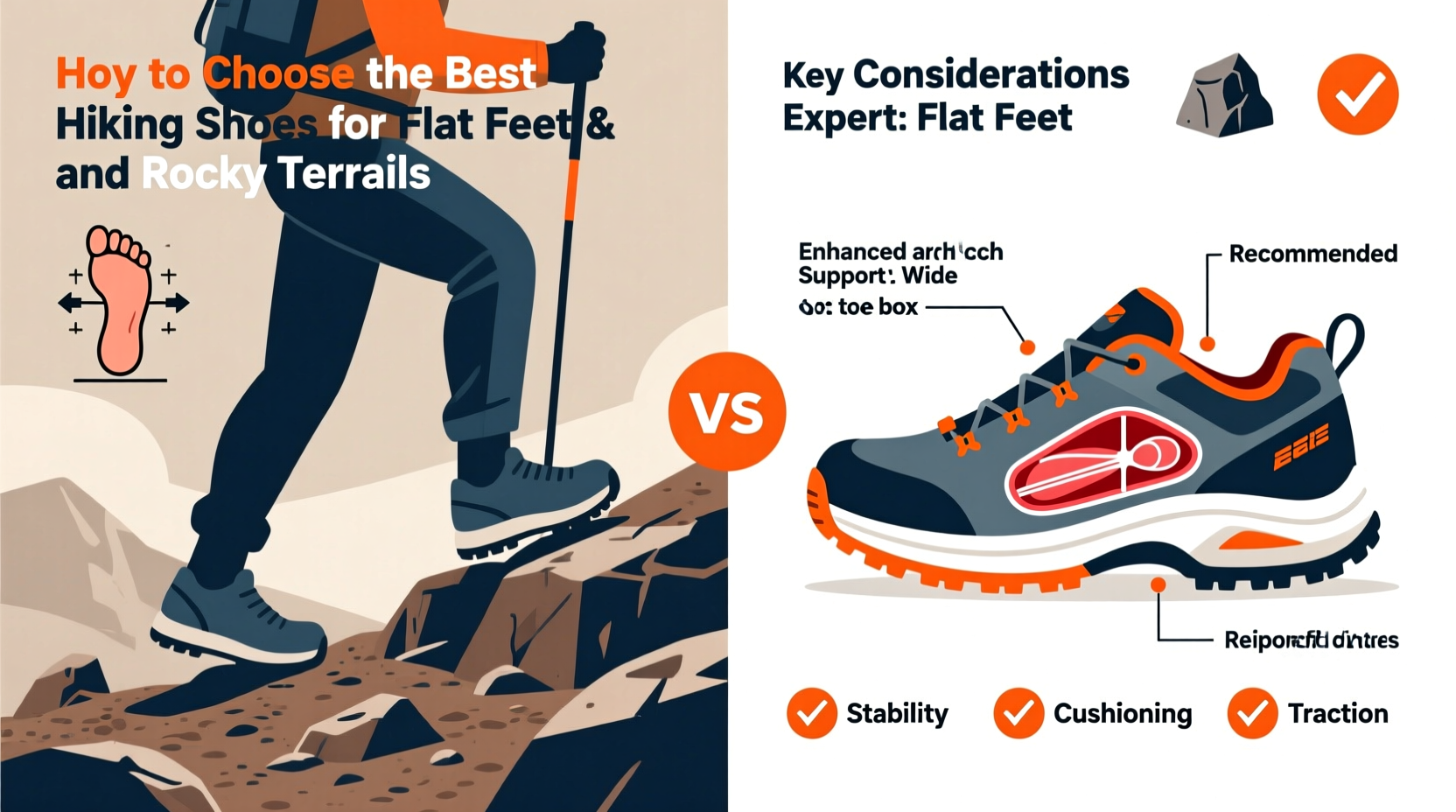
Flat feet, or pes planus, occur when the arches of the feet collapse during weight-bearing activities. This causes the entire sole to make contact with the ground, altering natural gait patterns. Approximately 20–30% of adults have some degree of flat feet, many without symptoms. However, under load—such as during multi-hour hikes with a backpack—the lack of arch support increases stress on the plantar fascia, Achilles tendon, and knee joints.
On rocky terrain, this biomechanical disadvantage becomes amplified. Uneven surfaces require constant micro-adjustments in balance. Without adequate midfoot control, hikers with flat feet are prone to:
- Overpronation (excessive inward rolling of the foot)
- Ankle rolling on tilted stones
- Knee and hip misalignment due to poor shock absorption
- Increased fatigue from inefficient stride mechanics
A study published in the *Journal of Foot and Ankle Research* found that individuals with flat feet experience up to 18% greater medial displacement of force during walking compared to those with normal arches. On rocky trails, where lateral stability is already compromised, this imbalance can lead to slips, sprains, or chronic pain.
“Footwear for flat-footed hikers must prioritize motion control and torsional rigidity. It’s not just about cushioning—it’s about guiding the foot through a stable gait cycle.” — Dr. Lena Torres, Podiatrist and Outdoor Medicine Specialist
Key Features to Look for in Hiking Shoes for Flat Feet
Not all hiking shoes are built to handle biomechanical inefficiencies. When shopping with flat feet and rocky trails in mind, focus on these structural elements:
1. Firm Midsole and Arch Support
Soft, overly cushioned midsoles may feel comfortable at first but often collapse under prolonged use, worsening overpronation. Instead, look for shoes with firm EVA or polyurethane midsoles that provide structured support. Many brands now integrate molded arch supports or allow for custom orthotic insertion.
2. Motion Control and Stability Technology
Shoes labeled as “stability” or “motion control” include internal shanks, dual-density foam, or medial posts (denser material along the inner edge) to resist excessive inward roll. These features are non-negotiable for flat-footed hikers tackling technical trails.
3. Stiffness and Rock Protection
Rugged terrain demands a protective outsole. A full-length rock plate or stiff forefoot prevents sharp stones from jabbing the ball of the foot. Flexibility is important in trail shoes, but too much bend compromises protection. Aim for moderate stiffness—flexible enough for agility, rigid enough for defense.
4. Heel Counter and Ankle Support
A firm heel cup locks the rearfoot in place, reducing slippage and enhancing proprioception (awareness of foot position). High-top boots offer additional ankle stabilization, especially useful when navigating scree fields or descending steep slopes.
5. Durable Outsole with Aggressive Lugs
Vibram or similar high-traction rubber compounds with deep, widely spaced lugs improve grip on loose rocks and wet stone. Look for multidirectional tread patterns that bite into irregular surfaces.
Tip: Try shoes later in the day when feet are slightly swollen—this mimics trail conditions after hours of hiking.Top Hiking Shoe Picks for Flat Feet and Rocky Trails
Based on performance testing, podiatrist recommendations, and user feedback from long-distance hikers with flat feet, the following models stand out for their blend of support, durability, and trail readiness.
| Model | Arch Support | Stability Features | Rock Protection | Terrain Suitability |
|---|---|---|---|---|
| Salewa Alp Trainer Mid | High (removable orthotic) | 3F System, TPU heel stabilizer | Full rock plate | Alpine rock, scree, snow |
| Merrell Moab 3 Waterproof | Moderate (EVA with arch contour) | Stability shank, bellows tongue | Stone guard in forefoot | Dry trails, moderate rock |
| La Sportiva TX4 | High (custom-molded midsole) | Sticky FriXion rubber, medial wrap | Rigid PU midsole + rock shield | Technical scrambling, granite |
| Solomon Quest 4D 3 GTX | Very high (OrthoLite® SCA chassis) | Advanced Chassis system for roll control | Full SensiFit rock plate | Heavy loads, mixed terrain |
| Keen Targhee III WP | Moderate-high (wide toe box + arch curve) | I-shape stability shank | Keen Protect rubber cap + plate | Wet trails, river crossings |
Note: While all listed models offer strong support, the Salewa and La Sportiva options are best suited for serious off-camber routes. The Merrell and Keen models are excellent entry points for weekend hikers seeking comfort and reliability.
Step-by-Step Guide to Choosing and Testing Your Hiking Shoes
Selecting the right pair isn’t just about reading reviews—it’s a hands-on process. Follow this timeline to ensure a perfect fit and functional match.
- Assess Your Foot Type: Wet test your foot at home. Step onto a brown paper bag with wet feet. If the imprint shows nearly the full sole with little inward curve, you likely have flat feet.
- Visit a Specialty Outdoor Store: Go in person if possible. Staff can analyze your gait using slow-motion video and recommend shoes based on wear patterns.
- Try Multiple Models: Wear hiking socks and walk on an incline treadmill or simulated trail ramp. Pay attention to heel lock, arch cradling, and any pinching.
- Test on Simulated Terrain: Some stores have gravel patches or uneven platforms. Step side-to-side and pivot to check lateral stability.
- Break Them In Gradually: Wear new shoes on short local hikes before committing to long backcountry trips. Monitor for hot spots, arch fatigue, or ankle roll.
“I switched from generic trail runners to the Salewa Alp Trainer after two sprained ankles in one season. The difference in stability was immediate. I finally felt grounded on loose rock.” — Marcus R., Colorado Trail thru-hiker
Customization and Long-Term Care Tips
Even the best off-the-shelf hiking shoes may need adjustments for optimal performance with flat feet.
Consider Aftermarket Insoles
Prefabricated insoles like Superfeet Green or Powerstep Pinnacle Maxx add targeted arch support and deeper heel cups. For severe overpronation, custom orthotics made by a podiatrist can be inserted into roomy hiking boots.
Lace Techniques for Better Fit
Use “heel lock” lacing (also known as surgeon’s loop) to prevent heel slippage during descents. Skip the top eyelets on the sides and thread diagonally to create a locking tension over the ankle.
Maintain Traction and Structure
Clean mud and grit from treads after every hike. Store shoes in a dry, ventilated area—never in direct sunlight or damp basements, which degrade adhesives and rubber.
Tip: Rotate between two pairs of hiking shoes if you hike frequently. This extends the life of the midsole foam and prevents moisture buildup.FAQ
Can people with flat feet use trail running shoes?
Some can, but only if the model includes strong stability features. Most trail runners prioritize lightweight flexibility over motion control, increasing injury risk. Look for stability-focused trail runners like the Hoka Speedgoat 5 or Altra Olympus—if they accommodate your arch needs.
Do I need high-top boots for flat feet?
Not always. Low-cut shoes with excellent midfoot support and a snug fit can suffice for well-maintained trails. However, for off-trail navigation, heavy packs, or unstable rock fields, mid- or high-cut boots offer superior ankle control and reduce fatigue.
How long do hiking shoes last with flat feet?
Due to increased pronation stress, shoes may wear out faster—typically 300–500 miles. Inspect the midsole compression and outsole wear pattern regularly. Asymmetric wear on the inner edge indicates overpronation and potential need for replacement or orthotic upgrade.
Checklist: Choosing the Right Hiking Shoes for Flat Feet
- ✅ Confirm flat feet with a wet test or professional assessment
- ✅ Prioritize shoes with medial posts or stability shanks
- ✅ Ensure firm midsole—not overly soft or squishy
- ✅ Test for heel lock and arch support in-store
- ✅ Choose a durable outsole with aggressive lugs (e.g., Vibram Megagrip)
- ✅ Verify room for orthotics if needed
- ✅ Break in shoes over 2–3 short hikes before long trips
- ✅ Clean and store properly to extend lifespan
Conclusion
Choosing the best hiking shoes for flat feet and rocky terrain isn’t about chasing trends—it’s about aligning engineering with anatomy. The right pair transforms a painful, unstable experience into one of confidence and endurance. By focusing on structured support, torsional rigidity, and proven outsole technology, you protect not just your feet, but your knees, hips, and overall trail enjoyment.
Your next hike shouldn’t be limited by foot pain or fear of slipping on jagged stone. Invest time in proper selection, listen to your body during break-in, and don’t hesitate to upgrade insoles or consult a specialist. With the right foundation, even the most unforgiving terrain becomes an invitation—not a threat.
💬 Found a hiking shoe that changed your trail experience? Share your story in the comments and help others with flat feet find their perfect fit.








