Selecting the right hiking boots is one of the most important decisions a hiker can make. Poor footwear leads to blisters, fatigue, instability, and even injury—especially on rugged or extended trails. For men who hike regularly, whether weekend scrambles or multi-day backpacking trips, investing time in choosing the right boot pays off in comfort, performance, and foot health. With countless models, materials, and technologies on the market, the process can feel overwhelming. This guide breaks down what truly matters: fit, support, terrain compatibility, waterproofing, and long-term durability.
Understand Your Hiking Needs and Terrain
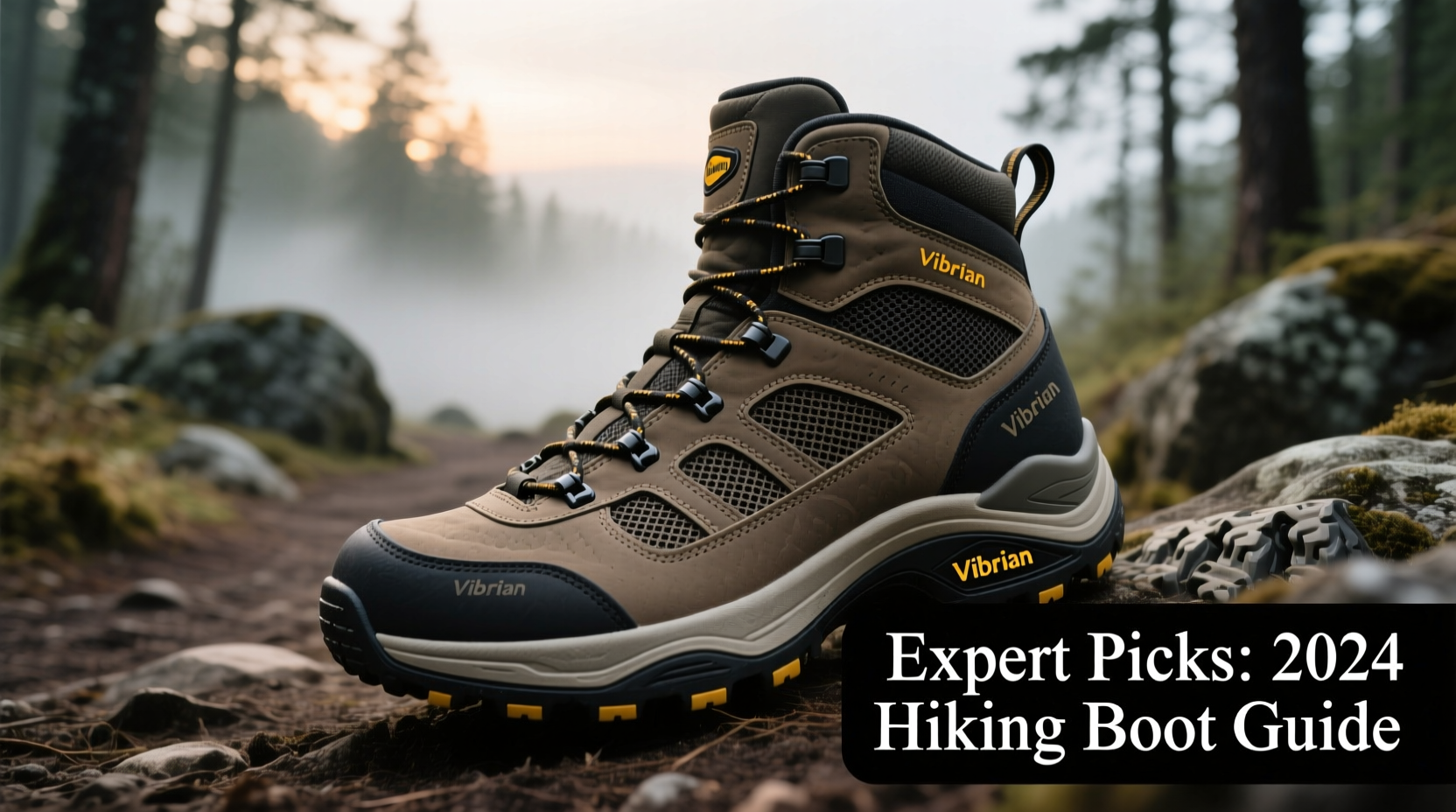
The first step in selecting the ideal hiking boot isn’t trying on shoes—it’s understanding your typical hiking conditions. Boots are designed with specific environments in mind, and using the wrong type can compromise safety and comfort.
- Day hikes on well-maintained trails: Lightweight trail shoes or low-cut hiking shoes offer flexibility and breathability.
- Rugged trails with loose rock or elevation gain: Mid-cut boots provide enhanced ankle support and better traction.
- Backpacking with heavy loads or off-trail navigation: High-cut, full-grain leather boots deliver maximum stability and protection.
- Wet or snowy conditions: Waterproof boots with membranes like Gore-Tex are essential to keep feet dry.
Matching your boot style to your most common hiking scenario ensures optimal performance. A boot too stiff for easy trails will feel cumbersome; one too light for rocky alpine routes may leave you vulnerable to sprains.
Tip: If you hike across multiple terrains, consider owning two pairs—one lightweight for summer trails, another supportive pair for winter or loaded treks.Fit and Footwear Anatomy: What Really Matters
No amount of technology compensates for a poor fit. The difference between a comfortable 10-mile hike and a miserable one often comes down to millimeters in toe box space or heel slippage.
A properly fitted hiking boot should:
- Allow a thumb’s width (about ½ inch) between your longest toe and the end of the boot when standing.
- Hold your heel securely without slipping, even on descents.
- Wrap snugly around the midfoot without pinching the arch or instep.
- Feel slightly roomier than your everyday shoes—feet swell during activity.
It's crucial to try on boots later in the day when feet are naturally larger. Wear the same socks you plan to hike in, ideally moisture-wicking wool blends. Walk on an inclined surface if possible, simulating uphill and downhill movement to test heel lock and toe lift.
“Many hikers buy boots too small because they don’t account for swelling and sock thickness. That half-inch of extra space prevents blisters and numbness.” — Dr. Alan Torres, Podiatrist & Outdoor Medicine Specialist
Key Boot Components Explained
| Component | Function | Material Options |
|---|---|---|
| Upper | Protects the foot and resists abrasion | Full-grain leather (durable), suede (lighter), synthetic mesh (breathable) |
| Midsole | Provides cushioning and arch support | EVA foam (lightweight), polyurethane (longer-lasting) |
| Outsole | Delivers traction and durability | Vibram® rubber (superior grip), carbon rubber (abrasion-resistant) |
| Shank | Stiffness layer between midsole and outsole for load support | Nylon (light), steel or composite (heavy-duty) |
| Waterproof Membrane | Blocks moisture while allowing vapor escape | Gore-Tex, eVent, proprietary brand linings |
Step-by-Step Guide to Choosing Your Best Hiking Boot
Follow this proven sequence to avoid guesswork and buyer’s remorse:
- Assess your typical hiking style – frequency, distance, terrain, and pack weight.
- Determine boot height – low-top for light trails, mid-height for mixed use, high-top for heavy loads or unstable terrain.
- Choose waterproof or breathable – opt for waterproof only if hiking in wet climates; otherwise, breathable uppers prevent overheating.
- Visit a specialty outdoor retailer – get professionally measured and gait-analyzed if possible.
- Try multiple brands and models – each brand fits differently; Salomon runs narrow, Keen wide, Merrell consistent.
- Test walk with weight – wear your hiking socks and carry a light pack while walking on ramps or gravel surfaces in-store.
- Check return policy – some stores allow field testing within 7–14 days if boots are clean and unscuffed.
Real-World Example: Choosing Boots for the Appalachian Trail
Consider Mark, a 38-year-old hiker preparing for a section hike on the Appalachian Trail through Virginia. His route includes steep ascents, muddy switchbacks, and variable weather. He initially considered lightweight trail runners but realized his 35-pound pack and 12-mile daily average required more support.
After visiting a local outfitter, he tested three models: a low-cut trail shoe, a mid-weight mid-cut boot, and a full-leather high-top. The trail runner felt unstable on descents. The high-top was overkill—too hot and slow to break in. The mid-cut boot struck the perfect balance: durable enough for stream crossings, supportive under load, and flexible enough for long miles.
He chose a model with a Vibram outsole, moderate torsional rigidity, and a Gore-Tex lining. After two weeks of short hikes to break them in, he completed a 60-mile stretch with no foot pain or blisters—a testament to thoughtful selection.
Durability and Long-Term Care Tips
A quality hiking boot should last 500–800 miles with proper care. Durability isn’t just about initial build—it’s also about maintenance.
- Clean mud and debris after every hike with a soft brush and lukewarm water.
- Air-dry boots at room temperature—never near a heater or direct sun.
- Re-waterproof periodically using conditioners compatible with the upper material (e.g., wax-based for leather, spray-on for synthetics).
- Replace worn laces and insoles as needed to maintain fit and support.
- Store in a cool, dry place with cedar inserts to absorb moisture and odors.
“The lifespan of a hiking boot isn’t determined by miles alone—it’s how well it’s cleaned, dried, and stored between adventures.” — Sarah Lin, Gear Editor at *Trail Life Magazine*
Frequently Asked Questions
How long does it take to break in hiking boots?
Most modern hiking boots require 10–20 miles of gradual use to fully conform to your foot. Start with short walks, gradually increasing distance and elevation. Avoid breaking in new boots on long or remote hikes.
Are expensive hiking boots worth it?
Higher price often reflects superior materials, construction, and longevity—not just branding. For occasional hikers, mid-range boots ($120–$180) are sufficient. Frequent or serious hikers benefit from premium models ($200+) due to better support and longer wear.
Can I use hiking boots for walking or city use?
You can, but they’re heavier and stiffer than casual footwear. Regular urban use accelerates wear on outsoles and reduces their effectiveness on trails. It’s better to reserve hiking boots for outdoor adventures.
Final Checklist Before Buying
- ✅ Try boots in the afternoon
- Feet expand during the day—this mimics trail conditions.
- ✅ Wear hiking socks
- Blisters often start from sock-boot friction mismatches.
- ✅ Test on inclines
- Check for heel lift uphill and toe jamming downhill.
- ✅ Confirm return policy
- Some retailers allow limited field testing before final purchase.
- ✅ Evaluate weight vs. support
- Lighter isn’t always better—balance agility with foot protection.
Take the Next Step with Confidence
Choosing the best hiking boots isn’t about following trends or marketing claims—it’s about matching function to your personal needs. Comfort and durability come from informed decisions: understanding your terrain, prioritizing fit, and respecting the engineering behind quality footwear. Once you find the right pair, maintain them diligently so they protect your feet for hundreds of miles.
💬 Found your perfect hiking boot? Share your experience or ask questions in the comments—your insight could help another hiker avoid sore feet and poor choices.








