Thick-soled sports shoes have evolved from niche performance gear into essential footwear for athletes, fitness enthusiasts, and even casual wearers who value cushioning and stability. Whether you're logging miles on the track, lifting weights in the gym, or navigating uneven terrain during outdoor training, the right pair of thick-soled shoes can dramatically enhance comfort, reduce injury risk, and improve overall performance. But not all thick soles are created equal. Durability, fit, material quality, and biomechanical support vary widely across models and brands. Choosing the right shoe requires more than just aesthetics—it demands an understanding of construction, function, and personal needs.
Understand the Purpose: Matching Shoe Design to Activity
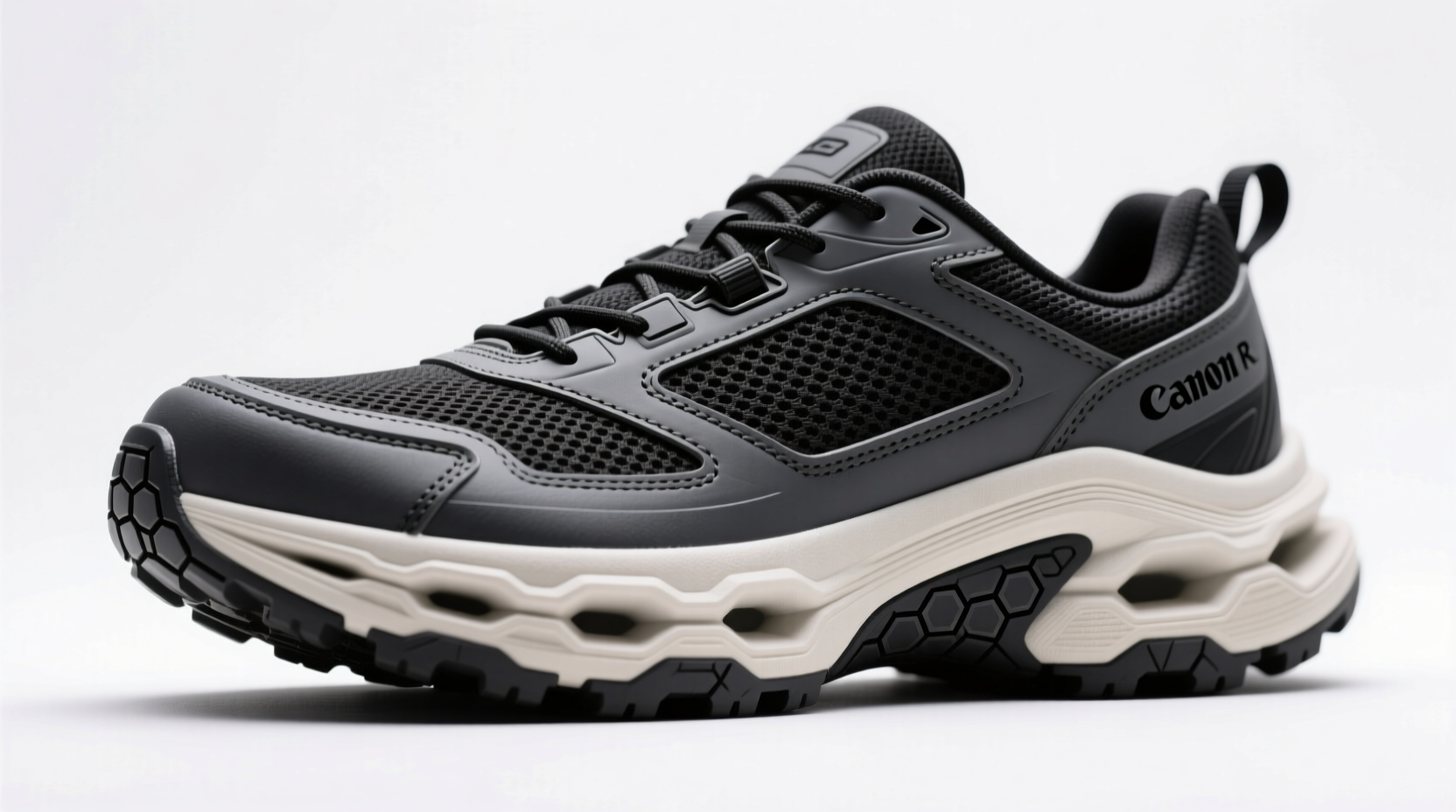
The first step in selecting durable thick-soled sports shoes is identifying your primary activity. A shoe built for weightlifting differs significantly from one designed for trail running or court sports. Thick soles offer excellent shock absorption, but excessive cushioning can compromise stability when lateral movement is required.
- Running: Look for thick midsoles with responsive foam (like EVA or polyurethane) that return energy with each stride. Shoes should flex at the forefoot and provide heel-to-toe drop alignment.
- Weight Training: Minimal heel lift and a firm, flat sole are preferable. While some cross-trainers have thick soles, they must remain stable under heavy loads to prevent ankle roll.
- Court Sports (basketball, tennis): Prioritize torsional rigidity and outsole traction. Thick soles here must balance cushioning with lateral support.
- Walking & Everyday Use: Maximalist cushioning is acceptable, provided the shoe maintains structural integrity over time.
Key Features of Durable Thick-Soled Construction
Durability isn’t just about lasting longer—it’s about maintaining performance over hundreds of miles or workout sessions. The best thick-soled sports shoes combine resilient materials with smart engineering.
Midsole Materials That Last
The midsole is the heart of a thick-soled shoe. Common materials include:
| Material | Lifespan | Best For | Drawbacks |
|---|---|---|---|
| EVA Foam | 300–500 miles | Lightweight running, daily wear | Compresses over time, loses bounce |
| Polyurethane (PU) | 600–800 miles | Heavy-duty training, walking | Heavier, less breathable |
| TPU (e.g., Boost, Pebax) | 700+ miles | High-performance running, racing | Premium cost |
Shoes using dual-density foams or layered midsoles often deliver both durability and targeted support. For example, a firmer layer beneath a softer top layer prevents bottoming out while preserving comfort.
Outsole Traction and Rubber Quality
A thick sole means little if the outsole wears down quickly. High-abrasion rubber, especially carbon rubber in high-impact zones (heel, forefoot), resists scuffing and extends shoe life. Look for segmented tread patterns that allow flexibility without sacrificing grip.
“Durability starts at the interface between foot and ground. A well-rubberized outsole on a thick midsole can add 200+ miles to a shoe’s functional lifespan.” — Dr. Lena Torres, Sports Biomechanist, University of Colorado
Fit and Foot Support: Avoiding Long-Term Discomfort
No amount of cushioning compensates for poor fit. A thick sole amplifies fit issues—too narrow, and pressure builds; too loose, and your foot slides, causing blisters and instability.
What to Check When Fitting
- Toe Box Width: Your toes should lie flat without crowding. For wide feet, look for “wide” or “EE” width options.
- Heel Lockdown: The heel cup should grip snugly without slipping. Excess movement leads to Achilles irritation.
- Arch Compatibility: Match the shoe’s arch profile to your foot type. Flat-footed runners need motion control; high arches benefit from extra cushioning.
- Sock-Like Fit: Modern knit uppers offer adaptive fit but may lack structure. Reinforced overlays improve durability during intense side-to-side motion.
Step-by-Step Guide to Selecting Your Ideal Pair
Follow this proven process to ensure you’re investing in a durable, high-performing shoe:
- Assess Your Activity Type: Determine whether you need stability, responsiveness, or maximal cushioning.
- Measure Your Feet: Use a Brannock device or trace your foot to get accurate length and width.
- Test In-Store (if possible): Walk, jog, or mimic sport-specific movements in the shoe. Listen for creaks or instability.
- Inspect Material Quality: Press the midsole—high-quality foam rebounds quickly. Check stitching and glue points for neatness.
- Review Warranty or Return Policy: Some brands offer 30–60 day trial periods. This allows real-world testing before commitment.
- Monitor Break-In Period: Most thick-soled shoes require 10–20 miles to settle. Sudden pain indicates poor fit.
Real-World Example: From Injury to Improvement
Mark, a 34-year-old recreational runner, experienced chronic knee pain after switching to a popular minimalist trainer. Believing thinner soles were “healthier,” he ignored discomfort until his physiotherapist recommended a gait analysis. The results showed excessive impact force due to inadequate cushioning and poor shock absorption.
He transitioned to a durable thick-soled running shoe with a dual-density EVA midsole and reinforced heel counter. Within three weeks, his joint pain decreased significantly. After six months of consistent use—logging over 350 miles—the shoes showed minimal midsole compression and no outsole wear in critical zones. His running efficiency improved, and he reported feeling “lighter on his feet” despite the added sole thickness.
This case illustrates that thick soles, when properly engineered and correctly fitted, do not hinder performance—they protect it.
Dos and Don'ts of Thick Sole Maintenance
Even the most durable shoes degrade prematurely without proper care. Extend their life with these guidelines:
| Do | Don’t |
|---|---|
| Rotate between two pairs to reduce continuous stress | Wear the same pair daily without rest |
| Let shoes air dry naturally after workouts | Place near heaters or in direct sunlight |
| Clean with mild soap and water | Machine wash or soak overnight |
| Replace every 300–500 miles (or when midsole feels flat) | Continue using beyond visible wear or loss of bounce |
Frequently Asked Questions
Are thick-soled shoes bad for balance?
Not inherently. Modern designs incorporate stabilizing features like heel counters, midfoot shanks, and wider bases. However, individuals with weak ankles should gradually adapt to thicker soles and consider strength training as part of their routine.
Can I use thick-soled shoes for hiking?
Only if specifically designed for trail use. Standard sports shoes lack the aggressive lug patterns, waterproofing, and torsional stiffness needed for rugged terrain. Look for hybrid trail trainers with thick EVA midsoles and rugged rubber outsoles.
Do thick soles wear out faster than regular ones?
No—when made with durable materials, thick soles often last longer because they absorb more impact per step, reducing strain on structural components. However, low-density foams may compress faster, giving the impression of quicker wear.
Final Checklist Before You Buy
Use this checklist to ensure your next pair meets durability, comfort, and performance standards:
- ✅ Designed for your specific sport or activity
- ✅ Midsole made from high-rebound, abrasion-resistant foam
- ✅ Outsole uses carbon or high-durability rubber in high-wear zones
- ✅ Snug heel fit with secure lacing system
- ✅ Adequate toe box space for natural splay
- ✅ Positive user reviews citing long-term durability
- ✅ Manufacturer offers trial period or warranty
Conclusion: Step Into Confidence With the Right Foundation
Your feet are the foundation of every movement you make. Choosing durable thick-soled sports shoes isn’t just about comfort—it’s an investment in performance, joint health, and long-term athletic sustainability. By prioritizing material quality, proper fit, and activity-specific design, you equip yourself with footwear that supports your goals mile after mile. Don’t settle for style over substance. Test thoroughly, research wisely, and trust engineering over trends. When you find the right pair, you’ll feel the difference in every step.
💬 Have a favorite durable thick-soled shoe that’s stood the test of time? Share your experience below and help others make smarter choices!








