Finding the perfect pair of running shoes should not require emptying your wallet. Many runners assume that high price equals high performance, but that’s not always true. With thoughtful selection, you can find durable, supportive, and cushioned running shoes at a fraction of the cost. The key lies in understanding what truly matters: fit, function, foot type, and timing. This guide breaks down proven strategies to help you secure quality footwear that feels great on your feet and fits your budget.
Understand Your Foot Type and Gait
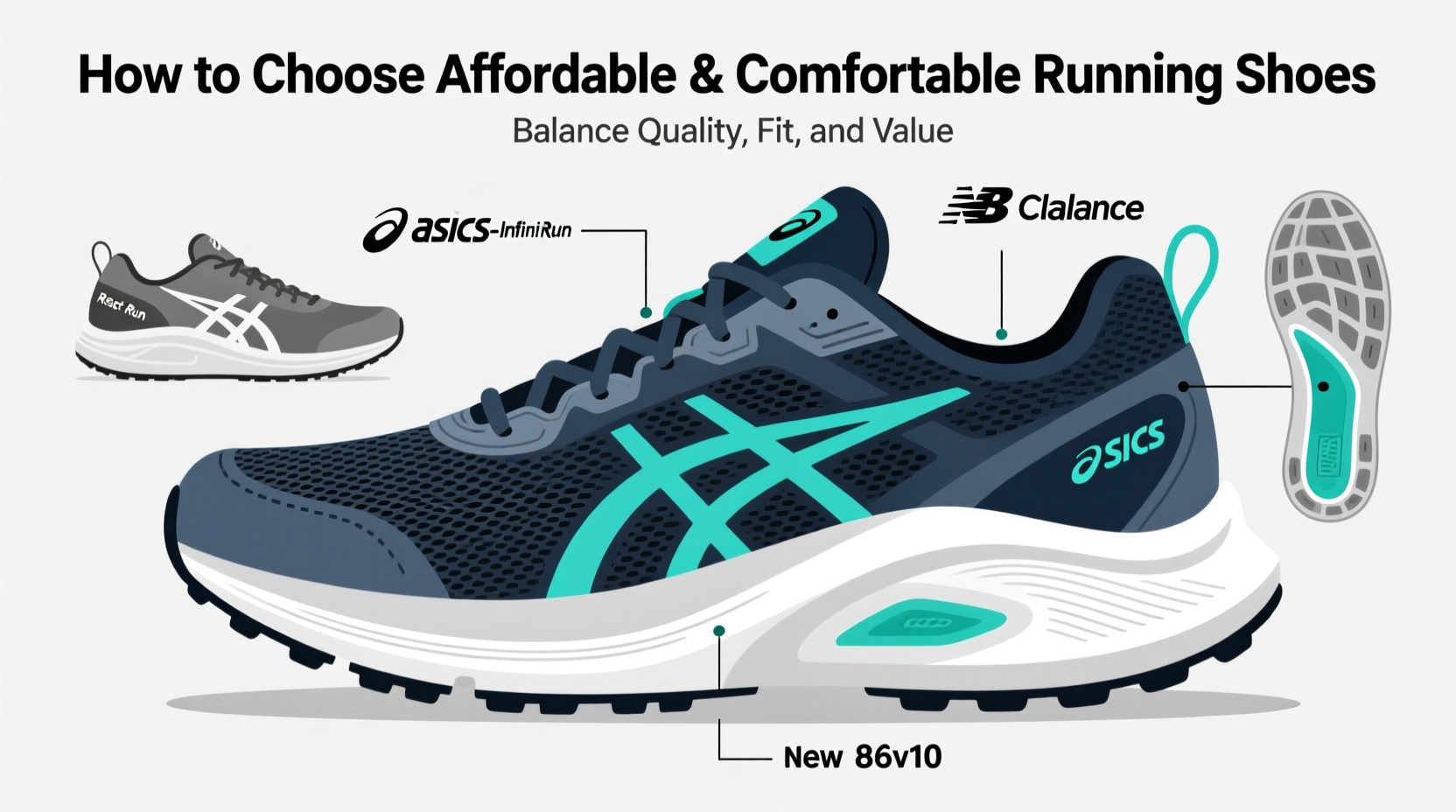
Before considering price or brand, identify how your foot moves during a run. Your gait—how your foot strikes the ground—determines the kind of support you need. Overpronation (inward rolling), underpronation (supination), or neutral gait each benefit from different shoe designs.
Visit a specialty running store where staff can analyze your gait through treadmill observation or pressure mapping. Some stores offer this service for free, even if you don’t buy on the spot. Knowing whether you need stability, motion control, or neutral cushioning eliminates guesswork and prevents wasted spending on unsuitable models.
“Many runners wear shoes that don’t match their biomechanics. That mismatch leads to discomfort, inefficiency, and injury over time.” — Dr. Lena Reyes, Sports PodiatristTip: Wet test at home: Step on a piece of paper with wet feet. A full imprint suggests overpronation; a narrow outer print indicates supination.
Focus on Fit, Not Brand Hype
Premium brands often charge more for marketing and athlete endorsements, not necessarily better materials or engineering. While some high-end models do offer advanced foam or carbon plates, most runners don’t need race-day technology for daily training.
Instead, prioritize fit. A well-fitting shoe reduces blisters, hot spots, and long-term joint stress. Always try shoes later in the day when feet are slightly swollen—this mimics running conditions. Leave about a thumb’s width between your longest toe and the shoe’s end. The midfoot should feel snug but not tight, and the heel should lock in without slipping.
- Width matters: If your feet splay or feel pinched, consider wide-width options.
- Toe box shape: Match it to your foot. Some brands like Altra offer foot-shaped toe boxes.
- Break-in period: Most quality shoes should feel comfortable immediately, though minor adjustments occur over 5–10 miles.
Smart Timing: When to Buy for Maximum Value
Timing your purchase is one of the most effective ways to save money without compromising quality. Running shoes follow predictable release cycles and discount patterns.
- New model releases (February–April): Brands launch updated versions of popular lines. Last year’s models get marked down by 30–50%.
- Holiday sales (November–December): Black Friday, Cyber Monday, and post-holiday clearance events offer deep discounts.
- End-of-season clearances (July–August): Retailers make room for fall inventory.
- Return season sales (January): Post-holiday returns flood outlets and online resale platforms.
Buying previous-generation models is especially smart. Often, only minor updates—like a new upper fabric or colorway—are changed. The core midsole, outsole, and support remain identical.
| Brand | Current Model Price | Previous Model Discount Range | Typical Savings |
|---|---|---|---|
| Brooks Ghost 15 | $140 | $90–$110 | $30–$50 |
| ASICS Gel-Nimbus 25 | $160 | $100–$125 | $35–$60 |
| Hoka Clifton 9 | $145 | $95–$115 | $30–$50 |
| Nike Pegasus 40 | $130 | $80–$100 | $30–$50 |
Explore Alternative Retail Channels
You don’t have to buy directly from brand websites or major retailers. Several alternative sources offer genuine, high-quality running shoes at lower prices.
- Outlet stores: Nike, Adidas, and ASICS operate official outlets with factory seconds and past-season stock.
- Online marketplaces: Sites like eBay, Backcountry, and Zappos often list gently used or open-box shoes in excellent condition.
- Running clubs and forums: Local groups sometimes resell lightly worn shoes after races or upgrades.
- Retailer closeout sections: Check “Clearance” tabs regularly—new deals appear weekly.
Be cautious with third-party sellers. Verify authenticity by checking reviews, return policies, and seller ratings. Avoid deals that seem too good to be true—counterfeit athletic shoes are common online.
Mini Case Study: Sarah’s Smart Shoe Strategy
Sarah, a recreational runner from Denver, needed new shoes after logging 200 miles in her old pair. She wanted comfort and durability but didn’t want to spend $150. Instead of buying the latest model, she visited a local running store for a gait analysis, which revealed she was a neutral runner with a moderate arch.
The staff recommended the Brooks Ghost 14—a reliable, cushioned shoe that had just been replaced by the Ghost 15. She found a pair online for $99 during a Memorial Day sale. After six months and over 300 miles, Sarah reports no pain, minimal wear, and complete satisfaction. By skipping the newest model and focusing on fit, she saved $40 and got the same performance.
Checklist: How to Buy Affordable, High-Quality Running Shoes
Action Plan:
- Get a gait analysis at a specialty running store.
- Determine your foot type and required support level.
- Research last year’s models of top-rated shoes.
- Set price alerts or sign up for sale notifications.
- Try shoes in-store or order from retailers with free returns.
- Inspect fit: check toe space, heel lock, and midfoot hold.
- Purchase during peak discount periods (e.g., Black Friday, July clearance).
- Avoid overbuying features—only pay for what your running needs.
FAQ
Can affordable running shoes last as long as expensive ones?
Yes. Most running shoes last 300–500 miles regardless of price. Durability depends more on materials and usage than cost. Well-made budget models often use the same rubber compounds and EVA foams as premium lines.
Is it safe to buy used running shoes?
It depends. Used shoes may have lost cushioning or developed structural wear. However, lightly worn pairs from non-overweight runners with similar gait patterns can be a bargain. Inspect tread, midsole compression, and odor before purchasing.
Do I need different shoes for road vs. trail running?
If you run primarily on trails, yes. Trail shoes offer aggressive treads, rock plates, and reinforced uppers. But if you're mostly on pavement, a durable road shoe provides better comfort and value. Don’t overspecialize unless your terrain demands it.
Final Thoughts: Quality Doesn’t Have to Cost More
Choosing affordable running shoes isn’t about cutting corners—it’s about making informed decisions. Comfort comes from proper fit, not price tags. Longevity stems from construction and usage, not branding. By understanding your body, shopping strategically, and avoiding unnecessary upgrades, you gain performance and savings simultaneously.
Don’t let marketing budgets dictate your choices. Focus on function, leverage timing, and trust your feet. The best running shoe is the one that supports your stride, survives your mileage, and respects your budget—all without compromise.
💬 Found a great deal on quality running shoes? Share your story or tip in the comments—help fellow runners step into comfort without overspending!








