Traveling internationally should be exciting, not stressful. Yet one overlooked item—the passport holder—can make or break your experience at border control, security checkpoints, or even when boarding a flight. A flimsy or poorly designed holder may split at the seams, lose important documents, or fail to protect against theft and moisture. Choosing the right durable passport holder isn’t just about style; it’s about function, longevity, and peace of mind. With so many options on the market, understanding what truly makes a passport holder reliable can save you time, money, and hassle in the long run.
Why Durability Matters in a Passport Holder
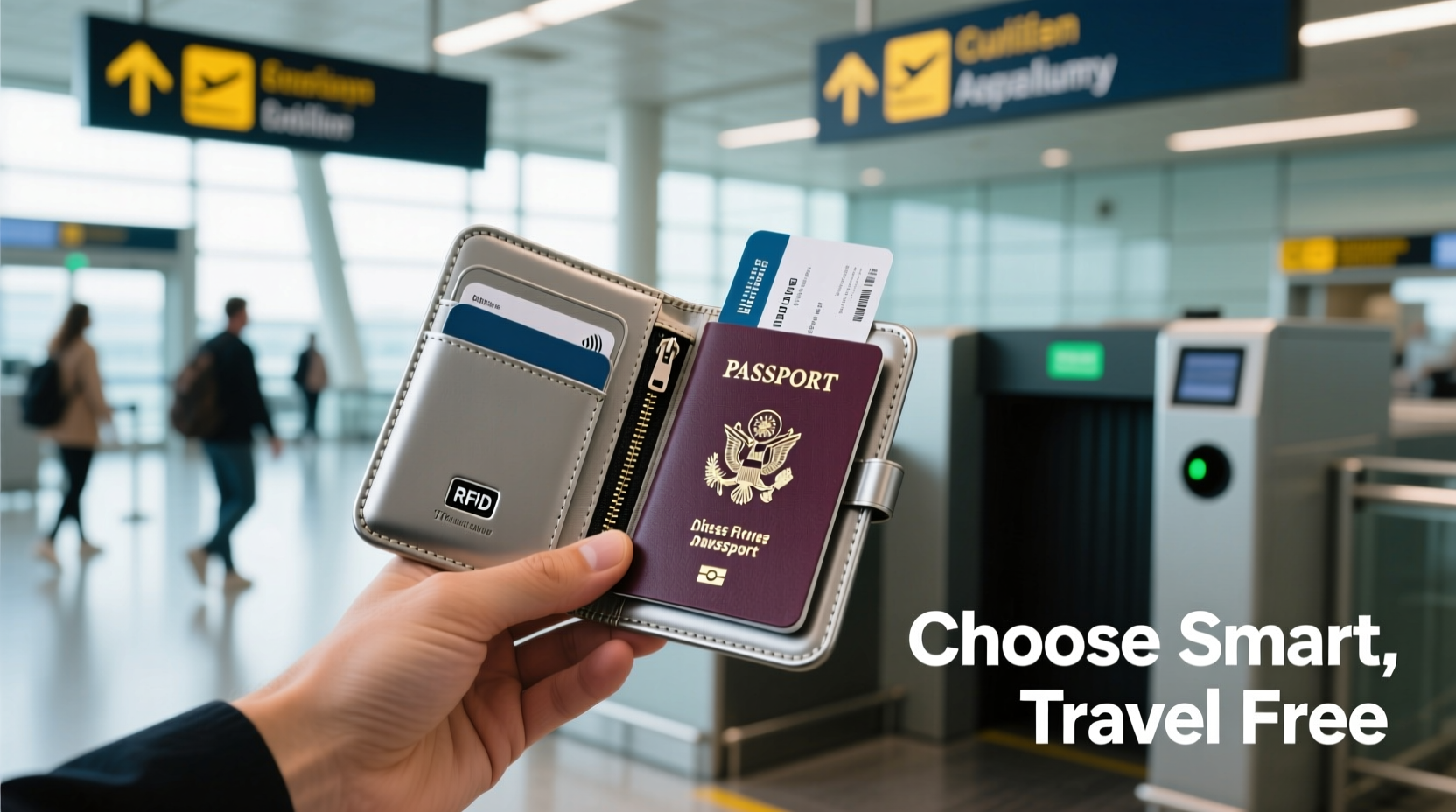
Your passport is among the most critical documents you carry while traveling. It’s also surprisingly vulnerable—exposed to wear from frequent handling, environmental factors like humidity and UV light, and risks such as pickpocketing or accidental loss. A high-quality, durable passport holder acts as both armor and organizer. It shields your passport from physical damage, keeps essential items together, and streamlines access during airport procedures.
Durability doesn’t only refer to material strength. It encompasses stitching quality, closure mechanisms, resistance to weather conditions, and overall structural integrity. A well-built holder will endure years of use across continents without fraying, tearing, or losing shape—even under daily strain.
Tip: Avoid ultra-thin or fabric-based holders if you frequently travel; they often lack structural support and degrade quickly.Key Features of a Durable Passport Holder
When evaluating durability, focus on these core components:
- Material Quality: Full-grain leather, ballistic nylon, or reinforced synthetic fabrics offer superior resilience compared to bonded leather or thin polyester.
- Stitching: Double-stitched or bar-tacked seams prevent unraveling, especially at stress points like corners and closures.
- Closure Type: Zippers provide better security than flap folds or magnets, which can accidentally open.
- Water Resistance: Look for water-repellent coatings or inherently moisture-resistant materials to protect against spills and rain.
- RFID Protection: While not directly related to physical durability, integrated RFID-blocking layers add functional longevity by preventing digital theft over time.
“Passport holders made with full-grain leather develop a rich patina over time and actually become more comfortable with use—without sacrificing strength.” — Daniel Reyes, Travel Gear Designer at Nomadics Studio
Comparing Materials: What Lasts Longest?
The choice of material significantly impacts how long your passport holder will last. Below is a comparison of common materials used in premium travel accessories:
| Material | Durability | Water Resistance | Maintenance Needs | Lifespan (with care) |
|---|---|---|---|---|
| Full-Grain Leather | ★★★★★ | ★★★☆☆ | Occasional conditioning | 5–10+ years |
| Ballistic Nylon | ★★★★☆ | ★★★★☆ | Wipe clean | 4–7 years |
| Bonded Leather | ★★☆☆☆ | ★☆☆☆☆ | Low maintenance but prone to peeling | 1–3 years |
| Recycled PET Fabric | ★★★☆☆ | ★★★★☆ | Machine washable | 3–5 years |
| Polyester/Cotton Blend | ★☆☆☆☆ | ★☆☆☆☆ | Frequent spot cleaning | 1–2 years |
For travelers who value both aesthetics and endurance, full-grain leather remains the gold standard. Though initially stiffer, it softens naturally and resists cracking far longer than cheaper alternatives.
Step-by-Step Guide to Selecting Your Ideal Passport Holder
Follow this practical sequence to ensure you select a passport holder that stands up to real-world demands:
- Assess Your Travel Frequency: Frequent flyers need rugged builds; occasional travelers might prioritize compactness.
- Determine Necessary Capacity: Do you need space for multiple passports, boarding passes, credit cards, or visas? Overstuffing weakens materials over time.
- Check Closure Mechanism: Test zippers for smooth operation and secure stops. Avoid magnetic flaps if you carry the holder in crowded areas.
- Evaluate Interior Layout: Dedicated slots reduce friction on your passport cover and help organize essentials efficiently.
- Verify Water and RFID Protection: Especially important for tropical destinations or urban travel where electronic theft is prevalent.
- Inspect Stitching and Edges: Look for even, tight stitching and sealed edges to prevent fraying.
- Read User Reviews Focused on Longevity: Pay attention to feedback mentioning “still going strong after two years” rather than just initial impressions.
Real-World Example: The Bangkok Airport Incident
Sarah Kim, a freelance photographer based in Seoul, learned the importance of durability the hard way. During a monsoon-season layover in Bangkok, her fabric passport holder—purchased for its minimalist design—absorbed rainwater after being briefly left near a leaky terminal window. The lining delaminated within hours, causing her visa pages to stick together and smudge. Worse, the weak stitching gave way when she tried to retrieve her boarding pass, spilling her ID and hotel reservation into a busy corridor.
She now uses a full-grain leather holder with RFID shielding and a waterproof zipper. “It’s heavier than my old one,” she says, “but I’ve dropped it in puddles, stuffed it in overhead bins, and even sat on it—and it still looks sharp after 18 months of constant use.”
Essential Checklist Before You Buy
Use this checklist to evaluate any passport holder before purchasing:
- ✅ Made from full-grain leather, ballistic nylon, or similarly robust material
- ✅ Double-stitched seams at all stress points
- ✅ Secure closure (zipper preferred)
- ✅ Includes RFID-blocking layer for card slots
- ✅ Water-resistant or treated outer surface
- ✅ Fits passport plus at least two boarding passes and three cards
- ✅ Lightweight (under 4 oz / 115 g) for ease of carry
- ✅ Neutral color or design to avoid drawing attention in high-theft areas
Frequently Asked Questions
Can I machine-wash my passport holder?
No. Even holders made from washable fabrics should be cleaned manually with a damp cloth and mild soap. Machine washing can damage internal RFID layers, warp structure, and weaken adhesives.
How do I maintain a leather passport holder?
Condition it every 3–6 months using a leather-specific conditioner. Wipe off dust regularly and store it in a breathable cotton pouch when not in use. Avoid prolonged exposure to direct sunlight or heat sources.
Is RFID protection really necessary?
Yes, especially if you travel through major cities or use contactless payment cards. Skimming devices can steal data wirelessly within seconds. A shielded passport holder blocks unauthorized scanning and protects your identity over repeated trips.
Final Thoughts: Invest in Peace of Mind
A durable passport holder is more than an accessory—it’s a small investment with outsized returns in convenience, security, and confidence. Whether you're navigating a chaotic train station in Istanbul or clearing immigration in Toronto, knowing your documents are protected allows you to focus on the journey, not the logistics. Don’t compromise on craftsmanship for the sake of aesthetics or price. Choose a holder built to last, test it under real conditions, and treat it with simple care. Over time, it will become a trusted companion on every international adventure.
🚀 Ready to upgrade your travel gear? Review your current passport holder against the checklist above—and share your favorite durable picks in the comments to help fellow travelers make smarter choices.








