Traveling internationally should be exciting—not stressful. Yet one of the most overlooked items in your carry-on can cause unexpected frustration: your passport cover. A flimsy or poorly designed cover might seem harmless until it splits at customs, fails to protect against spills, or slips from your hand during a chaotic airport transfer. Choosing a durable passport cover isn’t just about aesthetics; it’s about safeguarding one of your most essential travel documents. With the right selection, you gain peace of mind, enhanced organization, and long-term value. This guide breaks down what truly makes a passport cover durable, what features matter most, and how to pick one that lasts through dozens of journeys.
Why Durability Matters in a Passport Cover
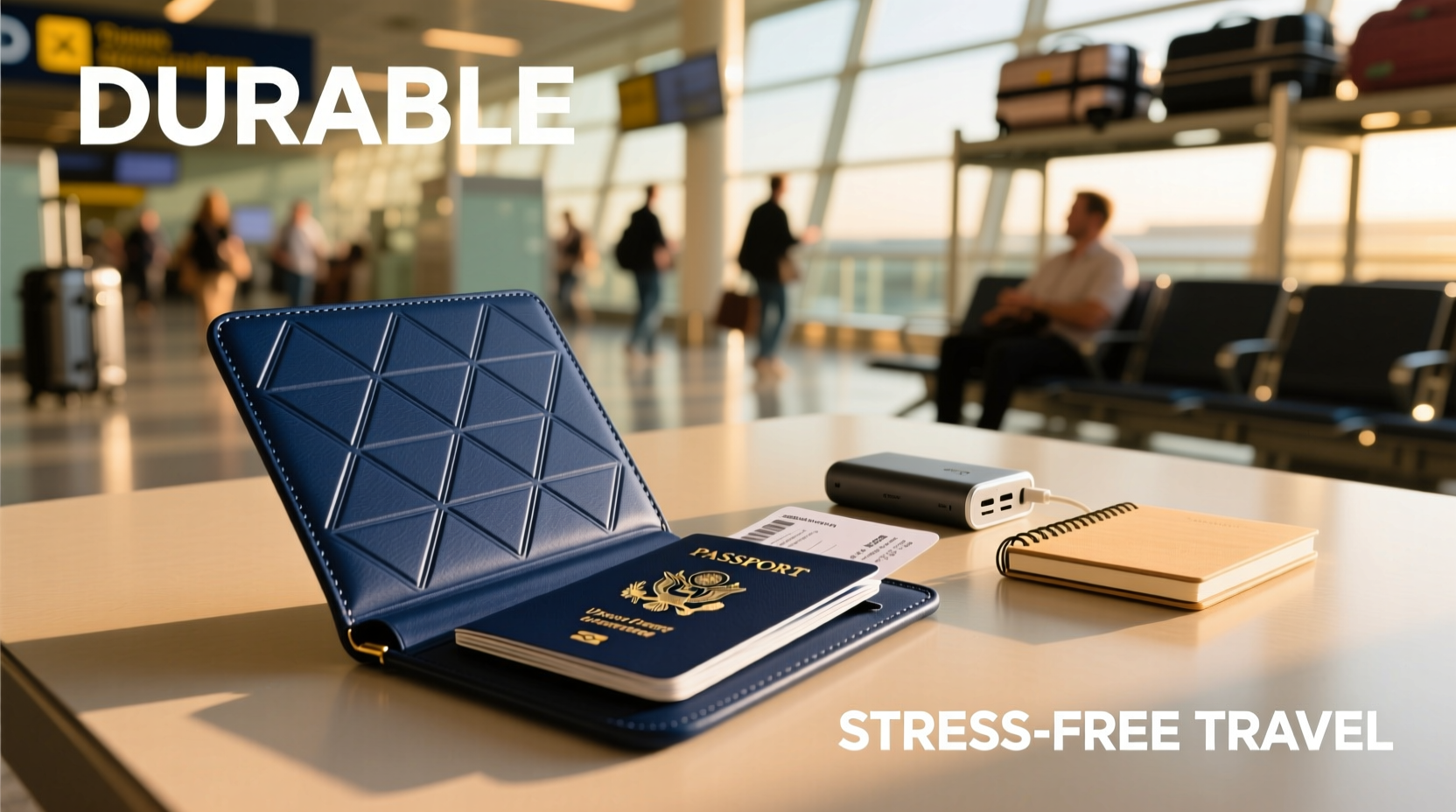
Your passport is more than a document—it’s your identity abroad. Exposure to moisture, rough handling by airline staff, frequent removal at security checkpoints, and accidental drops all take a toll. A weak cover offers minimal protection and often degrades after just a few trips. Durable covers, on the other hand, act as a first line of defense. They resist scuffs, prevent bending, and maintain structural integrity even under pressure.
Consider this: during a 14-day Southeast Asia trip involving multiple flights, border crossings, and humid conditions, a traveler using a thin synthetic cover found the corners frayed and the interior lining detached by day ten. In contrast, another traveler using a full-grain leather cover reported no wear after two years of frequent use. The difference lies in material quality, construction, and thoughtful design.
“Durability in travel accessories starts with material integrity and ends with functional design. A passport cover must survive daily friction without compromising protection.” — Marcus Lin, Travel Gear Designer at TerraNomad
Key Materials That Stand the Test of Time
The material of your passport cover determines its lifespan, feel, and resistance to environmental factors. Not all materials are created equal. Here’s a breakdown of the most common options and how they perform:
| Material | Durability | Water Resistance | Weight | Lifespan Estimate |
|---|---|---|---|---|
| Full-Grain Leather | ★★★★★ | High (naturally water-resistant) | Medium | 3–5+ years |
| Cowhide Leather | ★★★★☆ | Moderate | Medium | 2–4 years |
| Recycled PET Fabric | ★★★☆☆ | High (treated) | Light | 1–2 years |
| Synthetic PU Leather | ★★☆☆☆ | Low | Light | 6 months–1 year |
| Nylon with Coating | ★★★☆☆ | High | Light | 1–2 years |
Full-grain leather stands out as the gold standard. It develops a patina over time, becoming more characterful rather than worn-out. Cowhide is slightly less refined but still robust. For eco-conscious travelers, high-density recycled PET fabric (made from plastic bottles) offers impressive resilience and water resistance, though it may lack the premium feel of leather.
Tip: Avoid bonded leather or vinyl—these materials crack easily and offer poor longevity, especially in fluctuating climates.Essential Features of a High-Performance Passport Cover
Durability isn’t only about material. Smart design enhances both function and endurance. Look for these key features when selecting a cover:
- Reinforced stitching: Double-stitched seams prevent unraveling, especially at stress points like edges and pockets.
- RFID-blocking layer: Protects against digital skimming in crowded areas like airports and train stations.
- Interior card slots: Allow storage of boarding passes, ID, or credit cards without overstuffing the main compartment.
- Secure closure: Elastic bands or snap buttons keep the passport from slipping out during transit.
- Compact profile: Should fit comfortably in a front jacket pocket or small crossbody bag without bulk.
- Water-resistant finish: Especially important for tropical destinations or rainy cities.
A well-designed cover balances slimness with protection. Overly thick models may shield your passport but become cumbersome. The ideal thickness is between 3–5mm, offering cushioning without sacrificing portability.
Step-by-Step Guide to Choosing Your Ideal Cover
Selecting the right passport cover doesn’t have to be overwhelming. Follow this simple process to make an informed decision:
- Assess your travel frequency: Frequent flyers need maximum durability (leather or reinforced fabric), while occasional travelers may opt for lighter, budget-friendly options.
- Determine your climate exposure: If traveling to humid, wet, or sandy environments, prioritize water resistance and sealed seams.
- Check for RFID protection: Ensure the product explicitly states “RFID-blocking” with shielding material (usually metallic mesh).
- Evaluate interior layout: Choose based on whether you need space for cards, tickets, or currency.
- Read user reviews: Focus on long-term feedback mentioning wear after six months or more.
- Test the closure mechanism: If possible, try the elastic band or snap button strength—should hold firmly without stretching.
- Verify ethical sourcing: Opt for brands that disclose material origins and manufacturing practices, especially for leather goods.
Real-World Example: From Failure to Functionality
Sophie, a digital nomad based in Lisbon, used a $12 faux-leather passport cover for her first year of travel across Europe and North Africa. By month nine, the corner stitching had split, the RFID layer peeled away, and the surface cracked after being left in direct sunlight on a beach in Morocco. On a flight from Marrakech to Paris, her passport nearly fell out during turbulence. After researching durable alternatives, she invested in a full-grain leather cover with double stitching and a secure elastic band. Two years later, it remains intact, showing only light scuffing—a natural part of the leather’s aging process. “It feels better every time I use it,” she says. “And I don’t worry about losing my passport anymore.”
What to Avoid: Common Passport Cover Mistakes
Even experienced travelers make missteps when choosing a passport cover. Steer clear of these common pitfalls:
- Overloading the cover: Storing too many cards or cash can warp the structure and weaken seams.
- Ignoring care instructions: Leather needs occasional conditioning; synthetic fabrics should be wiped clean—don’t assume all materials are maintenance-free.
- Choosing style over substance: Embellishments like sequins or glued-on logos may look appealing but reduce durability.
- Skipping RFID protection: In high-theft areas, digital identity theft is a real risk—don’t overlook this feature.
- Buying unbranded or no-name products: Unknown manufacturers often cut corners on materials and quality control.
FAQ: Your Top Passport Cover Questions Answered
Can a passport cover go through airport scanners?
Yes, but remove it before placing your documents in the bin. While most modern scanners can read passports through thin covers, TSA and EU security guidelines recommend removing all outer layers to avoid delays. RFID-blocking covers are safe to use but should still be taken out for inspection.
How do I clean and maintain a leather passport cover?
Wipe gently with a dry or slightly damp cloth. For deeper cleaning, use a leather conditioner every 3–6 months to prevent drying and cracking. Avoid soaking or using alcohol-based cleaners, which strip natural oils.
Are there travel-specific certifications for passport covers?
There’s no universal certification, but look for brands that test their products for abrasion resistance, water penetration, and RFID shielding efficiency. Reputable companies often publish lab results or third-party verification.
Final Checklist Before You Buy
- ✅ Material is full-grain leather, cowhide, or high-density recycled fabric
- ✅ Reinforced stitching at all seams
- ✅ Includes RFID-blocking layer (verified in product description)
- ✅ Has at least one interior card slot or pocket
- ✅ Features a secure closure (elastic band or snap button)
- ✅ Compact size fits in jacket or shirt pocket
- ✅ Water-resistant or treated for moisture protection
- ✅ Positive long-term user reviews (6+ months of use reported)
Conclusion
A durable passport cover is more than an accessory—it’s a practical investment in smoother, safer travel. By focusing on high-quality materials, intelligent design, and proven performance, you can avoid the anxiety of damaged documents and focus on what matters: exploring new cultures, making memories, and enjoying the journey. Whether you're embarking on a round-the-world adventure or planning your first overseas trip, take a moment to evaluate your current cover. If it doesn’t meet the standards of durability and functionality, now is the perfect time to upgrade.
🚀 Ready to travel with confidence? Choose a passport cover built to last, and step into your next destination with everything you need—protected and within reach.








