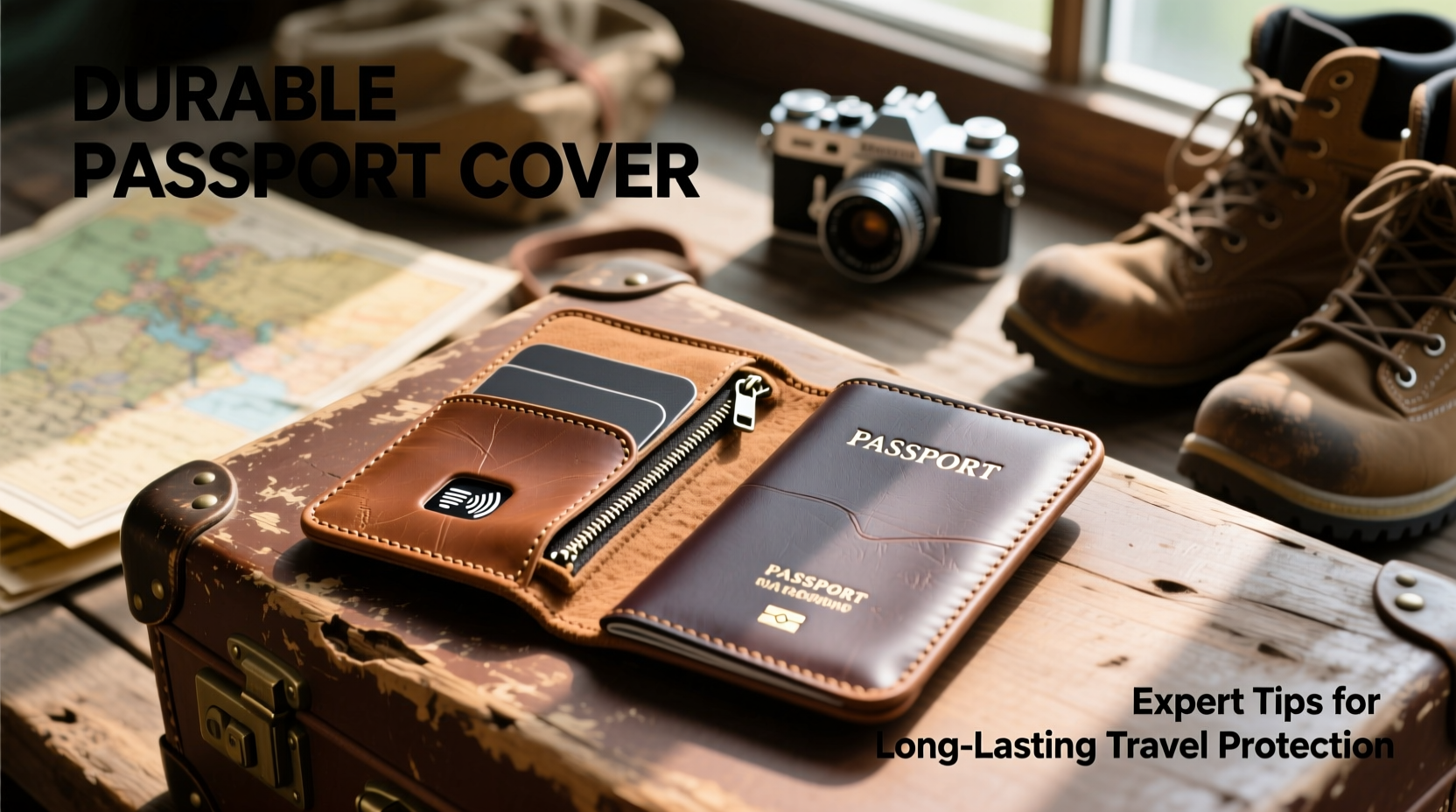
Traveling should be about adventure, not anxiety over damaged documents. A passport is one of the most critical items you carry—and its condition matters. A worn, bent, or water-damaged passport can lead to delays at borders or even denial of entry. That’s why choosing a durable passport cover isn’t just about style; it’s a practical necessity. With so many options available—from leather sleeves to RFID-blocking wallets—it's easy to overlook what truly makes a cover last. This guide breaks down the key factors that determine durability, backed by expert insights and real-world use cases.
Understand What Makes a Passport Cover Durable
Durability isn’t just about thickness or brand reputation. It stems from material quality, construction method, design functionality, and resistance to environmental stressors like moisture, friction, and UV exposure. A well-made cover protects against daily wear: being shoved into pockets, dropped in transit, or exposed to spills.
The best covers balance protection with accessibility. Overly bulky designs may offer shielding but hinder quick document checks at security checkpoints. Conversely, ultra-thin sleeves often sacrifice longevity for portability. The sweet spot lies in materials that resist tearing, maintain shape after repeated use, and include thoughtful reinforcements like stitched edges or corner guards.
Tip: Look for double-stitched seams—single stitching is more prone to unraveling under pressure.Material Matters: Comparing Longevity Across Types
The choice of material significantly impacts how long your passport cover lasts. Each has strengths and weaknesses depending on your travel habits.
| Material | Lifespan (with regular use) | Pros | Cons |
|---|---|---|---|
| Genuine Leather | 3–7 years | Natural water resistance, ages beautifully, premium feel | Requires conditioning, sensitive to extreme heat/humidity |
| Synthetic (Polyurethane/PVC) | 1–3 years | Affordable, water-resistant, low maintenance | Can crack over time, less breathable, eco-concerns |
| Nylon or Ballistic Fabric | 4+ years | Lightweight, abrasion-resistant, dries quickly | Less formal appearance, may retain odors |
| Recycled PET / Eco-Friendly Fabrics | 2–5 years | Sustainable, increasingly durable, modern look | Performance varies by brand; newer technology |
Leather remains a top pick among frequent travelers due to its resilience and ability to develop a patina rather than degrade. However, high-quality synthetic alternatives have improved dramatically, especially when reinforced with mesh lining or rubberized coatings.
“Durability starts with material integrity. A passport cover should survive accidental drops, airport conveyor belts, and humidity changes without warping.” — Marcus Lin, Travel Gear Designer at TerraNomad Labs
Design Features That Enhance Protection and Longevity
Beyond material, smart design choices make a significant difference in lifespan. Consider these features when evaluating options:
- Rounded Corners: Reduce fraying and prevent sharp bends that damage passport pages.
- RFID Shielding: While primarily a security feature, metalized linings also add structural rigidity.
- Interior Padding: Thin foam or felt layers absorb impact and reduce creasing during handling.
- Secure Closure: Elastic bands or snap buttons prevent the passport from slipping out, reducing drop risks.
- Minimalist Interior Layout: Avoid bulky card slots if you only need passport storage—extra compartments increase stress points.
Covers with multiple card slots are convenient but often stretch over time, especially when filled. If you must carry ID or boarding passes, opt for models with vertical slots and limited capacity (2–3 cards max) to avoid distorting the main sleeve.
Real Example: The Bangkok Airport Test
Sophie, a freelance photographer traveling through Southeast Asia, tested five different passport covers over six months. She carried her documents through humid markets, monsoon rains, and chaotic airport lines. After three months, two synthetic models showed visible cracking along the folds. One leather cover, though initially stiff, softened nicely and resisted water splashes thanks to a beeswax finish. By month six, only the full-grain leather and ballistic nylon covers remained fully functional. Her takeaway? “The ones that looked cheapest didn’t last half as long, even though I treated them all the same.”
Step-by-Step Guide to Choosing Your Ideal Cover
- Assess Your Travel Frequency: Occasional travelers might prioritize slim profiles, while frequent flyers need rugged builds.
- Determine Climate Exposure: Humid destinations call for mildew-resistant materials; cold climates favor flexible synthetics or conditioned leather.
- Check Passport Dimensions: Ensure the interior fits your country’s passport size snugly—loose fits allow movement and wear.
- Evaluate Closure Type: Choose between open sleeves (fast access), elastic bands (secure yet simple), or zippers (maximum safety but slower).
- Inspect Stitching and Edges: Run your finger along seams. No loose threads. Edges should be sealed or painted to prevent fraying.
- Test Flexibility: Bend the cover gently. It should return to shape without creasing or creaking excessively.
- Verify Warranty or Brand Reputation: Reputable brands often back their products with 1–2 year guarantees against manufacturing defects.
Common Mistakes That Shorten Passport Cover Life
Even the best cover won’t last if misused. Avoid these pitfalls:
- Overstuffing: Jamming extra tickets, receipts, or too many cards strains seams and distorts shape.
- Exposure to Direct Sunlight: UV rays fade colors and dry out leather, making it brittle.
- Storing When Damp: Moisture trapped inside leads to mold, especially in synthetic linings.
- Using Harsh Cleaners: Alcohol-based wipes can strip finishes and degrade adhesives.
“A passport cover is only as strong as its weakest point. Most failures start at the corners or stitching—areas under constant stress.” — Dana Patel, Product Durability Analyst at Global Travel Goods Institute
Essential Care Tips for Maximum Lifespan
Proper maintenance extends durability regardless of material:
- Wipe down after international trips with a slightly damp cloth; let air dry completely before reuse.
- Condition leather every 3–4 months using a pH-balanced cream to prevent cracking.
- Store flat or upright in a cool, dry drawer—not crammed in a suitcase corner.
- Avoid folding or bending sharply, even during storage.
Frequently Asked Questions
Do RFID-blocking passport covers last longer?
Not necessarily. The RFID layer (usually metallic foil) adds stiffness but doesn’t improve overall durability. In fact, repeated bending can cause the shielding to delaminate, shortening lifespan if poorly constructed.
Is a thicker cover always better?
No. Excessive thickness adds bulk and may interfere with passport scanning at e-gates. Focus on material density and reinforcement instead of sheer size. A well-designed thin cover can outperform a clumsy thick one.
How often should I replace my passport cover?
Replace it when you notice persistent creases, loose stitching, cracked surfaces, or difficulty inserting/removing your passport. For average use, every 2–4 years is typical. High-use travelers may need replacements annually unless using premium-grade gear.
Final Thoughts: Invest in Peace of Mind
A durable passport cover is a small investment with outsized returns: safeguarding your identity, streamlining travel logistics, and preserving one of your most important documents. Don’t settle for flimsy accessories sold at airport kiosks. Instead, apply the principles of material integrity, intelligent design, and consistent care. Whether you prefer classic leather elegance or modern technical fabrics, prioritize craftsmanship over trends.
🚀 Your next journey deserves reliable protection. Take 10 minutes today to evaluate your current passport cover—or upgrade to one built to last. Share your favorite durable travel gear in the comments and help others travel smarter.








