Selecting the right gym bag goes beyond style or brand appeal. Whether you're commuting to the gym, heading out for weekend training, or packing for a short trip, your bag must endure daily wear, moisture exposure, and heavy loads without failing. A poorly constructed bag can break within months—zippers fail, seams split, and straps tear. Investing in a truly durable gym bag means evaluating materials, design, functionality, and real-world performance. This guide breaks down the essential features and provides expert-backed advice to help you make a smart, long-term choice.
Material Matters: What Makes a Bag Last
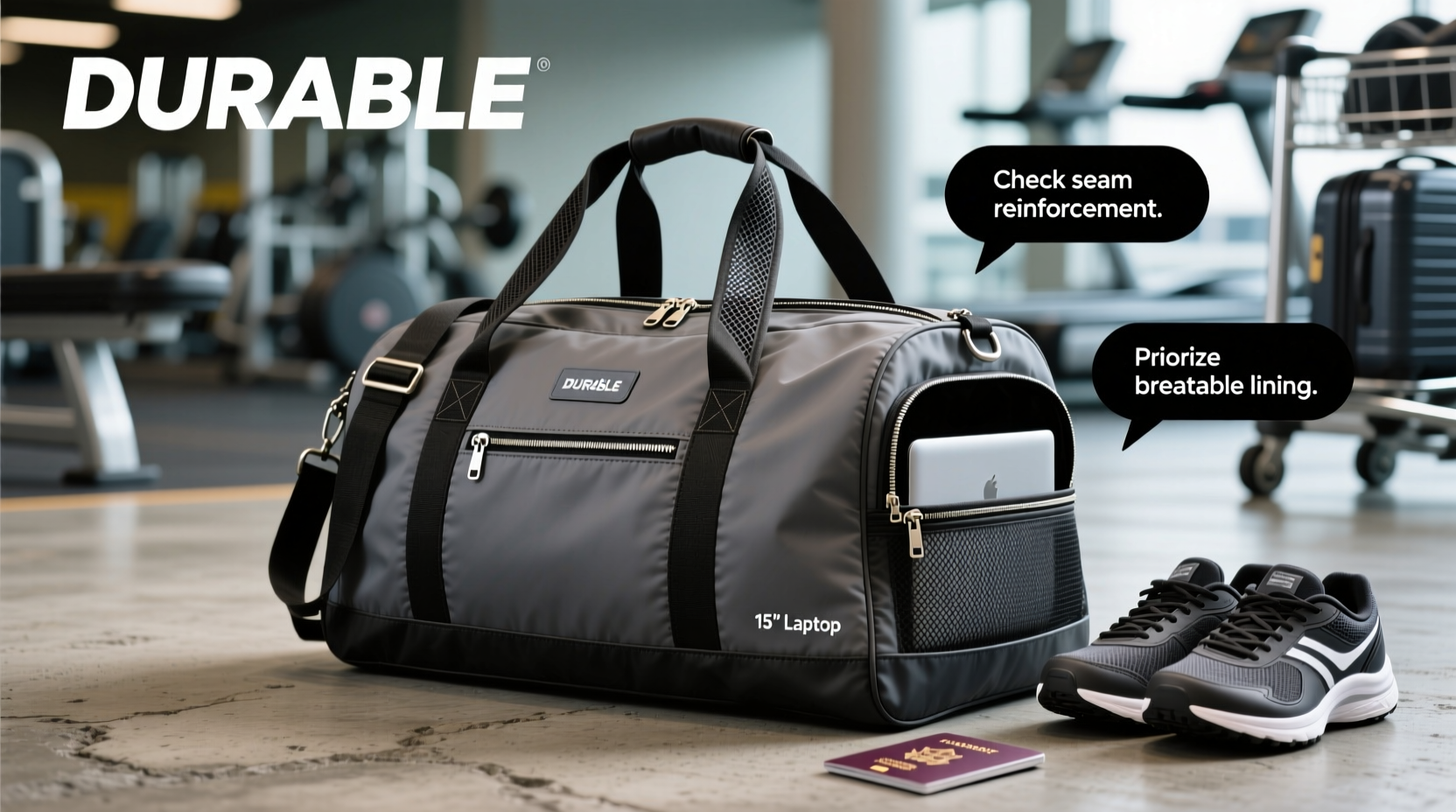
The foundation of durability lies in the fabric. Not all materials are created equal when it comes to resisting abrasion, water, and frequent use. The most common options include polyester, nylon, ballistic weave, canvas, and leather—each with distinct advantages and drawbacks.
| Material | Durability | Water Resistance | Weight | Best For |
|---|---|---|---|---|
| Nylon (600D–1000D) | High | Good (especially coated) | Light to medium | Daily gym use, travel |
| Polyester | Moderate to high | Fair (varies by coating) | Light | Budget-friendly options |
| Ballistic Nylon | Exceptional | Excellent | Medium to heavy | Heavy-duty users, athletes |
| Cotton Canvas | Moderate | Poor (unless waxed) | Medium | Style-focused, light use |
| Leather | High (with care) | Poor (needs conditioning) | Heavy | Professional or luxury look |
For serious durability, opt for 900D or higher denier fabrics. Ballistic nylon, originally used in military gear, resists tearing and scuffing better than standard materials. Look for polyurethane (PU) or silicone coatings that enhance water resistance without sacrificing breathability.
Tip: Avoid bags made from recycled plastic bottles unless they specify high denier ratings—many lightweight “eco” fabrics lack structural strength.Structural Design: Features That Prevent Premature Wear
A strong material won’t save a bag with weak construction. Pay attention to stitching, reinforcements, and compartment layout. Double-stitched seams, especially at stress points like handles and strap anchors, significantly increase longevity.
- Reinforced bottom panels: Rubberized or thicker fabric bases prevent floor abrasion and protect contents.
- Padded shoulder straps: Ergonomic padding reduces strain and prevents strap fraying from constant friction.
- External compression straps: Help stabilize bulky loads and reduce internal stress on zippers and seams.
- Separate wet/dry compartments: Keep sweaty clothes isolated and minimize mold buildup inside the main cavity.
Zippers should be YKK or equivalent—a trusted brand known for reliability. Examine slider quality; metal sliders last longer than plastic. Avoid mesh pockets on high-wear areas—they tear easily under pressure.
“Most gym bag failures start at the seams or zipper tracks. Reinforced stitching and quality hardware are non-negotiables.” — Marcus Reed, Product Designer at Urban Gear Labs
Functional Layout: Organizing for Performance and Longevity
A well-organized bag reduces clutter, improves access, and minimizes unnecessary strain during use. Consider how you pack: Do you carry shoes? Laptop? Towels? Water bottle?
Look for these functional elements:
- Shoe compartment (ventilated): Keeps dirty soles separate and allows airflow to prevent odor buildup.
- Dedicated laptop sleeve (if needed): Padded and accessible without opening the main compartment.
- Multiple interior pockets: For small items like keys, headphones, or toiletries—reduces digging and fabric stretching.
- Side water bottle holders: Elastic or mesh sleeves that expand but don’t sag when empty.
- Top grab handle + adjustable shoulder strap: Offers carrying versatility and balanced weight distribution.
Real-World Example: Choosing the Right Bag for Frequent Travelers
Consider Sarah, a marketing consultant who travels weekly for work and hits the hotel gym each morning. She initially used a sleek leather duffel for its professional appearance, but after three months, the base scuffed from being dragged through airports, and the single strap caused shoulder pain. Moisture from her damp towel also stained the lining.
She switched to a hybrid travel-gym backpack made from 1000D nylon with a reinforced base, ventilated shoe compartment, and clamshell opening. The new bag survived 18 months of constant use, including international trips and daily workouts. Its modular design allowed quick access to essentials, and the water-resistant coating handled rainy commutes. Sarah’s experience underscores the importance of matching function to lifestyle—not just aesthetics.
Step-by-Step Guide to Selecting Your Ideal Gym Bag
Follow this practical process to avoid buyer’s remorse and ensure lasting value:
- Assess your primary use: Is it mainly gym-only, travel, or both? This determines size and feature priorities.
- Determine capacity needs: 30–40 liters suits most gym-goers; travelers may need 45+ liters with compression.
- Check material specs: Look for denier ratings (900D+), coated fabrics, and reputable brands like YKK zippers.
- Evaluate structural integrity: Inspect stitching, seam taping, and stress point reinforcements.
- Test ergonomics: If possible, try the bag with weight inside. Check strap comfort, balance, and ease of access.
- Review cleaning and maintenance: Can it be wiped down easily? Does it have removable linings or antimicrobial treatment?
- Compare warranties: Reputable brands offer 2–5 year guarantees against manufacturing defects.
Expert Tips Checklist: Quick Reference Before Buying
✅ Must-Have Features for Durability:- Denier rating of 900 or higher (nylon/polyester)
- Double-stitched seams at handles and straps
- YKK or equivalent heavy-duty zippers
- Reinforced bottom panel (rubberized or thick fabric)
- Ventilated shoe compartment
- Water-resistant exterior coating
- Lifetime or multi-year warranty
- Ergonomic, padded shoulder straps
- Clamshell or U-shaped opening for full visibility
- Side or end haul loops for alternate carrying
Frequently Asked Questions
Can I use a hiking backpack as a gym bag?
Yes, many hiking packs offer excellent durability and ventilation. However, they may lack dedicated shoe compartments or gym-specific organization. Choose one with removable hip belts and easy-access side pockets for better versatility.
How do I clean a smelly gym bag?
First, empty and shake out debris. Wipe the interior with a cloth dampened with water and mild soap. For odors, sprinkle baking soda inside, let sit overnight, then vacuum. Never machine-wash unless the manufacturer specifies it. Air-dry completely before storing.
Are duffel bags less durable than backpacks?
Not inherently. Duffels can be just as durable if built with strong materials and construction. However, backpacks distribute weight better, reducing strain on a single handle. If you carry heavy loads regularly, a backpack-style gym bag is often the smarter long-term choice.
Final Thoughts: Invest Once, Benefit for Years
A durable gym bag isn’t just about surviving the gym floor—it’s about adapting to your life. Whether you're sprinting between meetings, traveling across time zones, or squeezing in early-morning workouts, your gear should support you without constant replacement. By prioritizing high-denier materials, reinforced construction, smart organization, and real-world testing, you’ll find a bag that lasts years, not months.
Don’t settle for flimsy zippers or thin fabric disguised by bold branding. Focus on what matters: resilience, function, and thoughtful design. When you get it right, your gym bag becomes a reliable companion—ready for sweat, travel, and everything in between.
💬 Found your perfect gym bag? Share your top tip or favorite model in the comments—help others make a smarter choice!








