
A zero waste home bar isn’t about austerity or sacrifice—it’s about intentionality, respect for materials, and reimagining what hospitality means in an era of ecological urgency. It begins with questioning every bottle cap, every citrus peel, every paper coaster. Most home bars generate far more waste than we realize: single-use plastic straws, shrink-wrapped garnish trays, disposable cocktail napkins, non-recyclable bottle labels, and glass bottles destined for landfills because local facilities reject colored or mixed-glass streams. Building a zero waste bar requires shifting focus from convenience to continuity—choosing systems that close loops rather than open them. This isn’t a theoretical ideal; it’s a fully operational practice adopted by bartenders, sustainability educators, and mindful hosts across North America and Europe. What follows is a field-tested blueprint—not aspirational, but actionable.
1. Rethink Sourcing: Prioritize Local, Bulk, and Refillable
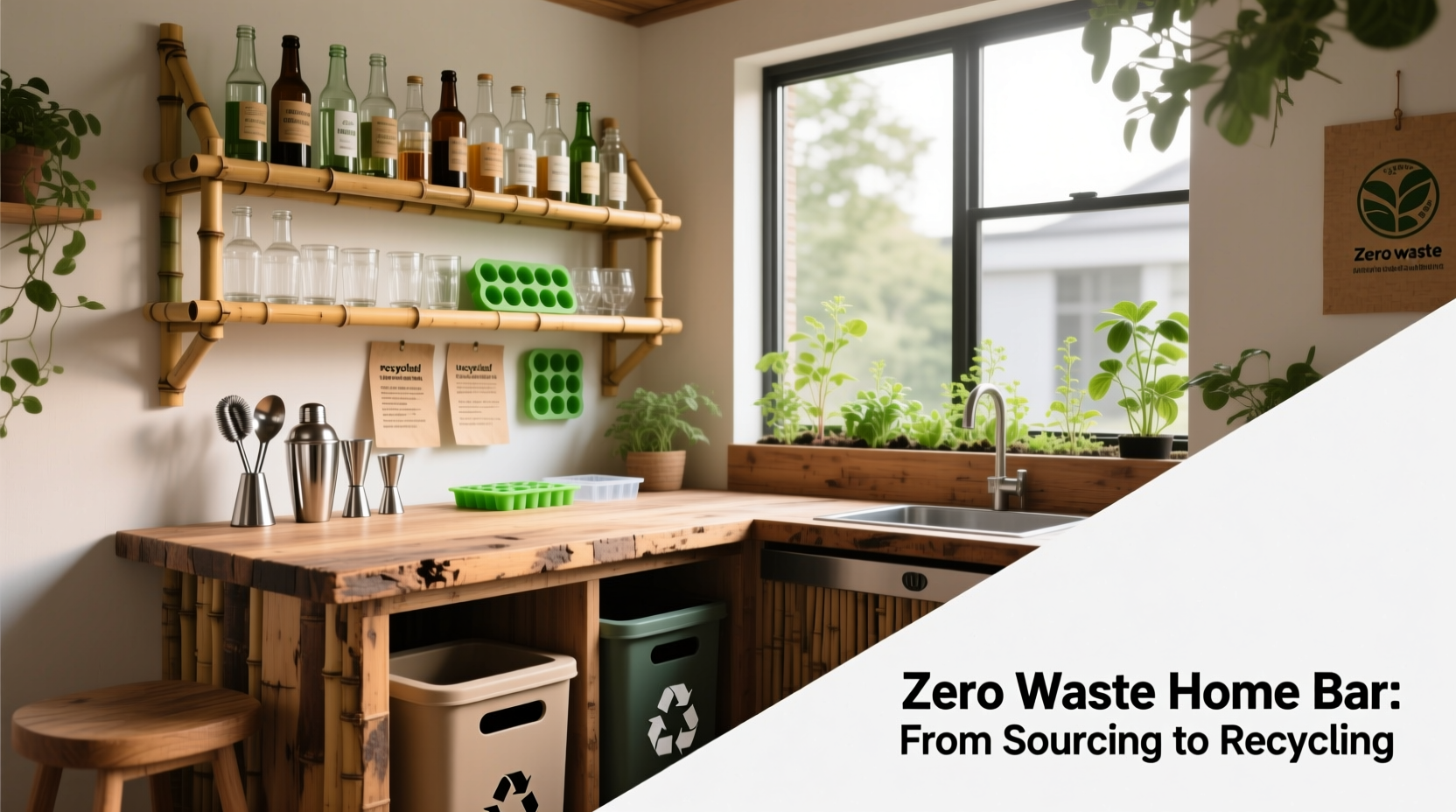
Waste begins long before the first shake. Over 70% of beverage-related carbon emissions stem from transportation, packaging, and production—not consumption. Start by auditing your current supply chain. Replace imported spirits in heavy glass with regional distilleries offering refill programs or returnable containers. In Portland, Oregon, House Spirits Distillery accepts empty 750ml bottles for cleaning and reuse; in Berlin, Die Bäckerei delivers gin and vermouth in stainless steel kegs via bicycle courier. Even without local infrastructure, you can source smarter: choose brands certified by B Corp or Sustainable Spirits Coalition, which mandate transparent supply chains, renewable energy use, and post-consumer recycled (PCR) packaging.
For mixers, skip shelf-stable bottled tonics and sodas. Instead, invest in a countertop soda siphon and make your own sparkling water with tap-filtered water and food-grade CO₂ cartridges (which are infinitely recyclable when returned to suppliers like SodaStream’s certified collection program). For syrups, buy organic cane sugar and local honey or maple syrup in bulk—then infuse your own using seasonal fruit peels, herb stems, or spent coffee grounds. One quart of house-made ginger syrup replaces six 12oz commercial bottles—and eliminates 300g of plastic and 180g of cardboard annually.
Tip: Ask your favorite distillery or brewery if they offer “bottle return credits.” Many small producers will deduct $1–$3 per clean, undamaged bottle—turning waste into savings.2. Build a Reusable Toolkit (and Maintain It)
Your bar tools should last decades—not one season. Avoid plastic shakers, silicone straws, and bamboo stirrers marketed as “eco-friendly” but prone to splintering, staining, or leaching microplastics when exposed to alcohol or heat. Instead, select durable, repairable, and truly circular materials:
| Tool | Recommended Material | Maintenance Tip | End-of-Life Path |
|---|---|---|---|
| Cocktail Shaker | Stainless steel (304 or 316 grade) | Hand-wash only; avoid abrasive pads that scratch interior polish | 100% recyclable at scrap metal facility |
| Strainer | Brass or copper with stainless mesh | Rinse immediately after use; soak monthly in vinegar-water to prevent tarnish | Brass/copper smelted and reused; mesh replaced separately |
| Glassware | Lead-free crystal or thick tempered glass | Store upright on felt-lined shelves; never stack stemmed glasses | Recycled into fiberglass insulation or new glass batches (if sorted by color) |
| Bar Spoon | Forged stainless steel with weighted end | Polish with baking soda paste biweekly to retain luster | Same recyclability as shaker |
| Ice Molds | Food-grade silicone (platinum-cured) or stainless steel | Avoid dishwashers; wash with castile soap and air-dry | Silicone: industrially recycled via TerraCycle; steel: scrap metal |
Crucially, avoid “zero waste” kits sold online that bundle low-quality tools in plastic-free packaging—only to break within months. A $48 forged steel bar spoon pays for itself in three years when compared to replacing four $12 flimsy alternatives.
3. Waste-Neutral Garnishing & Ingredient Management
Garnishes account for over 40% of organic waste in home bars—but nearly all can be composted, dehydrated, or repurposed. Citrus peels? Don’t toss them. Use a channel knife to cut wide ribbons, then store in a sealed glass jar with neutral spirit (vodka or grain alcohol) for up to six months—creating aromatic citrus tinctures for rinses or spritzes. Leftover lime wedges? Blend with salt and chili for a finishing rimming blend. Herb stems (rosemary, thyme, mint)? Simmer in simple syrup for herbal infusions—or dry on parchment-lined trays for tea blends.
For perishables like berries, herbs, or edible flowers, adopt a “first-in, first-out” system: label jars with dates, store delicate items in breathable cloth bags (not plastic), and keep a small countertop compost crock lined with unbleached paper towels. When full, transfer contents to your municipal green bin—or, if unavailable, use a compact electric composter like Lomi (certified for home use and capable of processing citrus rinds and coffee grounds in under 24 hours).
“Zero waste bartending isn’t about eliminating garnishes—it’s about designing ingredient lifecycles where every part serves a purpose, twice.” — Javier Mendez, Co-Founder of The Zero Bar Collective (Mexico City)
4. Step-by-Step: Transitioning Your Current Bar (90-Day Timeline)
Going zero waste doesn’t require overnight overhaul. Follow this phased, realistic timeline—designed around real household rhythms and budget constraints:
- Weeks 1–2: Audit & Eliminate
Inventory every item in your bar: note brand, packaging type, disposal method, and frequency of use. Discard or donate duplicates, expired bitters, and single-use items (straws, plastic stirrers, pre-sliced garnish packs). - Weeks 3–4: Source Refills & Reusables
Order stainless steel straws (with cleaning brushes), a glass syrup dispenser, and cloth napkins (organic cotton or linen). Contact two local distilleries about bottle return policies. Begin purchasing sugar, salt, and spices in bulk from co-ops or refill stores. - Weeks 5–8: Build Systems
Install labeled bins: “Compost,” “Rinse & Recycle (Glass),” “Return (CO₂ Cartridges),” and “Repurpose (Peels/Stems).” Make one batch each of citrus tincture, ginger syrup, and herb-infused salt. Switch to tap water + siphon for sparkling drinks. - Weeks 9–12: Refine & Share
Track weekly waste output (weigh compost and recycling for one week). Adjust based on gaps—e.g., if citrus peels still go to trash, add a reminder sticker to your juicer. Host one “Zero Waste Tasting Night” with friends, sharing recipes and your journey.
This timeline reflects data from a 2023 pilot study conducted by the Sustainable Hospitality Alliance, where 87% of participants reported >65% reduction in bar-related landfill waste within 12 weeks—primarily through behavioral shifts, not expensive upgrades.
5. Real-World Example: The Brooklyn Apartment Bar
Maya R., a graphic designer and parent in Brooklyn, transformed her 4’ x 2’ kitchen cart bar in under three months. Her space had no outdoor compost access, limited cabinet storage, and a strict building recycling policy that rejected brown glass. She started by replacing five plastic-wrapped mixer bottles with a single 1L glass carafe of house-made tonic (quinine powder, citric acid, and local honey), refilled monthly. She sourced bourbon from Kings County Distillery, which offers free bottle returns via their Greenpoint pickup route. For garnishes, she grew lemon balm and mint on her fire escape, harvesting stems for syrup and leaves for garnish—eliminating 12 plastic clamshells annually. When her building refused brown glass, she partnered with a neighborhood café that accepted it for their own reuse program. Within 10 weeks, Maya’s bar generated less than 200g of residual waste per month—down from 2.3kg. “The biggest win wasn’t the waste reduction,” she notes. “It was how much more I tasted—the freshness of real citrus, the depth of house syrups, the pride in serving something I’d made and maintained, not just consumed.”
6. Recycling Right: Beyond the Blue Bin
Recycling glass isn’t as simple as tossing it in the bin. Mixed-color glass, ceramic-topped bottles, and frosted or painted glass often contaminate municipal streams. Here’s how to handle common bar materials correctly:
- Clear & Green Glass (wine, gin, vodka): Rinse thoroughly, remove labels (soak in warm water + vinegar), and separate by color. Most facilities require sorting—green glass melts at lower temperatures than clear.
- Brown Glass (bourbon, whiskey): Rarely accepted curbside. Locate a specialty recycler via Earth911.org or contact craft breweries—they often accept brown glass for sandblasting media or aggregate in concrete.
- Bottle Caps & Corks: Metal caps are infinitely recyclable—collect in a tin and drop at scrap metal centers. Natural corks go in compost (they’re biodegradable); synthetic corks belong in landfill—avoid them entirely.
- Labels & Adhesives: Soak bottles overnight in hot water + 1 tbsp white vinegar. Gently scrape with a plastic scraper. Save soaked labels for collage art or seed-starting pots (laminated paper won’t compost, but plain kraft paper will).
Remember: Recycling is a last-resort strategy. Prioritize reuse (returning bottles), then repurpose (using old bottles as vases or oil dispensers), then recycle—never the reverse.
FAQ
Can I really make my own bitters without alcohol evaporation or spoilage?
Yes—with proper technique. Use high-proof (at least 80-proof) neutral spirit as your base solvent, macerate botanicals for 2–6 weeks in a cool, dark place, then strain through cheesecloth and a fine-mesh sieve. Store in amber glass dropper bottles away from light. Properly made bitters last 3+ years. Skip glycerin-based “non-alcoholic” versions—they lack preservative power and degrade faster.
What do I do with leftover wine or flat sparkling wine?
Freeze into ice cubes for cooking (sauces, risottos) or use as a natural all-purpose cleaner—dilute 1:1 with water and add citrus zest for degreasing. Never pour wine down the drain; its sugars feed pipe bacteria and accelerate corrosion.
Are “compostable” PLA plastic straws actually zero waste?
No. PLA (polylactic acid) requires industrial composting facilities operating above 140°F for 10+ days—conditions rarely met in home piles or most municipal systems. They often contaminate recycling streams and persist in landfills for decades. Stick with stainless steel, glass, or hand-carved wood straws—cleaned with dedicated brushes.
Conclusion
Building a zero waste home bar is one of the most tangible ways to align daily pleasure with planetary responsibility. It asks little in terms of sacrifice—yet delivers much: deeper connection to ingredients, heightened sensory awareness, quieter evenings without crinkling wrappers, and the quiet confidence that comes from knowing your hospitality leaves no trace. You don’t need a walk-in cellar or a distillery contract. You need a stainless steel shaker, a compost crock, curiosity about where things come from and where they go—and the willingness to rinse a bottle before setting it aside for return. Every cocktail you stir, every peel you save, every refill you choose is a vote for a system that values longevity over disposability. Start tonight: empty one drawer, scrub one bottle, write one email to your favorite distiller asking about returns. Then raise a glass—not just to celebration, but to continuity.
💬 Share your first zero waste swap in the comments—what did you replace, and how did it change your bar experience?








