Cycling is a low-impact, high-reward form of exercise that strengthens the cardiovascular system, builds leg strength, and supports joint mobility. Yet for many riders, knee pain becomes an unwelcome companion after just a few rides. While multiple factors can contribute to discomfort, one of the most common—and often overlooked—causes is improper bike seat height.
A seat that’s too high forces your legs to overextend at the bottom of the pedal stroke, straining the hamstrings and posterior knee structures. A seat that’s too low increases compression on the kneecap, leading to anterior knee pain, commonly known as patellofemoral pain syndrome. The solution lies not in pushing through the pain, but in precise saddle positioning.
Adjusting your bike seat height correctly isn’t just about comfort—it’s a biomechanical necessity. When done right, it improves pedaling efficiency, reduces fatigue, and protects your knees from repetitive strain injuries. This guide walks you through proven methods, real-world insights, and actionable steps to dial in your ideal saddle height and ride pain-free.
The Biomechanics of Seat Height and Knee Stress
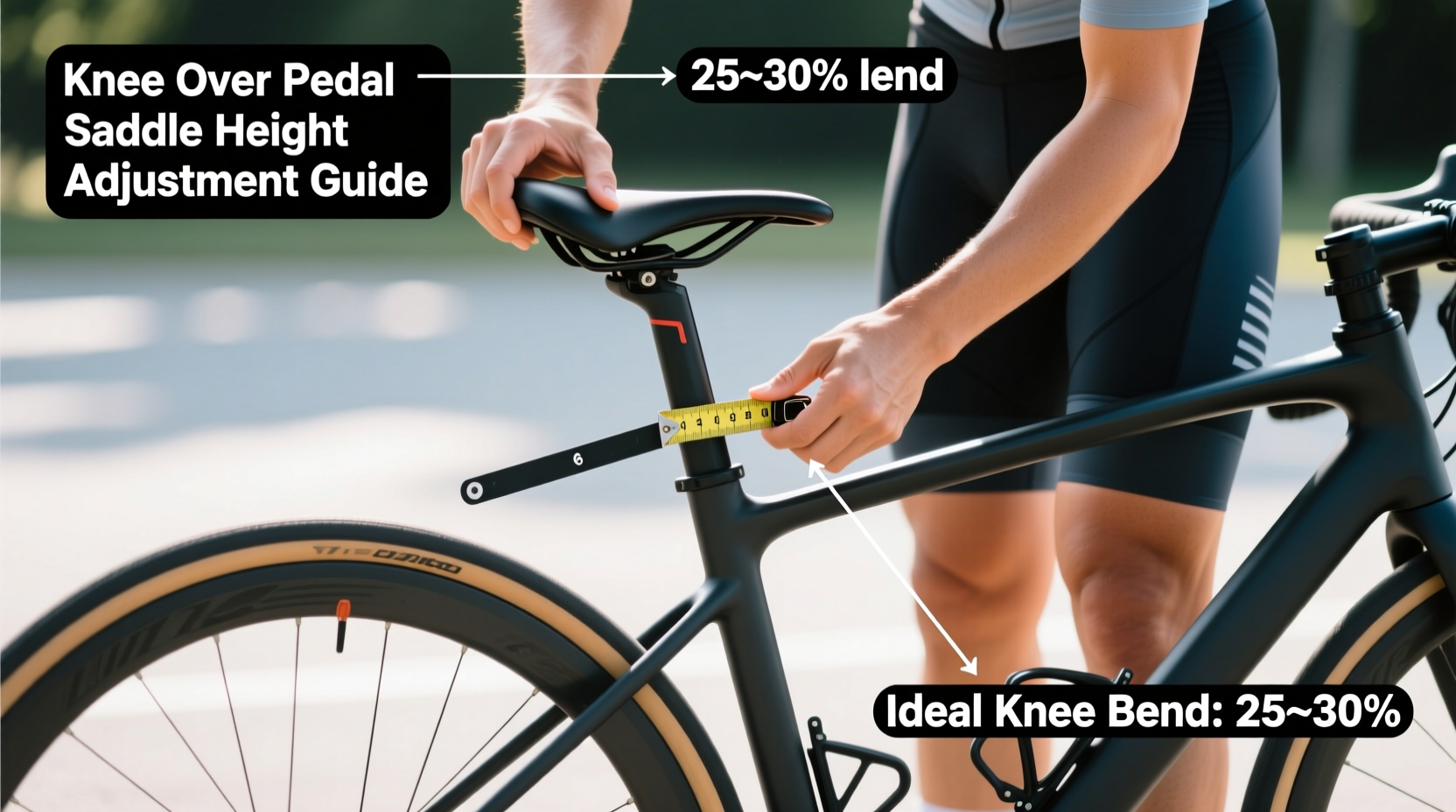
Your knee undergoes complex movements with every pedal revolution: flexion, extension, and slight rotation. At optimal seat height, these motions occur within a safe range of motion, minimizing stress on ligaments, tendons, and cartilage. But even a small deviation—just 5 to 10 millimeters—can disrupt this balance.
When the seat is too low, your knee remains excessively bent throughout the pedal stroke. This increases the force between the patella (kneecap) and femur, especially during climbs or high-resistance efforts. Over time, this repetitive friction leads to irritation, inflammation, and chronic discomfort behind or around the kneecap.
Conversely, a seat set too high forces your hips to rock side-to-side as you reach the bottom of the stroke. Your hamstrings and Achilles tendon become overstretched, and the quadriceps must work harder to stabilize the knee. This places undue tension on the posterior knee capsule and can lead to posterior knee pain or iliotibial (IT) band irritation.
“Seat height is the single most influential factor in cycling-related knee pain. Get this wrong, and no amount of stretching or strengthening will fully resolve the issue.” — Dr. Laura Chen, Sports Medicine Physician and Cycling Injury Specialist
Step-by-Step Guide to Adjusting Your Bike Seat Height
Finding the correct seat height involves more than guesswork. Follow this structured process to ensure accuracy and consistency:
- Start with a clean measurement baseline. Wear your regular cycling shoes and sit on the bike. Have someone steady the frame or use a trainer to keep it upright.
- Position the crank arm vertically. Rotate the cranks so one arm points directly downward (6 o’clock position).
- Align your leg at the bottom of the stroke. Place your heel on the center of the pedal. With your heel in place, extend your leg fully. At the correct height, your leg should be straight—with a slight natural bend only at the knee due to soft tissue, not joint angle.
- Check for hip stability. As you push down, your hips should remain level. If they rock side to side, the seat is likely too high.
- Switch to the ball of your foot. Once your heel fits perfectly with a straight leg, shift to riding with the ball of your foot on the pedal. You should now have about 25–30 degrees of knee flexion at the bottom of the stroke—ideal for power and joint protection.
- Make micro-adjustments. Use a tape measure to record the current seat post height from the center of the bottom bracket to the top of the saddle. Adjust in 2–3 mm increments until you achieve smooth, pain-free pedaling.
- Ride test for 10–15 minutes. Pay attention to any tightness in the front or back of the knee. Discomfort should subside within a few days of consistent riding; persistent pain means further adjustment is needed.
Alternative Methods for Fine-Tuning Seat Height
The heel method is reliable, but some riders prefer more precise or scientific approaches. Here are three widely used alternatives:
- 109% Method: Measure your inseam (in centimeters) from the floor to your crotch with bare feet and a hardcover book simulating the saddle. Multiply by 1.09. This gives your ideal seat height from the center of the bottom bracket to the top of the saddle, measured along the seat tube angle.
- LeMond Method: Developed by cyclist Greg LeMond, this uses 88.3% of your inseam (in cm) as the seat height. It accounts for variations in shoe thickness and pedal system.
- Goniometer Measurement: For clinical precision, use a goniometer to measure actual knee angle when the pedal is at 3 o’clock. Ideal range: 25°–35° of flexion. This method is often used in professional bike fittings.
No single formula works universally. Body proportions, flexibility, and riding style all influence the final setting. Use formulas as starting points, then refine based on feel and performance.
Common Mistakes and What to Avoid
Even experienced cyclists make errors when adjusting seat height. These missteps can undermine hours of training and lead to preventable injury.
| Mistake | Why It’s Harmful | How to Fix It |
|---|---|---|
| Setting height based on comfort after long rides | Pain may already be present; discomfort accumulates slowly | Adjust before symptoms arise using objective measurements |
| Ignoring cleat position (on clipless pedals) | Foot placement affects effective leg length and knee tracking | Ensure cleats are aligned so knees track over pedal spindle |
| Changing multiple variables at once | Hard to isolate what caused improvement or pain | Adjust one element at a time—seat height, fore-aft, tilt |
| Using seat angle instead of height to relieve pressure | Tilting the seat doesn’t fix biomechanical leg extension issues | Fix height first, then fine-tune angle for soft tissue comfort |
Real Example: How One Cyclist Resolved Chronic Knee Pain
Mark, a 42-year-old recreational cyclist, began experiencing sharp pain beneath his left kneecap after increasing his weekly mileage from 40 to 70 miles. He assumed it was due to overuse and tried rest, ice, and stretching—but the pain returned within days of resuming rides.
At a local bike shop, a fitter measured Mark’s inseam and discovered his seat was 15mm too low. He had lowered it months earlier thinking it would help with climbing, unaware he was increasing patellar stress. Using the 109% method, the fitter raised his saddle from 72cm to 73.5cm. After two weeks of gradually adapting to the new height, Mark reported complete resolution of knee pain and improved climbing efficiency.
“I thought I was being cautious by lowering the seat,” Mark said. “But I was actually making things worse. Now I check my setup every season.”
Comprehensive Checklist for Proper Seat Adjustment
Use this checklist before every major ride or after equipment changes to ensure optimal alignment:
- ✅ Measure inseam with a book and wall for baseline data
- ✅ Use the heel method to set initial seat height
- ✅ Confirm leg has slight bend when ball of foot is on pedal at 6 o’clock
- ✅ Check for hip rocking during pedal stroke
- ✅ Verify cleat position aligns knee over pedal axle (if applicable)
- ✅ Test ride on flat terrain for at least 15 minutes
- ✅ Note any knee discomfort—front, back, or sides
- ✅ Make adjustments in 2–3mm increments
- ✅ Record final measurement on seat post
- ✅ Reassess every 3–6 months or after physical changes (injury, weight shift)
FAQ: Common Questions About Bike Seat Height
Can the wrong seat height cause long-term knee damage?
Yes. Chronic misalignment can lead to tendinopathy, bursitis, or accelerated cartilage wear. While occasional discomfort may resolve with rest, persistent pain from poor fit increases the risk of degenerative joint changes over time.
Should seat height differ for road vs. mountain biking?
Slightly. Mountain bikers often run seats 5–10mm lower for better control on technical descents. Road cyclists typically optimize for efficiency and aerodynamics, favoring slightly higher positions. However, the fundamental knee angle principles remain the same.
Is there a difference in seat height for women versus men?
Not inherently. Seat height depends on individual anatomy—specifically leg length and flexibility—not gender. Women may have different pelvic angles, which affects saddle choice and fore-aft position, but the vertical dimension should still be based on biomechanical fit.
Final Thoughts and Call to Action
Knee pain while cycling doesn’t have to be inevitable. More often than not, it’s a signal from your body that something is out of alignment—most commonly, your saddle height. By taking the time to measure, adjust, and test your setup with care, you protect one of your most valuable assets: your ability to move freely and enjoy the ride.
Don’t wait for pain to dictate change. Whether you're a commuter, weekend warrior, or long-distance rider, a properly adjusted seat enhances performance, comfort, and longevity in the saddle. Revisit your setup today, follow the steps outlined here, and experience the difference precision makes.
💬 Have you struggled with knee pain on the bike? Share your story or tips in the comments—your insight could help another rider find relief.








