Hockey is more than just a sport—it’s a culture of speed, skill, and resilience. For children, early exposure to hockey through play can lay the foundation for physical development, strategic thinking, and emotional growth. While stepping onto the ice is an unforgettable experience, not every child has immediate access to rinks or equipment. That’s where hockey toys come in. Thoughtfully chosen toys don’t just entertain; they spark imagination, build muscle memory, and cultivate a genuine love for the game—long before a child laces up their first pair of skates.
From mini sticks and plush pucks to electronic shootout games and backyard rink sets, today’s hockey toys blend fun with function. They allow kids to explore the sport in safe, accessible environments while developing hand-eye coordination, spatial awareness, and teamwork. More importantly, these toys help sustain interest during off-seasons and between practices, keeping the flame of enthusiasm alive all year round.
The Role of Play in Skill Development
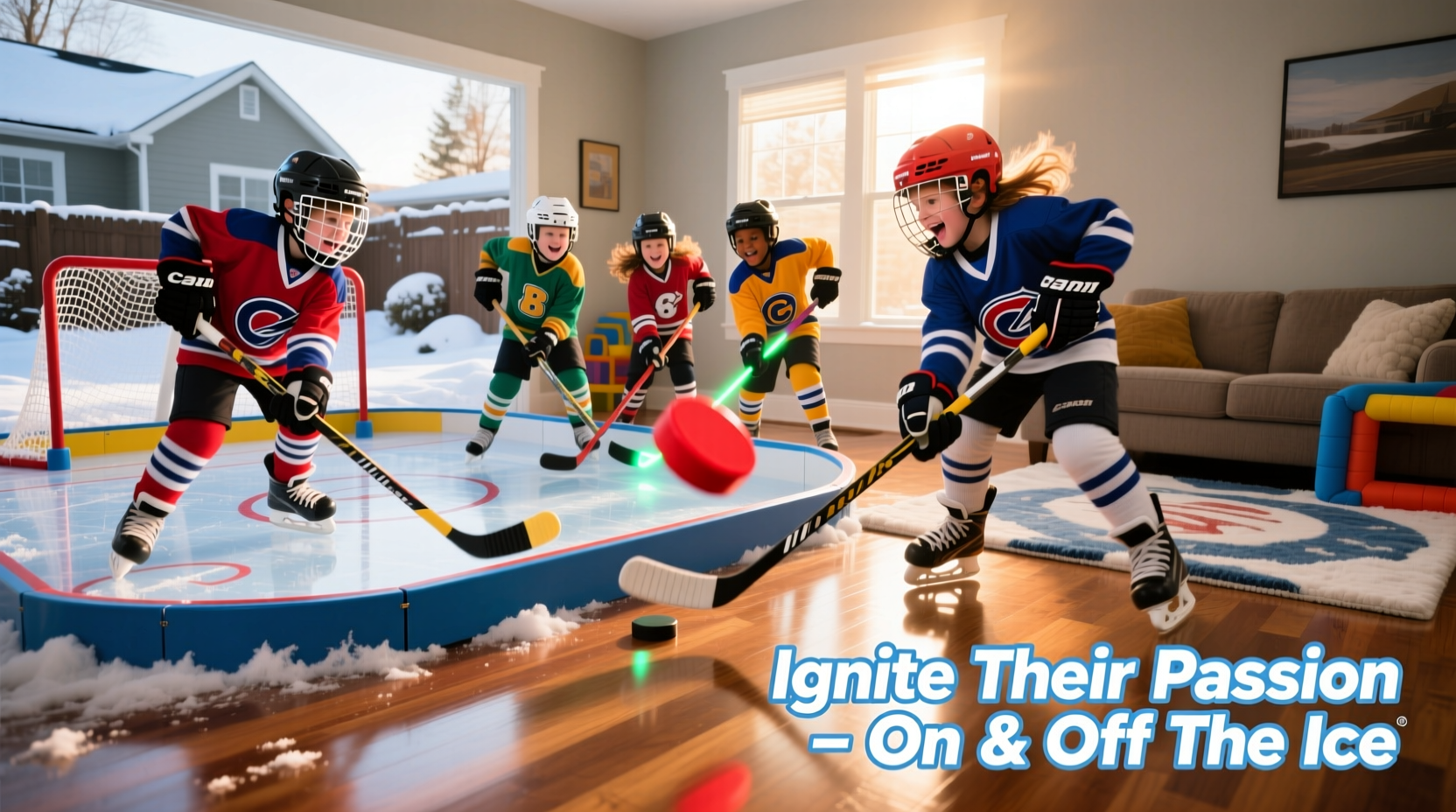
Children learn best through active engagement. When a child uses a toy hockey stick to flick a foam puck across the living room floor, they’re not just playing—they’re refining motor skills, learning angles of deflection, and internalizing rhythm and timing. These seemingly simple actions mirror real-game mechanics used by professional players.
Repetition through play strengthens neural pathways associated with coordination and decision-making. A 2022 study from the Canadian Journal of Sport Science found that children who regularly engaged in sport-themed imaginative play demonstrated improved reaction times and better spatial judgment when introduced to actual gameplay. This suggests that informal, toy-based interaction with hockey concepts prepares young minds for structured training.
Tip: Encourage daily \"practice\" sessions at home—even 10 minutes of puck handling improves control and confidence.Cognitive and Emotional Benefits Beyond Physical Skills
Beyond coordination, hockey toys support emotional intelligence. Pretend games involving scoring, defending, or role-playing as NHL stars foster creativity and narrative thinking. Children often assign roles—goalie, captain, rookie—and navigate scenarios that involve fairness, perseverance, and sportsmanship.
For shy or introverted children, embodying a confident player through imaginative play can boost self-esteem. It provides a low-pressure environment to experiment with leadership, problem-solving, and even conflict resolution (“Was that goal valid?”). These soft skills transfer seamlessly to team dynamics once the child enters organized leagues.
Choosing Age-Appropriate Hockey Toys
Selecting the right toy depends on developmental stage, space availability, and safety considerations. A toddler benefits most from oversized, soft-textured items that emphasize sensory engagement, while older children may seek interactive or competitive options.
| Age Group | Recommended Toy Types | Safety Notes |
|---|---|---|
| 2–5 years | Foam pucks, plastic mini sticks, push-along goalie sets | Ensure no small parts; edges should be rounded |
| 6–9 years | Adjustable sticks, electronic target games, floor hockey sets | Supervise use of spring-loaded launchers |
| 10–13 years | Official-size replica gear, shooting pads, DIY rink kits | Promote responsible storage and respectful play |
“Play is the brain’s favorite way of learning.” — Dr. David Elkind, Child Development Psychologist
Top 5 Hockey Toys That Inspire Real Passion
- Foam Puck Sets with Glow-in-the-Dark Options: Safe for indoor use and visually engaging, these encourage evening play and tracking skills.
- Mini Stick with Net Combo: Often wall-mounted or freestanding, these bring rink-like challenges into bedrooms or basements.
- Electronic Shootout Games: Battery-powered systems simulate breakaways, complete with lights and sound effects.
- Hockey Skill Training Cones and Ladder Drills (Junior Size): Though not “toys” in the traditional sense, these gamify agility training.
- Plush NHL Team Mascots: Foster team loyalty and storytelling—kids create narratives around their favorite teams.
Bringing the Rink Home: Creating a Hockey-Friendly Environment
A dedicated play zone—even if it's just a corner of the garage or hallway—can transform casual interest into routine engagement. Mark a goal line with tape, hang a lightweight net, and designate a “stick-only” area to prevent accidents. Some families install roll-up synthetic ice panels in driveways, but even a smooth concrete patio allows for dryland stickhandling drills with low-friction pucks.
Consistency matters. When hockey becomes part of the home landscape, so does its language: terms like “power play,” “faceoff,” and “breakaway” enter everyday conversation naturally. Parents who join in—blocking shots with pillows or taking turns as goalie—deepen the bond and reinforce positive associations with effort and play.
Mini Case Study: The Thompson Family Backyard Initiative
The Thompsons, based in Ottawa, wanted their 7-year-old daughter Mia to stay engaged with hockey during summer months when rink time was limited. They cleared a section of their paved backyard, painted lines resembling a rink, and installed a collapsible net. They added a set of color-coded foam pucks for passing drills and a timer app for quick-shoot challenges.
Within six weeks, Mia’s coach noticed improved edge control and faster decision-making during drills. More importantly, she began organizing neighborhood pickup games, demonstrating emerging leadership. Her parents credit the backyard setup—not expensive clinics or travel teams—for nurturing her confidence and consistency.
Step-by-Step Guide: Building a Weekly Hockey Play Routine
- Assess Space and Safety: Identify a clear, obstacle-free zone indoors or outdoors. Remove tripping hazards and secure loose rugs.
- Select 2–3 Core Toys: Choose one skill-based item (e.g., stick and puck), one interactive toy (e.g., electronic game), and one imaginative piece (e.g., team jersey).
- Set a Schedule: Designate three 15-minute sessions per week focused on different skills—stickhandling, shooting accuracy, and rules knowledge via trivia.
- Incorporate Challenges: Use timers, targets, or point systems to gamify practice. Example: “Score 5 goals in 60 seconds.”
- Review and Rotate: Every month, evaluate which activities are most engaging and swap in new elements to prevent burnout.
Common Pitfalls to Avoid
- Overloading with Gear: Too many toys at once can overwhelm and reduce meaningful interaction.
- Over-Correcting Technique: Let kids play freely without constant coaching. Natural experimentation is valuable.
- Neglecting Off-Ice Themes: Include books, puzzles, or board games about hockey history to broaden understanding.
- Ignoring Storage Needs: Keep sticks and pucks in a bin to avoid clutter and prolong toy life.
FAQ
Can hockey toys really prepare a child for real gameplay?
Yes. While toys don’t replace coaching, they build foundational skills like puck control, spatial judgment, and game awareness. Many youth coaches report that children who played with hockey-themed toys adapt faster to live drills.
Are expensive toys better for development?
Not necessarily. Simple tools like a $10 foam puck and plastic stick offer immense value through repetition and creative play. Focus on durability and engagement, not price.
What if my child isn’t interested in hockey yet?
Introduce hockey toys casually—through gift sets, themed birthdays, or watching games together. Pair toy play with stories of famous players overcoming challenges to make the sport relatable.
Checklist: Launching Your Child’s Hockey Journey at Home
- ☐ Choose one starter toy appropriate for age and space
- ☐ Designate a safe play area with clear boundaries
- ☐ Introduce basic terms through play (“pass,” “save,” “penalty”)
- ☐ Join in for at least one play session per week
- ☐ Attend one live or televised game to connect toys to real action
- ☐ Celebrate effort, not just goals—praise persistence and creativity
“The best hockey players didn’t just train hard—they lived the game off the ice, dreaming, playing, and imagining themselves in the spotlight.” — Coach Mark Renaud, Youth Hockey Development Specialist
Conclusion
Hockey toys are far more than weekend distractions. They are gateways to confidence, coordination, and connection. Whether it’s a toddler proudly “scoring” on a cardboard net or a preteen mastering wrist shots in the driveway, these moments accumulate into lasting passion and capability. By embracing play as a vital component of athletic development, parents and caregivers give children the freedom to fall in love with hockey organically.
🚀 Ready to inspire the next generation of hockey stars? Start small—grab a foam puck, draw a goal line, and let the game begin. Share your favorite hockey toy ideas or family traditions in the comments below!








