Types of Gym Equipment Chalk Bowls
A chalk bowl is an essential accessory in gyms, climbing facilities, and weightlifting environments, designed to hold gymnastic chalk (typically magnesium carbonate) for improved grip during workouts. Choosing the right chalk bowl can enhance convenience, reduce mess, and ensure hygiene and accessibility. Below is a comprehensive breakdown of the most common types of chalk bowls available today, each tailored to specific training needs and environments.
Standard Chalk Bowl
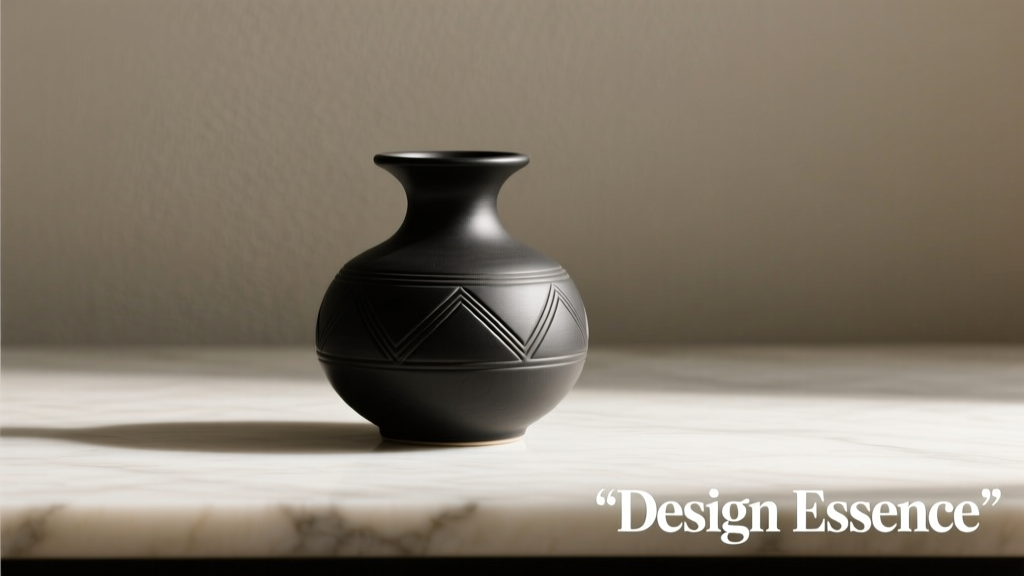
Typically crafted from durable clay or ceramic, this classic design has stood the test of time due to its simplicity and functionality. Resistant to water and chalk erosion, it maintains structural integrity even with frequent use.
Advantages
- Durable and long-lasting material
- Resists moisture and chalk buildup
- Simple, no-frills design
- Easy to clean and maintain
Limitations
- Potentially slippery on smooth surfaces
- No protection from dust or debris
- Can break if dropped
Best for: Traditional gyms, home setups, and general weightlifting where simplicity and durability are key
Anti-Slip Chalk Bowl
Engineered with rubberized or silicone bases, these bowls provide enhanced grip on wet or polished floors. Ideal for high-traffic climbing gyms or outdoor training zones where spills and moisture are common.
Advantages
- Stays securely in place during use
- Prevents accidental spills and movement
- Ideal for humid or wet environments
- Improves safety and accessibility
Limitations
- Slightly heavier than standard bowls
- Rubber base may wear over time
- Limited aesthetic variety
Best for: Climbing gyms, CrossFit boxes, and outdoor training areas with slippery surfaces
Lid Chalk Bowl
These sealed containers feature tight-fitting or flip-top lids that protect chalk from moisture, dust, and contaminants. Some models include built-in desiccant packs to absorb ambient humidity, keeping chalk dry and effective.
Advantages
- Keeps chalk dry in humid conditions
- Prevents contamination from dirt and debris
- Flip or pop-up lids allow one-handed access
- Portable and travel-friendly
Limitations
- More complex design may require maintenance
- Higher cost than open bowls
- Lids can break or get lost
Best for: Humid climates, shared gym spaces, and athletes who travel or value chalk quality
Magnetic Chalk Holder
Designed for climbers and lifters using chalk pouches, these bowls feature magnetic bases that attach securely to metal racks, weights, or gym equipment. Offers hands-free access and keeps chalk within reach at all times.
Advantages
- Attaches to metal surfaces for flexible placement
- Maximizes space and accessibility
- Ideal for climbers transitioning between routes
- Reduces clutter on the floor
Limitations
- Only works on magnetic surfaces
- Smaller capacity in some models
- May detach if bumped forcefully
Best for: Climbing gyms, functional training zones, and users with chalk bags or belts
Stackable Chalk Bowl
Built for efficiency in commercial gyms or group training settings, these bowls can be nested together for compact storage and separated to serve multiple users simultaneously. Often color-coded or labeled for different chalk types.
Advantages
- Space-saving when stored
- Supports multiple users at once
- Ideal for gyms with high chalk demand
- Can differentiate between chalk types (e.g., loose vs. block)
Limitations
- Requires more initial investment
- May take up more space when in use
- Less portable for individual use
Best for: Commercial gyms, fitness centers, and group training programs
| Type | Durability | Mobility | Hygiene/Protection | Best Use Case |
|---|---|---|---|---|
| Standard Chalk Bowl | High | Low | Low | Home gyms, traditional lifting |
| Anti-Slip Chalk Bowl | High | Medium | Medium | Wet or high-traffic areas |
| Lid Chalk Bowl | Medium-High | High | Excellent | Humid environments, travel |
| Magnetic Chalk Holder | Medium | High | Medium | Climbing gyms, metal equipment areas |
| Stackable Chalk Bowl | High | Low | Medium | Commercial gyms, group training |
Expert Tip: For optimal hygiene and chalk longevity, consider combining a lid-equipped or magnetic chalk bowl with a mesh liner or sifter to prevent clumping and ensure even distribution during use.
Materials Used to Make a Gym Chalk Bowl: A Comprehensive Guide
Gym chalk bowls are essential accessories in weightlifting, gymnastics, rock climbing, and CrossFit environments, helping athletes maintain a secure grip by managing loose magnesium carbonate chalk. The material used in constructing a chalk bowl significantly influences its durability, portability, hygiene, aesthetics, and overall performance. Below is an in-depth look at the most common materials used in modern and traditional gym chalk bowls.
Ceramics
Handcrafted ceramic or pottery chalk bowls offer a timeless blend of function and artistry. Their dense, non-porous surface resists moisture absorption, ensuring that chalk remains dry even in humid gym environments. The smooth interior allows for consistent and controlled chalk application, minimizing waste.
Due to their weight, ceramic bowls remain stable during vigorous use—ideal for powerlifters or climbers who need a reliable base. While they can break if dropped on hard surfaces, high-fired ceramics are surprisingly durable under normal conditions. Many users appreciate the classic aesthetic and tactile quality of glazed or matte-finished ceramic bowls, making them popular choices for home gyms and boutique fitness studios.
Silicone Rubber
Silicone rubber has become one of the most favored materials for modern chalk bowls due to its exceptional flexibility, lightweight nature, and resilience. These bowls are virtually unbreakable, making them perfect for travel, competitions, and outdoor training sessions.
The non-stick, waterproof surface prevents chalk buildup and simplifies cleaning—simply wipe down or rinse with water. Anti-static properties help reduce airborne chalk dust, improving air quality in shared spaces. Foldable designs allow for compact storage, and many models come with lids or carrying cases. Available in a wide range of colors, silicone bowls combine practicality with personalization, appealing to both casual gym-goers and elite athletes.
Metal Alloys
Built for heavy-duty use, metal alloy chalk bowls—typically made from stainless steel or aluminum—are prized for their strength and longevity. These bowls resist dents, scratches, and corrosion, especially when coated with powder paint or anodized finishes that enhance grip and visual appeal.
The rigid structure ensures no deformation over time, while the weight helps anchor the bowl during intense workouts. Metal surfaces are easy to sanitize, which is crucial in commercial gyms where hygiene standards are high. Some advanced models include magnetic bases or integrated scraper tools for efficient chalk management. Though more expensive than plastic or silicone, metal bowls represent a long-term investment for serious training facilities.
Plastic
Polypropylene or ABS plastic chalk bowls provide an affordable, lightweight solution for group classes, school gyms, and beginner athletes. They strike a balance between cost and functionality, offering decent impact resistance and ease of transport.
Smooth interior surfaces prevent clumping and allow for even chalk distribution. Many plastic bowls feature ergonomic shapes and non-slip bases to improve usability. However, lower-quality plastics may degrade over time due to UV exposure or repeated contact with sweat and chalk residue. Opting for BPA-free, food-grade plastics ensures safety and better durability. While not as premium as ceramic or metal, plastic remains a practical option for budget-conscious buyers and temporary setups.
Wood
Wooden chalk bowls bring natural beauty and eco-conscious design to fitness spaces. Crafted from sustainably sourced hardwoods like walnut, maple, or bamboo, these bowls showcase unique grain patterns, making each piece one-of-a-kind.
When properly sealed with food-safe oils or waxes, wood becomes resistant to moisture and chalk absorption. Rounded edges and sanded interiors ensure comfortable hand access without snagging skin. While not suitable for wet environments, wooden bowls excel in dry, indoor settings where aesthetics matter. They’re often chosen for home gyms, yoga studios, or as gift items. With proper care, a wooden chalk bowl can last for years while aging gracefully.
Material Comparison Table
| Material | Durability | Portability | Hygiene | Best For |
|---|---|---|---|---|
| Ceramic | High (but brittle) | Low | High | Home gyms, aesthetics, stability |
| Silicone | Very High | Very High | High | Travel, competitions, humid areas |
| Metal Alloy | Very High | Moderate | Very High | Commercial gyms, heavy use |
| Plastic | Moderate | High | Moderate | Beginners, schools, budget use |
| Wood | Moderate (with care) | Moderate | High (sealed) | Eco-friendly spaces, decor-focused areas |
Key Considerations When Choosing a Chalk Bowl Material
Important: Regardless of material, regular cleaning extends the life of any chalk bowl and maintains hygiene. Avoid harsh chemicals on wood or painted surfaces, and inspect silicone or plastic bowls for cracks where bacteria could accumulate. Always choose a bowl with a wide enough opening for easy hand access and deep enough sides to minimize spillage during active use.
Commercial Use of a Gym Chalk Bowl
Gym chalk bowls are essential tools in fitness environments where grip enhancement is critical for performance and safety. Designed for repeated use in high-traffic commercial settings, these durable containers provide athletes with quick, hygienic, and consistent access to climbing or lifting chalk. Whether mounted on steel walls or placed on workout stations, chalk bowls ensure chalk is always within reach—without creating mess or waste.
Climbing Gyms
In indoor climbing facilities, chalk bowls are strategically positioned near popular routes and bouldering zones to support climbers during extended sessions. These bowls are typically magnetic or securely mounted to metal climbing walls, preventing accidental displacement during active use.
- Mounted bowls reduce floor clutter and minimize chalk spillage
- Designed for frequent refills, they accommodate high user turnover
- Help maintain consistent grip on plastic and textured climbing holds
- Some models include splash guards to contain chalk dust and improve air quality
Key benefit: Secure, accessible chalk improves climber confidence and reduces the risk of slips or falls.
Weightlifting Areas
In power racks, Olympic lifting platforms, and free-weight zones, chalk bowls give lifters reliable access to magnesium carbonate, enhancing hand-to-barbell traction during heavy lifts like deadlifts, snatches, and clean & jerks.
- Placed near squat racks and benches for seamless integration into lifting routines
- Enables quick re-chalking between sets without leaving the platform
- Reduces slippage and improves control during maximal-effort lifts
- Minimizes chalk clouds compared to open buckets or bags
Safety note: Proper grip from chalk use can prevent dropped weights and potential injuries.
Fitness Studios
High-intensity group classes such as CrossFit, Olympic weightlifting, and power yoga rely on chalk bowls to support dynamic movements that demand secure hand contact with equipment.
- Essential during workouts involving pull-ups, rope climbs, kettlebell swings, and barbell cycles
- Facilitates rapid chalk access during fast-paced "chipper" workouts
- Reduces hand fatigue by improving grip efficiency under sweaty conditions
- Some studios use color-coded bowls to differentiate between chalk types (e.g., liquid vs. powder)
Performance tip: Easy-dip design supports uninterrupted flow during timed circuits and skill drills.
Mobile Gym Services
For outdoor boot camps, park training sessions, or pop-up fitness events, portable chalk bowls offer a practical solution for maintaining grip support in non-traditional gym spaces.
- Compact, lightweight designs are easy to transport and set up
- Often feature clip-on or suction mounts for temporary rig setups
- Ideal for trainers who bring equipment to clients’ locations
- Helps maintain professional standards even in uncontrolled environments
Convenience factor: Ensures consistent training experience regardless of workout location.
Competitive Events
During climbing competitions, powerlifting meets, or CrossFit games, chalk bowls define official re-chalking stations, ensuring fairness, consistency, and compliance with event regulations.
- Standardized placement allows all athletes equal access to chalk
- Prevents unauthorized chalk types or excessive application
- Often monitored by event staff to enforce rules and minimize mess
- Used in conjunction with chalk bags or liquid chalk dispensers for regulated use
Fairness advantage: Uniform access supports a level playing field across all competitors.
Additional Commercial Benefits
Beyond performance, chalk bowls contribute to facility management, hygiene, and brand image in professional fitness environments.
- Reduced Waste: Controlled dispensing limits overuse and conserves chalk inventory
- Improved Cleanliness: Contained bowls reduce airborne dust and floor residue
- Branding Opportunity: Custom-engraved or logo-stamped bowls enhance gym identity
- Durability: Commercial-grade materials withstand daily wear, cleaning, and impact
- User Experience: Thoughtful placement shows attention to athlete needs and professionalism
Pro insight: Investing in high-quality chalk bowls reflects a commitment to safety, efficiency, and athlete satisfaction.
Professional Recommendation: When equipping a commercial facility, choose magnetic or securely mountable chalk bowls made from impact-resistant materials. Position them at key grip-demand zones—such as near climbing walls, lifting platforms, and functional training rigs. For events, standardize bowl design and placement to ensure consistency. Regular maintenance and refills keep the system functional and hygienic, supporting peak performance across all user levels.
| Application | Chalk Bowl Feature | Primary Benefit | Recommended Placement |
|---|---|---|---|
| Climbing Gyms | Magnetic mount, splash guard | Secure, low-mess access | Adjacent to popular routes and bouldering zones |
| Weightlifting Areas | Non-slip base or clamp mount | Quick re-chalking between sets | Near power racks and Olympic platforms |
| Fitness Studios | Compact, easy-clean design | Supports fast-paced workouts | Within functional training zones |
| Mobile Services | Portable, clip-on attachment | On-the-go grip support | Attached to mobile rigs or gear bags |
| Competitive Events | Standardized, tamper-resistant | Fair and regulated access | Designated re-chalking stations |
Best Practices for Commercial Use
- Regular Maintenance: Clean bowls weekly to prevent chalk buildup and bacterial growth
- Refill Schedules: Establish a routine refill system to avoid running out during peak hours
- User Education: Post signage on proper chalk use to minimize over-application
- Eco-Friendly Options: Consider biodegradable chalk or liquid chalk dispensers to reduce environmental impact
- Accessibility: Mount bowls at varying heights to accommodate users of all statures
How to Choose the Perfect Gym Chalk Bowl: A Complete Buyer’s Guide
Selecting the right gym chalk bowl is more important than many athletes realize. Whether you're into weightlifting, rock climbing, gymnastics, or CrossFit, having a reliable chalk bowl ensures consistent grip, reduces mess, and enhances your training efficiency. This comprehensive guide breaks down the key factors to consider when choosing a chalk bowl that fits your performance needs, lifestyle, and budget—helping you make an informed decision for optimal workout support.
Pro Tip: Chalk is essential for improving grip and reducing slippage, but without the right container, it can become wasted, spilled, or contaminated. A high-quality chalk bowl enhances both functionality and hygiene during intense training sessions.
Bowls That Stick Well: Secure Your Setup
One of the most frustrating experiences during a workout is a chalk bowl that slides, tips, or detaches mid-session. Look for bowls with advanced attachment features such as:
- Magnetic bases – Ideal for attaching to steel racks, pull-up bars, or power cages commonly found in gyms.
- Non-slip rubberized bottoms – Provide excellent grip on wooden, rubber, or concrete floors.
- Vacuum suction or clamp systems – Offer maximum stability for outdoor climbing or mobile training setups.
- Mounting brackets or straps – Allow secure fastening to uneven or non-metal surfaces.
These features ensure your chalk remains within easy reach and doesn't disrupt your flow during heavy lifts or dynamic movements.
Adequately Sized: Match Capacity to Usage
The size of your chalk bowl should align with your usage frequency and environment:
- Compact bowls (4–6 oz capacity) – Best for individual athletes who train solo or travel frequently. Easy to pack and refill.
- Standard bowls (8–12 oz) – Great for home gyms or small group training. Offers a balance between capacity and portability.
- Large-capacity bowls (12+ oz) – Designed for commercial gyms or team settings where multiple users access chalk throughout the day.
Choosing the right size prevents constant refills or unnecessary bulk—ensuring convenience without compromise.
Sturdy Yet Lightweight: Durability Meets Portability
Your chalk bowl should survive the rigors of daily use without weighing you down:
- Materials like reinforced ABS plastic, silicone, or aircraft-grade aluminum offer excellent durability while remaining lightweight.
- Dropped during a climbing session? A shock-resistant design prevents cracking or deformation.
- For outdoor climbers and mobile athletes, lightweight materials make it easy to clip onto gear loops or pack into a training bag.
The ideal bowl strikes a balance—robust enough to endure impacts, yet light enough to carry anywhere.
Simple Maintenance: Keep It Clean and Functional
A low-maintenance chalk bowl saves time and keeps your chalk hygienic:
- Bowls with removable lids or snap-on covers protect chalk from moisture, dirt, and gym debris.
- Smooth, non-porous interiors resist chalk buildup and are easy to wipe clean with a damp cloth.
- Some models feature washable liners or replaceable inserts, simplifying deep cleaning and extending product life.
- Dishwasher-safe options add extra convenience for busy athletes.
Regular maintenance ensures your chalk stays dry and ready for peak performance.
Expert Tip: If you use liquid chalk, choose a bowl with a drainage hole or a separate compartment to avoid residue buildup. Dry and liquid chalk users have different maintenance needs—select accordingly.
No Messy Spills: Contain the Chalk, Not the Chaos
Chalk dust can create a slippery, unsightly mess. Choose spill-resistant designs with:
- Raised lips or deep walls – Prevent chalk from spilling out when hands are dipped quickly.
- Flip-top or sliding lids – Seal the bowl when not in use, minimizing airborne dust and accidental spills.
- Integrated scraper edges – Allow excess chalk to be brushed off before gripping the bar, reducing floor mess.
- Base trays or catch rings – Capture stray dust and make cleanup effortless.
These features help maintain a clean, professional gym space and reduce cleanup time after workouts.
In Budget: Smart Spending Without Sacrificing Quality
Chalk bowls range from basic models to premium multi-functional units. Consider your priorities:
- Entry-level ($10–$20) – Functional, no-frills options ideal for casual users or beginners.
- Mid-range ($20–$40) – Durable, feature-rich bowls with magnetic bases, lids, and ergonomic designs.
- Premium ($40+) – Advanced models with modular components, custom branding, or multi-chalk compatibility (e.g., blocks, powder, liquid).
Invest in a bowl that offers long-term value—not just low cost. A slightly higher upfront price often pays off in durability, usability, and reduced replacement frequency.
| Feature | Best For | Recommended Options | Budget Range |
|---|---|---|---|
| Magnetic Base | Gym racks, steel frames | Rogue, Fringe Sport, Atomik | $25–$45 |
| Non-Slip Rubber Base | Home gyms, flooring | REP Fitness, Titan | $15–$30 |
| Compact & Portable | Travel, climbing, outdoor use | Metolius, Black Diamond | $10–$25 |
| Large Capacity with Lid | Commercial gyms, group classes | York, Bear Komplex | $30–$50 |
| Multi-Function (Chalk + Brush Holder) | Performance athletes | Custom or branded models | $40–$60 |
Final Recommendations
- Always test the attachment mechanism before purchasing—especially if using on non-metal surfaces.
- Consider future needs: Will you train in different locations or expand your equipment?
- Read user reviews focusing on durability, ease of cleaning, and real-world stability.
- Check compatibility with chalk blocks vs. loose powder—some bowls are optimized for one form.
- For gyms, opt for models with replaceable parts to reduce long-term costs.
Choosing the right gym chalk bowl isn’t just about holding chalk—it’s about enhancing performance, reducing waste, and supporting a clean, efficient training environment. By prioritizing grip, size, durability, ease of maintenance, spill control, and value, you can find a bowl that seamlessly integrates into your fitness routine and stands up to the demands of serious training. Whether you're a weekend warrior or a competitive athlete, the right chalk bowl makes every rep count.
Frequently Asked Questions About Gym Chalk Bowls
Q1: What is the purpose of a chalk bowl in the gym?A1: A chalk bowl serves as a dedicated container for dry hand chalk, allowing athletes to easily dip their fingers or palms to improve grip during weightlifting, climbing, gymnastics, and other strength-based workouts. By absorbing moisture from the hands, gym chalk reduces slippage on bars, dumbbells, pull-up rigs, and kettlebells—enhancing both performance and safety. Using a chalk bowl helps keep chalk contained, minimizing mess and ensuring hygienic access in shared fitness environments.
Q2: What types of gym chalk bowls are available?A2: Chalk bowls come in a variety of designs tailored to different user preferences and training settings. Common types include:
- Handcrafted Bowls: Made from wood, ceramic, or stone, these offer a premium aesthetic and are often used in boutique gyms or home setups.
- Non-Slip Bowls: Feature rubberized bases or textured undersides to prevent movement during intense workouts.
- Magnetic Chalk Holders: Attach to metal racks or frames, saving floor space and keeping chalk within easy reach.
- Lidded Containers: Include snap-on or screw-top lids to protect chalk from moisture and spills, ideal for travel or outdoor use.
- Stackable Designs: Allow multiple bowls to be stored neatly, useful for commercial gyms with high user turnover.
- Labeled Bowls: Help differentiate between personal and shared chalk or separate magnesium carbonate from liquid chalk stations.
Each type balances functionality, durability, and convenience depending on the environment and user needs.
Q3: Where are chalk bowls used commercially?A3: Chalk bowls are widely used across various commercial and public fitness environments, including:
- Weightlifting Gyms & CrossFit Boxes: Essential for Olympic lifts, deadlifts, and pull-ups where grip failure can compromise form and safety.
- Fitness Studios: Found in functional training areas, especially those offering HIIT, strongman, or calisthenics programs.
- Rock Climbing Gyms: Used by climbers to maintain dry hands and secure holds, often paired with chalk bags or belts.
- Outdoor Workout Zones: Installed in public parks or training circuits where athletes need accessible grip enhancement.
- Sports Competitions: Present at powerlifting meets, gymnastics events, and obstacle course races to support athlete performance under pressure.
In these settings, chalk bowls promote hygiene, reduce floor contamination, and ensure consistent availability of chalk for all users.
Q4: How do I choose the right gym chalk bowl?A4: Selecting the best chalk bowl involves considering several key factors to match your training style and environment:
- Grip & Stability: Opt for non-slip or magnetic bowls if space is limited or the bowl will be used near heavy equipment.
- Size & Capacity: Choose a bowl that holds enough chalk for your session without being too bulky—typically 6–12 oz for personal use, larger for commercial setups.
- Durability: Look for impact-resistant materials like reinforced plastic, stainless steel, or hardwood that can withstand daily wear.
- Portability: If you train in multiple locations, consider a lightweight, lidded model that’s easy to carry and store.
- Mess Control: Bowls with raised rims or integrated scraper edges help minimize chalk dust and keep surfaces clean.
- Budget: Prices range from $5 for basic plastic models to $30+ for artisanal or magnetic versions—balance cost with long-term value.
Ultimately, the best chalk bowl supports consistent grip, integrates seamlessly into your routine, and enhances your overall workout experience.
Q5: Is gym chalk the same as regular chalk?A5: No, gym chalk is not the same as regular classroom or sidewalk chalk. While they may look similar, they are chemically different:
| Feature | Gym Chalk | Regular Chalk |
|---|---|---|
| Primary Composition | Magnesium carbonate (MgCO₃) | Calcium sulfate (gypsum) or calcium carbonate |
| Function | Absorbs sweat, improves grip, reduces friction | Used for writing or drawing on surfaces |
| Texture | Dry, fine powder that clings to skin | More brittle, leaves dusty residue |
| Solubility | Insoluble in water, remains effective when damp | Dissolves more easily with moisture |
| Safety on Skin | Generally safe, hypoallergenic, non-toxic | Can irritate skin or lungs with prolonged exposure |
Gym chalk is specifically formulated for athletic performance, making it far more effective and safer for use during physical activity than traditional chalk. Always use proper gym-grade magnesium carbonate to ensure optimal grip and avoid potential health or equipment issues.









