Trout often feed most aggressively not on fully emerged adults or sinking nymphs, but during the vulnerable transition phase—when aquatic insects are trapped between water layers, struggling to break free from their shucks. This stage defines the emerger, and mastering emerger patterns can turn frustrating days on the water into productive ones. Emergers imitate insects caught in surface tension, partially submerged, making them irresistible targets for selective trout. Whether you're fishing a sulfur, blue-winged olive, or caddis emergence, having the right emerger patterns in your box is essential.
Why Emergers Outperform Traditional Patterns
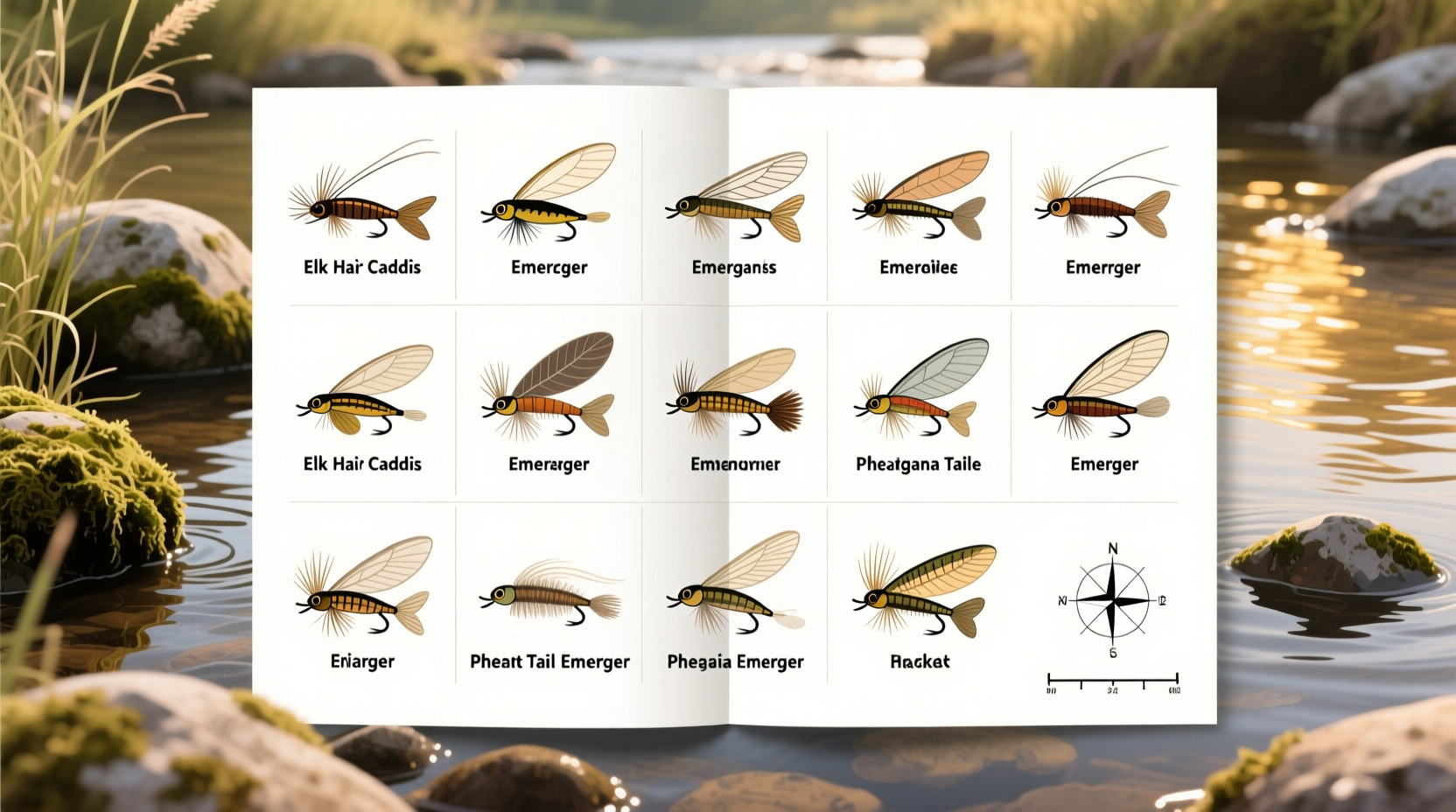
During a hatch, trout key in on specific stages of insect development. While many anglers focus on dry flies or nymphs, they often overlook the critical window when insects are emerging. At this stage, insects are slow, defenseless, and highly concentrated near the surface. Trout know this and exploit it.
Emerger patterns bridge the gap between subsurface nymphs and floating adults. They sit in the film, mimic struggling insects, and trigger instinctive strikes. Unlike high-floating dry flies, emergers create subtle surface disturbance without breaking tension—often provoking takes that look more like sips than slashes.
“More trout are caught on emergers than on any other single category during transitional hatches. It’s not about imitation—it’s about timing.” — Tim Hovey, Fly Fishing Guide & Entomology InstructorTip: Fish your emerger 6–12 inches behind a dry fly as a dropper to detect subtle takes.
The Top 10 Emerger Fly Patterns for Trout
The following list includes time-tested emerger patterns effective across rivers, spring creeks, and stillwaters. Each has been refined through decades of angler feedback and biological observation. These flies represent major insect families and perform best during key hatches.
- Klinkhammer – A buoyant dry-emerger hybrid with a parachute post and weighted abdomen. Sits low in the film, ideal for BWOs and midges.
- Comparadun Emerger – Features a slotted hook and upright wing to suggest an insect stuck in the surface film. Excellent for mayflies in slow currents.
- Sparkle Dun – Combines a peacock herl body with fine flash to simulate translucency of emerging wings. Works well in early morning hatches.
- RS2 (Rapid Sight-Specific) – Originally designed by Rick Sawyer, this tiny emerger sinks just below the surface. Use in sizes 18–22 for midge and BWO emergences.
- Soft Hackle Emerger – Wrapped with partridge or wood duck fibers, this pattern pulses subtly in current, mimicking movement of a real insect.
- CDC Emerging Caddis – Uses ultra-buoyant CDC feathers to keep the thorax afloat while the body rides low. Perfect during caddis activity.
- Emerging BWO Sparkle Pupa – Gold bead head with a sparkle yarn thorax and fine wire rib. Effective when BWOs begin swimming toward the surface.
- Jujubee Midge – A miniaturized emerger with a foam head and rubber legs. Deadly under midge hatches in tailwaters.
- Split Tail Emerger – Crafted with divided mono or floss tails to suggest splitting shucks. Highly realistic under magnification.
- Parachute Emerger – Similar to a Parachute Adams but tied with a trailing shuck and lower profile. Versatile in mixed hatches.
When and Where to Use Each Pattern
| Pattern | Best Hatch Match | Water Type | Recommended Size Range |
|---|---|---|---|
| Klinkhammer | BWO, Trico, Midge | Spring creeks, slow runs | 16–22 |
| Comparadun Emerger | Blue-Winged Olive | Stillwater, flat glides | 16–20 |
| Sparkle Dun | Mayfly emergences | Riffles, runs | 14–18 |
| RS2 | Midges, BWOs | Tailwaters, deep flats | 18–24 |
| Soft Hackle Emerger | General mayfly | All types, especially soft currents | 12–18 |
Fishing Techniques for Maximum Effectiveness
Even the best emerger pattern fails if presented incorrectly. The key is subtlety. Trout inspect emergers closely, so drag-free drifts are non-negotiable.
Use a slack-line cast—like a pile cast or reach mend—to delay line tension and allow the fly to drift naturally. In faster currents, try a tight-line nymphing setup with an indicator, setting the depth so the emerger rides just below or in the surface film.
- Fish emergers during the “gray period” between nymphing and dry fly action.
- Look for fish dimpling the surface or rising without breaking it—signs of emerger feeding.
- Match the hatch by checking spent wings or shucks on rocks or in eddies.
Mini Case Study: Spring Creek Success with RS2
On Montana’s Armstrong Spring Creek, angler Dana Reyes struggled for two hours during a dense BWO hatch. Rising fish ignored his size 20 Parachute Adams. Switching to a RS2 on a 6X tippet, he used a high-stick technique to maintain a dead-drift in a shallow riffle. Within minutes, he landed four trout in quick succession. “They weren’t taking the dry,” he said later. “They were eating bugs just under the film. The RS2 was invisible until the take.”
Checklist: Preparing Your Emerger Game Plan
Before heading out, ensure you’re equipped for emerger success:
- ✅ Stock at least three variations of RS2 and Klinkhammer in sizes 18–22
- ✅ Carry fine tippet material (5X–7X) for delicate presentations
- ✅ Pack CDC restorer and floatant for maintenance
- ✅ Observe insect activity at dawn and dusk—the prime emerger windows
- ✅ Practice mending techniques to achieve drag-free drifts
- ✅ Include a split shot or weighted point fly when fishing deeper transitions
Frequently Asked Questions
Can I use emergers year-round?
Absolutely. While most prominent in spring and fall, midge emergences occur in winter too. Even in summer, early morning and late evening hatches provide emerger opportunities.
How do I tell if trout are feeding on emergers?
Watch for subtle rises—small dimples or sipping sounds without splash. If fish refuse your dry fly but rise nearby, they’re likely targeting emergers just below the surface.
Should I tie my own emerger patterns?
While commercially tied flies work well, tying your own allows customization. Adjust weight, shuck length, and buoyancy to match local insect behavior. Many emergers are simple to tie with minimal materials.
Final Thoughts and Call to Action
Mastering emerger patterns transforms how you approach trout behavior. Instead of reacting to what’s visible on the surface, you anticipate the hidden moment of vulnerability beneath it. The top 10 patterns listed here are not just flies—they’re solutions to one of fly fishing’s most elusive challenges: catching selective, educated trout during finicky hatches.
Refine your selection, practice your presentation, and pay attention to the details others miss. The next time the dry fly fails, go subsurface—not deep, but just deep enough. That’s where the emergers live, and that’s where the trout are waiting.
🚀 Ready to upgrade your fly box? Tie or purchase three new emerger patterns this week and test them on your next outing. Share your results in the comments—what worked, what didn’t, and which pattern brought the first strike.








