Baseball is as much a game of vision as it is of strength and speed. From tracking a 90+ mph fastball to judging fly ball trajectories in bright sunlight, elite visual performance separates average players from standout performers. For athletes who wear corrective lenses, choosing the right type isn’t just about clarity—it’s about optimizing depth perception, contrast sensitivity, and reaction time under dynamic conditions. Whether you're a high school player, college athlete, or weekend warrior, the right lenses can significantly elevate your game.
Why Visual Clarity Matters in Baseball
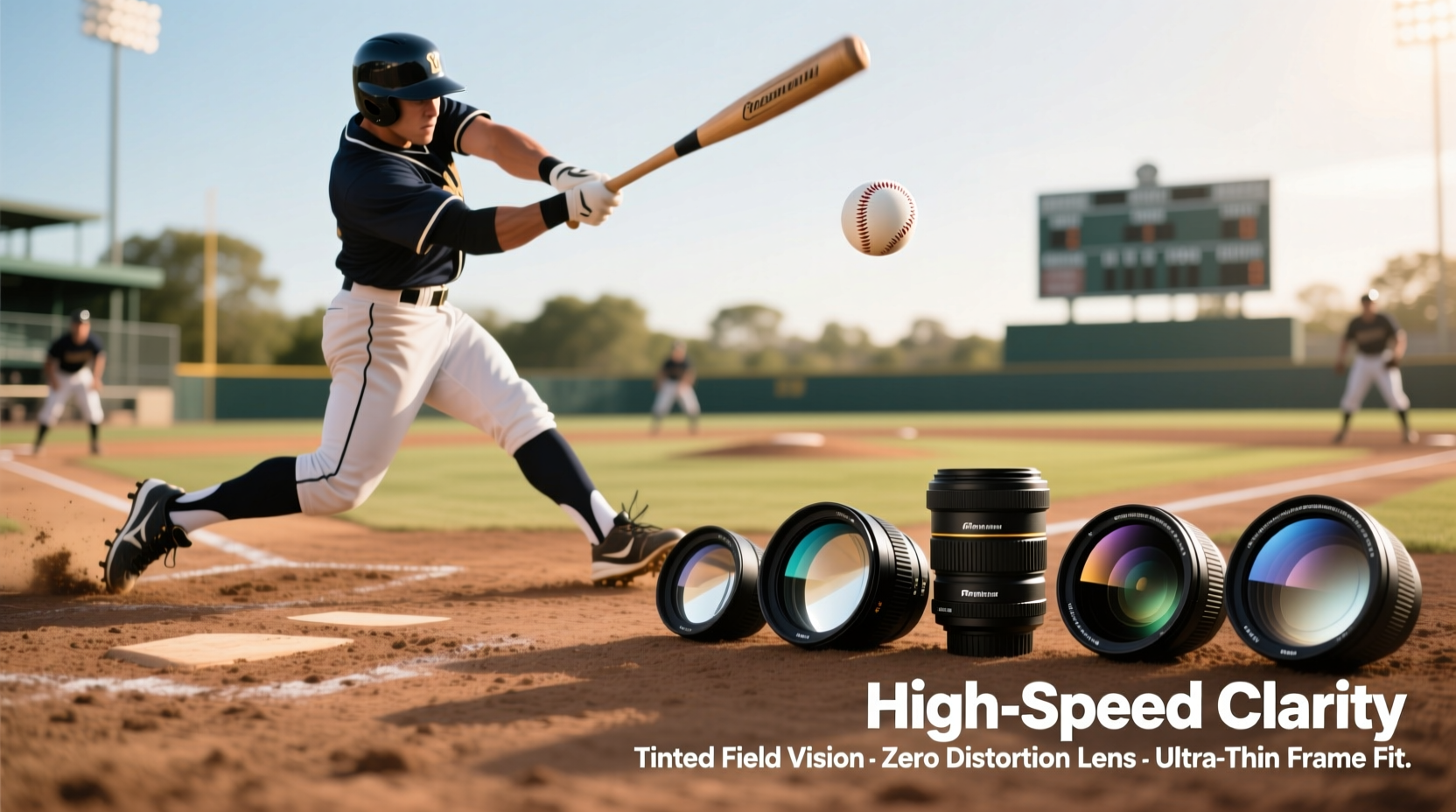
In baseball, split-second decisions determine outcomes. A batter has roughly 400 milliseconds to decide whether to swing at a pitch. During that time, the eyes must track the ball, assess its spin and trajectory, and relay information to the brain for motor response. Any compromise in visual acuity, peripheral awareness, or light adaptation slows this process.
Players with uncorrected or poorly corrected vision may struggle with pitch recognition, misjudge distances in the field, or lose sight of pop-ups against the sky. Even minor refractive errors—like mild astigmatism or low-level myopia—can degrade performance under pressure. That’s why selecting the optimal lens solution isn’t optional; it’s a strategic necessity.
“Vision is the primary sensory input in baseball. Athletes who optimize their visual system gain a measurable edge.” — Dr. Barry Seiller, Sports Vision Specialist
Types of Lenses for Baseball Players
Not all corrective lenses are suitable for sports. Traditional eyeglasses are impractical on the field due to movement, fogging, and impact risk. Instead, baseball players typically choose between contact lenses and prescription sports sunglasses with specialized lenses. Each option offers distinct advantages.
Contact Lenses: The Gold Standard for On-Field Clarity
Soft disposable contacts are the most popular choice among athletes. They move with the eye, provide a wide field of view, and eliminate frame obstruction. Modern daily disposables offer excellent comfort, moisture retention, and UV protection.
- Advantages: Unobstructed peripheral vision, no fogging, lightweight, compatible with protective eyewear.
- Best for: Players seeking maximum visual freedom and natural depth perception.
- Caveats: Risk of dislodgement during intense play; not ideal in dusty or windy environments.
Prescription Sports Sunglasses: Protection Meets Performance
For players who prefer not to wear contacts, prescription sports goggles or wraparound sunglasses with corrective lenses are a viable alternative. Brands like Oakley, Nike, and Rudy Project offer customizable options with impact-resistant polycarbonate lenses.
- Advantages: Built-in UV and glare protection, durable frames, secure fit during motion.
- Best for: outfielders, pitchers, or anyone frequently exposed to sun and wind.
- Caveats: Potential for fogging; limited availability in complex prescriptions.
Key Lens Features That Enhance Baseball Performance
It's not enough to simply correct vision. High-performance lenses should enhance visual processing in real-game scenarios. Look for these features when selecting lenses:
1. High-Contrast Tinting
Lens tints like amber, brown, or rose increase contrast by filtering blue light. This makes the white baseball stand out more clearly against grass, dirt, or cloudy skies. Amber tints are especially effective in low-light or overcast conditions.
2. Anti-Reflective (AR) Coating
Reduces internal reflections inside the lens, improving clarity and reducing glare from stadium lights or wet surfaces.
3. Polarization (Use with Caution)
While polarization reduces glare from horizontal surfaces like water or pavement, it can interfere with seeing LCD screens (e.g., scoreboard) and may distort the visibility of certain pitches under artificial lighting. Many professionals avoid polarized lenses for this reason.
4. UV 400 Protection
Essential for outdoor play. Prolonged sun exposure increases the risk of cataracts and macular degeneration. All sports lenses should block 100% of UVA and UVB rays.
5. Impact Resistance
Polycarbonate or Trivex materials are FDA-approved for sports use due to their ability to withstand high-velocity impacts—critical for protecting eyes from line drives or collisions.
| Feature | Benefit for Baseball | Recommended? |
|---|---|---|
| Amber/Brown Tint | Enhances ball visibility in varied lighting | Yes |
| Polarization | Reduces glare but may distort pitch spin | Limited Use |
| Anti-Reflective Coating | Improves clarity and reduces distractions | Yes |
| UV 400 Protection | Prevents long-term eye damage | Essential |
| Photochromic (Light-Adaptive) | Adjusts to changing light; useful for day-to-night games | Situational |
Step-by-Step Guide to Choosing Your Optimal Lens Setup
Selecting the right lens system involves personal assessment, professional consultation, and on-field testing. Follow this sequence to make an informed decision:
- Get a Comprehensive Eye Exam: Visit a sports vision specialist to assess acuity, depth perception, eye dominance, and any binocular vision issues.
- Determine Your Primary Needs: Are you mostly batting? Playing outfield? Do you play day or night games? These factors influence tint and correction choices.
- Try Contact Lenses: Test daily disposables for one week during practice. Assess comfort, stability, and visual sharpness.
- Test Prescription Sports Eyewear: If contacts aren’t comfortable, consult an optician specializing in athletic eyewear for custom-fit sunglasses.
- Evaluate in Game Conditions: Wear your chosen lenses during live at-bats and fielding drills. Note any visual distortions or discomfort.
- Refine and Commit: Adjust tint, fit, or lens type based on feedback. Stick with what delivers consistent performance.
Real-World Example: How One College Outfielder Improved His Game
Jared M., a Division I outfielder, struggled with losing fly balls in the sun despite having 20/20 vision with glasses. His coach noticed frequent misreads on deep drives. After a sports vision evaluation, Jared was found to have mild astigmatism affecting contrast sensitivity.
He switched to daily disposable toric contact lenses and began wearing prescription Oakley sunglasses with a dark brown tint during afternoon games. Within two weeks, his coaches noted improved tracking and fewer lost balls. “I can see the seams spinning now,” Jared said. “It’s like the ball pops out of the pitcher’s hand.”
Frequently Asked Questions
Can I wear regular prescription glasses while playing baseball?
No. Regular glasses are not impact-resistant, tend to slip during movement, and limit peripheral vision. They pose a safety hazard and impair performance. Always use sports-specific corrective solutions.
Are polarized lenses good for baseball?
Generally not recommended. While they reduce glare, polarization can make it harder to see subtle changes in ball rotation and may interfere with viewing digital scoreboards. Most professional players avoid them.
How often should I replace my contact lenses if I play frequently?
If using daily disposables, replace them every day. For bi-weekly or monthly lenses, follow manufacturer guidelines strictly. Sweat, dust, and prolonged wear degrade lens quality and increase infection risk.
Tip: Carry spare contact lenses or backup sports sunglasses to every game. Equipment failure shouldn’t sideline your performance.Final Checklist: Choosing the Best Lenses for Baseball
- ✅ Schedule a sports vision evaluation annually
- ✅ Prioritize wide field of view and minimal distortion
- ✅ Choose high-contrast tints (amber, brown) for better ball tracking
- ✅ Ensure lenses are made from polycarbonate or Trivex
- ✅ Avoid standard prescription glasses on the field
- ✅ Test lens options during live gameplay before committing
- ✅ Maintain hygiene with contacts and clean coatings on sunglasses
Conclusion
Superior vision is a trainable skill—and the right lenses are foundational tools in that training. Whether through advanced contact lenses or precision-crafted sports sunglasses, enhancing your visual performance directly translates to sharper reactions, better judgment, and greater confidence on the diamond. Don’t let suboptimal vision hold you back. Invest in a solution tailored to the demands of baseball, test it rigorously, and play with the clearest advantage possible.
💬 Ready to upgrade your visual game? Share your lens experiences or ask questions in the comments—let’s help more players see the ball better and perform at their peak.








