Choosing the right pair of running shoes can make or break your training experience. Among the most trusted brands in the running world, New Balance stands out for its blend of performance engineering, comfort, and durability. But with dozens of models across different categories—neutral, stability, trail, and speed—the process of selecting the ideal pair can feel overwhelming. Add fluctuating prices, regional availability, and frequent new releases, and the decision becomes even more complex. This guide cuts through the noise, offering a strategic approach to identifying the best NB running shoes based on fit, function, pricing trends, and smart ordering practices.
Understanding Your Running Needs
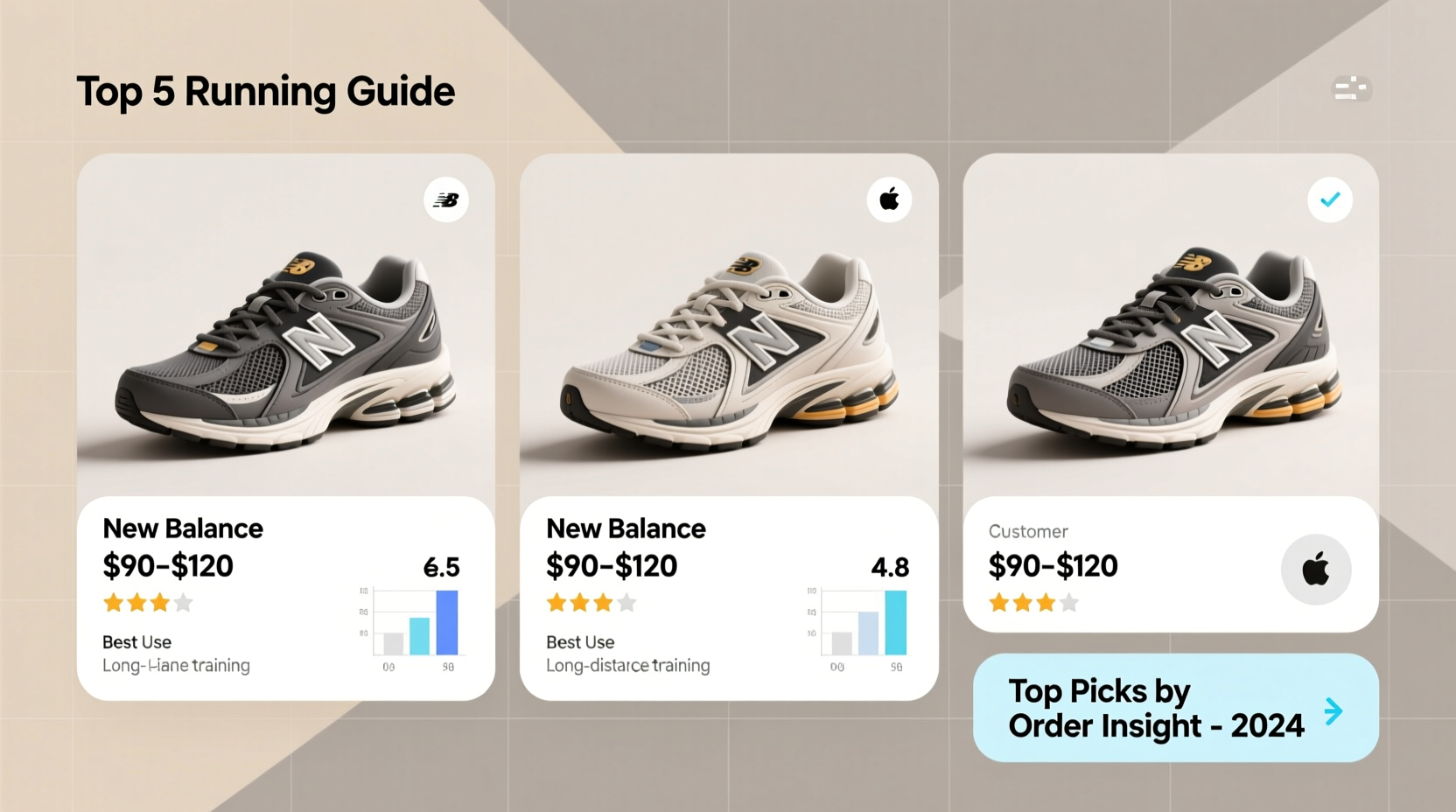
Before diving into price tags or release dates, it’s essential to assess your biomechanics and running goals. New Balance offers specialized shoes tailored to specific foot types and running styles. For example, runners with overpronation benefit from stability models like the New Balance 860v13, while neutral runners may prefer the responsive cushioning of the Revel 7. Trail runners need aggressive outsoles and protective uppers, making the Trail More v2 a strong contender.
A common mistake is choosing a shoe solely based on aesthetics or brand loyalty. Instead, consider:
- Your weekly mileage
- Foot strike pattern (heel, midfoot, forefoot)
- Pronation level (neutral, mild overpronation, severe overpronation)
- Preferred terrain (road, track, trail)
- Weight and responsiveness preferences
Top New Balance Running Shoes by Category and Price
New Balance consistently updates its lineup, balancing innovation with proven design. Below is a curated comparison of top-performing models as of 2024, including average retail prices and best-use scenarios.
| Model | Type | Price Range (USD) | Best For | Key Feature |
|---|---|---|---|---|
| 860v13 | Stability | $145–$160 | Overpronators, daily training | Dual-density medial post |
| 1080v13 | Max Cushion (Neutral) | $180–$190 | Long-distance recovery runs | Hypoknit upper + Fresh Foam X |
| Revel 7 | Speed/Tempo (Neutral) | $150–$160 | Faster-paced training | Balanced stack height & rollbar |
| More Trail v2 | Trail Running | $150–$165 | Rugged terrain, long trail efforts | Aggressive lugs + rock plate |
| TCMRUN v4 | Racing Flat | $175–$185 | Marathons, half-marathons | Carbon fiber plate + FuelCell |
| 880v13 | Neutral Daily Trainer | $130–$140 | All-around road use | Durable outsole + soft ride |
Note that prices vary depending on region, retailer, and timing. Limited colorways or collaborations often command a premium, especially at launch.
Smart Ordering Strategies to Maximize Value
Buying New Balance shoes isn’t just about picking a model—it’s also about when and where to buy. Here’s how to optimize your purchase:
- Time Your Purchase Around Seasonal Sales: Major discounts typically appear around Black Friday, Memorial Day, and end-of-season clearance events. Retailers like Zappos, Running Warehouse, and the official New Balance site often offer 20–30% off older models.
- Check for Authorized Outlet Stores: The New Balance Outlet sells previous-generation shoes at reduced prices—often $30–$60 less than current models—with no compromise on quality.
- Subscribe to Newsletters: Brands and retailers frequently send exclusive discount codes to email subscribers. Signing up can unlock instant savings.
- Compare International Pricing: In some cases, buying from UK or EU sites (e.g., New Balance UK) can yield lower prices, though shipping and import fees must be factored in.
- Wait for Model Updates: When a new version launches (e.g., 860v13 → v14), retailers discount the outgoing model to clear inventory.
Mini Case Study: Saving $50 on a Premium Pair
Sarah, a marathon runner from Denver, wanted the New Balance TCMRUN v4 but hesitated at the $185 retail price. She set a Google alert for “New Balance TCMRUN v4 discount” and joined the mailing list for Running Warehouse. Six weeks later, she received an email offering 25% off all racing flats during a spring promotion. By applying the code and using her rewards points, she paid just $139—a $46 savings. She also ensured the size was in stock by checking multiple warehouses before checkout.
This example underscores the power of patience and proactive monitoring. Sarah didn’t sacrifice quality or authenticity—she simply optimized her buying timeline.
Expert Insight on Fit and Longevity
Finding the right shoe isn’t only about initial comfort—it’s about long-term performance and injury prevention. Footwear experts emphasize the importance of proper fit and usage alignment.
“Runners often underestimate how much their ideal shoe depends on weekly volume and surface type. A shoe that works for 10 miles a week won’t necessarily support 50. Matching the shoe to your load is critical.” — Dr. Lena Torres, Sports Podiatrist and Biomechanics Consultant
She also notes that New Balance’s wider toe box options (available in 2E and 4E widths) are a game-changer for runners with broader feet, reducing the risk of blisters and neuromas. However, she warns against assuming more cushion equals better protection: “Excessive stack height can destabilize runners with weak ankles. Sometimes, a lower-profile shoe like the 880v13 provides better overall support.”
Step-by-Step Guide to Buying Your Next NB Running Shoe
Follow this sequence to ensure a confident, informed purchase:
- Evaluate Your Current Shoes: Note what you liked or disliked—cushioning, fit, breathability.
- Determine Your Primary Use: Daily trainer, tempo runs, racing, or trail adventures?
- Narrow Down 2–3 Models: Use reviews, spec sheets, and community feedback (e.g., r/Running on Reddit).
- Check Multiple Retailers: Compare prices on NewBalance.com, Zappos, REI, and JackRabbit.
- Look for Active Discounts: Search “[Model] + promo code” or check Slickdeals.net.
- Order with Return Flexibility: Choose retailers with free returns in case the fit isn’t perfect.
- Break Them In Gradually: Start with short runs to assess comfort and performance before logging high mileage.
FAQ
Are New Balance running shoes true to size?
Most New Balance models run true to size, but fit varies by model. The 1080 series tends to run slightly roomy, while the Revel line is snugger. Always refer to user reviews for fit notes, and consider ordering half a size up if you have wide feet or plan to wear thick socks.
How long do New Balance running shoes last?
The average lifespan is 300–500 miles, depending on your weight, stride, and surface. High-mileage trainers like the 880v13 often exceed 450 miles, while lightweight racers like the TCMRUN v4 may wear out closer to 300 due to thinner outsoles.
Can I wash my New Balance running shoes?
Hand washing is recommended. Remove the insoles and laces, then wipe down the upper with a damp cloth and mild soap. Avoid submerging the shoe or using a washing machine, as this can damage the midsole foam and adhesives.
Conclusion: Make Every Mile Count
Selecting the best New Balance running shoe isn’t a one-size-fits-all decision—it’s a personalized process rooted in understanding your body, goals, and budget. With the right research, timing, and attention to fit, you can secure a high-performance pair without overspending. Whether you’re logging easy miles in the 1080v13 or chasing a PR in the TCMRUN v4, the right shoe amplifies your effort and protects your joints. Don’t rush the process. Use the strategies outlined here to compare, wait for deals, and order wisely. Your next great run starts with the right foundation.
🚀 Ready to upgrade your run? Revisit your current shoe rotation, identify your next need, and apply these insights to find your perfect NB match—without paying full price.








