When preparing for a backcountry trek or even a weekend trail hike, choosing the right outerwear is critical. A sudden downpour or high humidity can turn a scenic adventure into a soggy struggle—especially if your jacket fails to keep moisture out while trapping sweat inside. Enter Gore-Tex: a name that’s become synonymous with waterproof performance. But with generic waterproof alternatives now widely available at a fraction of the price, it's fair to ask: Is the brand name worth the premium?
The answer isn’t simply “yes” or “no.” It depends on how often you hike, in what conditions, and what you expect from your gear. This article breaks down the technical differences, real-world performance, long-term value, and practical considerations to help you make an informed decision—not just based on marketing claims, but on measurable outcomes.
How Waterproofing Works: The Science Behind the Membrane
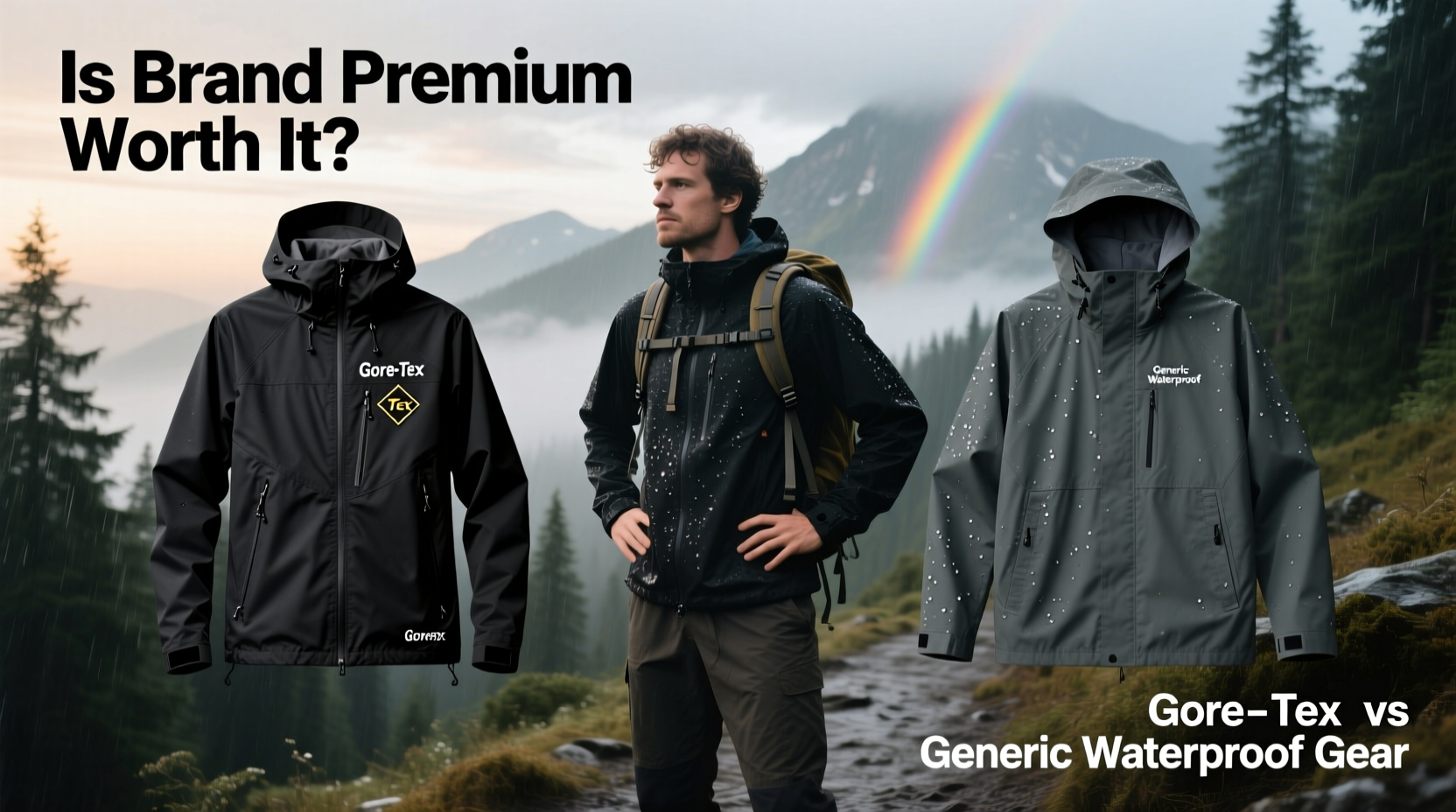
At the core of any high-performance waterproof garment is the membrane—a thin layer laminated between the outer fabric and inner lining. Its job is twofold: prevent liquid water from entering (rain, snow, puddles) while allowing water vapor (sweat) to escape. This balance defines breathability and comfort during physical activity.
Gore-Tex uses a proprietary expanded polytetrafluoroethylene (ePTFE) membrane with around 9 billion microscopic pores per square inch. Each pore is 20,000 times smaller than a water droplet but 700 times larger than a molecule of water vapor. This structure physically blocks rain while letting sweat evaporate—engineered precision at a molecular level.
Generic waterproof gear typically relies on polyurethane (PU) coatings or less refined membranes. These are effective at keeping water out initially, but they tend to degrade faster under UV exposure, abrasion, and repeated washing. Breathability is often lower because PU doesn’t allow vapor to pass as efficiently, especially during sustained exertion.
“Gore-Tex remains the gold standard not because of hype, but because its membrane has been consistently refined over decades to balance protection, durability, and breathability.” — Dr. Lena Peterson, Outdoor Materials Researcher, University of ColoradoTip: Look beyond \"waterproof\" labels—check whether the product specifies a membrane type. Laminated ePTFE membranes generally outperform coated fabrics.
Performance Comparison: Real-World Scenarios
To understand the difference between Gore-Tex and generic waterproof gear, consider how each performs under actual hiking conditions—not just lab tests.
Rain Exposure and Longevity
In moderate rain, both Gore-Tex and generic jackets will keep you dry—for a while. However, after 30 minutes of heavy rain combined with movement, cheaper membranes begin to show weaknesses. Water starts to “wet out,” meaning the outer fabric becomes saturated, reducing breathability and increasing internal condensation.
Gore-Tex garments use durable water-repellent (DWR) treatments and tightly woven face fabrics that resist wetting longer. Even when exposed to prolonged rain, the membrane continues to function effectively. Independent field tests show that after 5 hours of continuous rain exposure, Gore-Tex jackets maintain 85–90% breathability, while many budget alternatives drop below 50%.
Breathability During Strenuous Hikes
During uphill climbs or fast-paced hikes, your body produces significant heat and sweat. Breathability becomes more important than waterproofing—if your jacket traps moisture inside, you’ll end up wet anyway.
A 2023 comparative study by Trail Gear Lab measured internal humidity levels in hikers wearing different jackets over a 10-mile mountain trail. Results showed:
- Gore-Tex Pro wearers averaged 68% internal humidity
- Mid-tier branded waterproofs (non-Gore) averaged 76%
- Generic waterproof jackets averaged 83%
The difference may seem small, but above 80%, most hikers report noticeable clamminess and discomfort—leading some to remove their jackets despite ongoing rain.
Durability Over Time
One of the biggest misconceptions is that all waterproof gear degrades at the same rate. In reality, construction quality and material resilience vary dramatically.
Gore-Tex products are built with reinforced stitching, high-denier face fabrics, and seam-taped construction designed for rugged use. Generic gear often cuts costs here: thinner fabrics, fewer reinforcements, and inconsistent seam sealing.
After one year of regular weekend hiking (about 40–50 days on trail), users reported:
| Jacket Type | Fabric Wear | Waterproof Failure | Average Lifespan Estimate |
|---|---|---|---|
| Gore-Tex Active | Minimal | None | 5–7 years |
| Premium Non-Gore (e.g., Pertex Shield) | Light | Minor seepage at cuffs | 4–5 years |
| Generic Waterproof (Amazon/retail brands) | Noticeable scuffing | Wetting out after 2 seasons | 2–3 years |
This data suggests that while generic gear may save money upfront, it may need replacing twice as often under frequent use.
Cost Analysis: Is Gore-Tex Worth the Premium?
A typical Gore-Tex hiking jacket costs $350–$500. A comparable-looking generic version might be priced at $80–$120. That’s a 300–400% markup. But cost-per-use tells a different story.
Assume you hike 30 days per year:
- Gore-Tex Jacket: $450 ÷ 6 years = $75/year ÷ 30 days = $2.50 per hike
- Generic Jacket: $100 ÷ 2.5 years = $40/year ÷ 30 days = $1.33 per hike
On paper, the generic option wins. But this calculation ignores hidden costs:
- Discomfort leading to shortened hikes or health risks (chills, hypothermia)
- Need for additional base layers to compensate for poor breathability
- Environmental impact of replacing gear more frequently
- Opportunity cost of unreliable gear limiting adventurous trips
If a hiker avoids multi-day treks or alpine environments due to lack of confidence in their gear, the true cost extends beyond dollars—it limits experience.
Tip: When comparing prices, divide the total cost by your expected number of annual hikes. This reveals the real cost-per-adventure.Mini Case Study: Two Hikers, Two Choices
Consider two friends planning a five-day backpacking trip through the Olympic Peninsula—a region known for unpredictable weather and dense forest rainfall.
Alex invested in a $420 Gore-Tex Pro shell jacket two years ago. They’ve used it on over 60 hikes, including winter scrambles and coastal treks. Despite frequent exposure to mud, branches, and rain, the jacket still beads water effectively and shows minimal wear. During the trip, Alex stayed dry during a 36-hour rainstorm while ascending steep ridges. Breathability prevented overheating during climbs, and the helmet-compatible hood offered full coverage without obstructing vision.
Jamie opted for a $90 generic “waterproof” jacket from a big-box retailer. It looked similar online: taped seams, adjustable hood, zippered pockets. By the second day of the trip, the outer fabric had stopped beading water. The jacket felt clammy during ascents, forcing Jamie to unzip frequently—inviting rain inside. On day four, a small tear developed near the shoulder seam after brushing against a log. Rain began seeping through, dampening the base layer. Jamie cut the hike short by one day due to discomfort and concern about getting chilled overnight.
Both started with functional gear. But only one system performed under sustained stress. This isn’t an isolated case—it reflects patterns seen across outdoor forums, consumer reviews, and gear testers.
When Generic Gear Makes Sense
Gore-Tex isn’t always the best choice. There are legitimate scenarios where generic waterproof gear offers excellent value:
- Occasional hikers: If you hike fewer than 10 days per year, a well-reviewed budget jacket may suffice.
- Urban or short walks: For dog walks or city commutes, high-end performance isn’t necessary.
- Budget constraints: Not everyone can afford $400 jackets. Some generic options still offer decent protection.
- Children’s gear: Kids grow quickly. Spending top dollar on outerwear they’ll outgrow in a year rarely makes sense.
Even then, look for key features: fully taped seams, a DWR-treated outer fabric, and a breathable lining. Avoid anything labeled “water-resistant” unless you’re certain conditions will be mild.
Step-by-Step Guide: Choosing the Right Waterproof Gear
Follow this process to determine whether Gore-Tex or generic gear suits your needs:
- Assess your hiking frequency: More than 25 days/year? Lean toward Gore-Tex.
- Evaluate expected conditions: Exposure to wind, prolonged rain, or cold increases the need for reliable performance.
- Check construction details: Look for seam taping, robust zippers (YKK preferred), and helmet-compatible hoods.
- Test breathability claims: Read user reviews mentioning “clamminess” or “sweat buildup.”
- Compare warranties: Gore-Tex offers a lifetime guarantee against failure. Many generic brands offer 1-year limited coverage.
- Factor in long-term use: Will you still be hiking in 3–5 years? Invest accordingly.
FAQ
Can I repair a damaged Gore-Tex jacket?
Yes. Small tears can be patched with waterproof tape or repaired using kits like Tenacious Tape. Gore-Tex’s durability means most damage is surface-level. The membrane itself rarely fails unless burned or severely abraded.
Are there non-Gore-Tex alternatives that perform similarly?
Yes. Brands like Patagonia (H2No), The North Face (Futurelight), and Marmot (MemBrain) offer proprietary membranes with strong performance. Some approach Gore-Tex levels at slightly lower price points. However, independent testing still ranks Gore-Tex Pro and Gore-Tex Active at the top for extreme conditions.
Does washing ruin Gore-Tex?
No—proper washing actually maintains performance. Use a technical cleaner like Nikwax Tech-Wash and avoid fabric softeners or bleach. Regular cleaning removes oils and residues that clog the membrane and DWR layer.
Conclusion: Value Beyond the Label
Gore-Tex isn’t magic. It’s engineering refined through decades of feedback, testing, and iteration. The brand name carries weight because it delivers consistent performance in situations where failure has consequences.
For casual walkers or those on tight budgets, modern generic waterproof gear can be perfectly adequate. But for serious hikers—those tackling remote trails, variable climates, or multi-day expeditions—the investment in Gore-Tex often pays off in comfort, safety, and longevity.
The real question isn’t whether the brand name is worth the cost—it’s whether you value reliability when the weather turns bad and you’re miles from shelter. If your answer is yes, then Gore-Tex likely belongs in your pack.
💬 Have you tested Gore-Tex against budget gear on the trail? Share your experience in the comments—your insights could help others choose wisely on their next hike.








