
Golf is often celebrated as a peaceful, nature-connected sport played across expansive green landscapes. But behind the manicured fairways and pristine greens lies a significant environmental cost. While aesthetically pleasing, most traditional golf courses are ecological intensifiers—consuming vast resources, disrupting ecosystems, and contributing to long-term environmental degradation. From excessive water use to chemical dependency and habitat loss, the environmental footprint of golf course maintenance is far heavier than it appears.
Understanding these impacts is not about vilifying recreation or dismissing golf’s cultural significance. Rather, it's about recognizing where current practices fall short and how innovation, regulation, and awareness can lead to more sustainable models. As climate change accelerates and water scarcity grows, reevaluating how we design and maintain golf spaces becomes both urgent and necessary.
Excessive Water Consumption
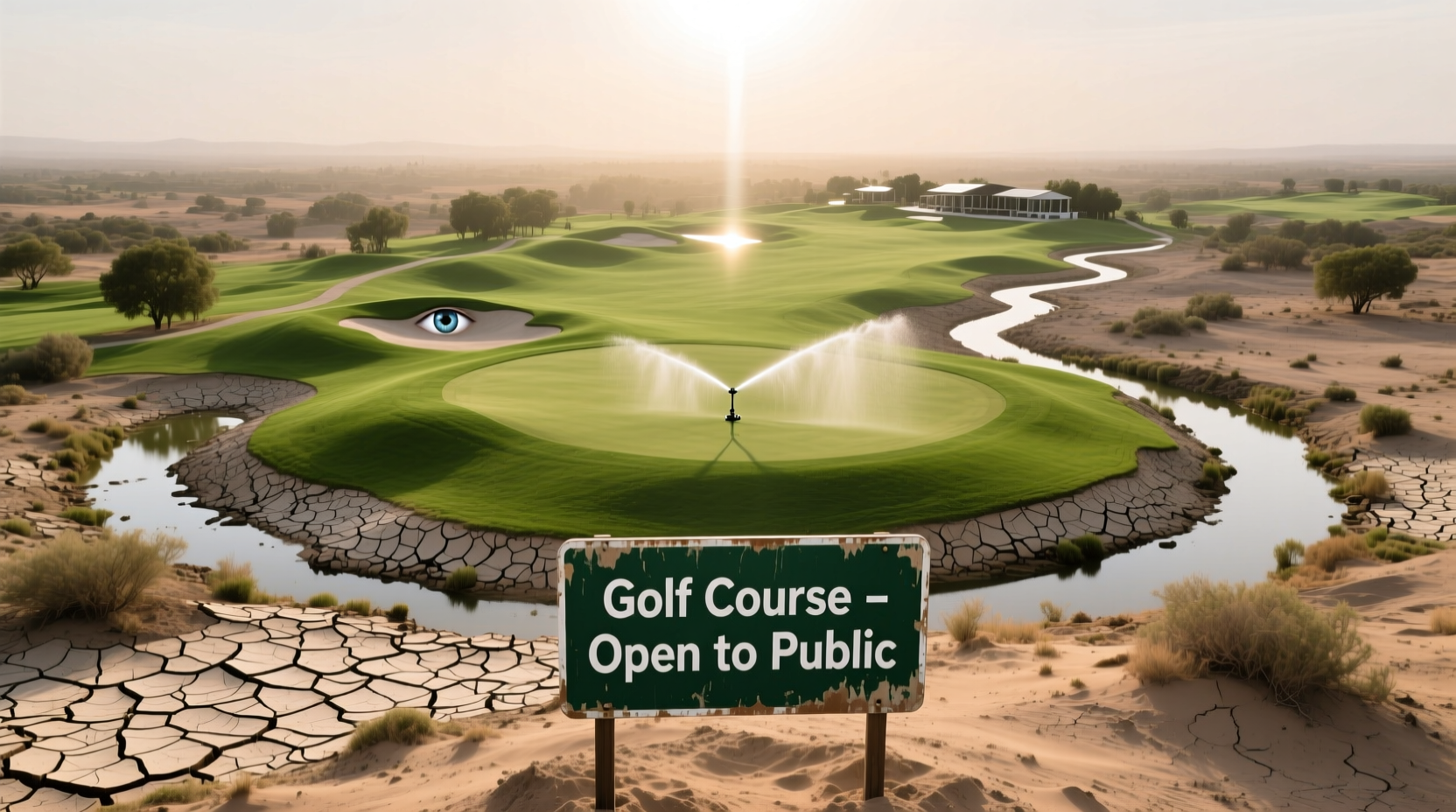
One of the most pressing environmental issues tied to golf courses is their staggering water demand. A typical 18-hole course in a temperate climate uses between 75,000 and 200,000 gallons of water per day. In arid regions like Arizona or Southern California, that number can exceed 300,000 gallons daily during peak seasons.
This water is primarily used for irrigation to maintain lush grass on fairways, tees, and greens—areas that rely on non-native, high-maintenance turfgrass species such as bentgrass or Bermuda grass. These grasses evolved in wetter climates and require constant hydration even in dry environments, making them fundamentally unsustainable without artificial support.
In areas already facing drought conditions, this level of consumption competes directly with agricultural and residential needs. Las Vegas, for example, has over 50 golf courses irrigated largely by water drawn from the shrinking Lake Mead, a critical reservoir on the Colorado River shared by seven U.S. states and Mexico.
Tip: Courses using smart irrigation systems with soil moisture sensors can reduce water usage by up to 30%.Pesticides, Fertilizers, and Chemical Runoff
To achieve the flawless appearance expected by players, golf courses apply large quantities of synthetic fertilizers, herbicides, insecticides, and fungicides. The average course may use thousands of pounds of chemicals annually—many of which are known endocrine disruptors, carcinogens, or toxic to aquatic life.
When rain or irrigation occurs, these substances often leach into nearby waterways through surface runoff. Nitrogen and phosphorus from fertilizers contribute to eutrophication—a process where excess nutrients trigger algal blooms that deplete oxygen in lakes and streams, killing fish and other aquatic organisms.
A study published in *Environmental Pollution* found elevated levels of pesticides in streams adjacent to golf courses, including chemicals banned in agriculture due to toxicity. Because golf is classified as \"recreational land use,\" it often falls outside strict agricultural chemical regulations, allowing unchecked application.
“Golf courses are among the most intensively managed green spaces in the world, yet they operate under minimal environmental oversight.” — Dr. Rebecca Johnson, Environmental Scientist, University of Oregon
Habitat Destruction and Biodiversity Loss
The creation of a golf course typically involves clearing native vegetation, leveling terrain, filling wetlands, and removing trees—all of which fragment or destroy local ecosystems. This transformation replaces diverse habitats with monocultures of turfgrass, offering little value to native wildlife.
Birds, pollinators, amphibians, and small mammals lose food sources, shelter, and breeding grounds. Even so-called “natural” features like water hazards or roughs are often designed for aesthetics rather than ecological function and may still be chemically treated.
In coastal regions, development of golf resorts has led to mangrove deforestation and dune destruction, increasing vulnerability to storm surges and erosion. In tropical destinations like Bali or the Caribbean, luxury golf developments have displaced forests and endangered species while diverting freshwater from communities.
Comparison: Native Land vs. Golf Course Ecosystem Function
| Metric | Natural Ecosystem | Traditional Golf Course |
|---|---|---|
| Biodiversity Index | High (50+ plant/animal species) | Low (5–10 dominant species) |
| Water Retention | Excellent (deep roots, organic soil) | Poor (compacted soil, rapid runoff) |
| Carbon Sequestration | Significant (trees, shrubs, healthy soil) | Negligible (short grass, frequent mowing) |
| Pollinator Support | Strong (native flowers, nesting sites) | Minimal (few flowering plants, pesticide exposure) |
Energy Use and Carbon Emissions
Maintaining a golf course requires constant mechanical intervention. Mowers, leaf blowers, aerators, and sprayers run daily, consuming fossil fuels and emitting greenhouse gases. An average course may deploy a fleet of 10–15 gas-powered machines operating 6–8 hours a day.
Cumulatively, this results in substantial carbon emissions. According to the Golf Course Superintendents Association of America (GCSAA), a single riding mower emits roughly 200 grams of CO₂ per acre mowed. With an 18-hole course covering 125 acres, that’s over 25 kilograms of CO₂ daily—equivalent to driving a car nearly 100 miles.
Add to this the energy required for pumping and treating irrigation water, clubhouse operations, and transportation (players commuting long distances), and the full carbon footprint becomes considerable. Despite being set in open landscapes, many courses contribute disproportionately to local air pollution and climate change.
Real-World Example: The Desert Mirage of Palm Springs
Palm Springs, California, hosts over 100 golf courses in a desert region receiving less than 5 inches of rainfall annually. One course, the Indian Wells Golf Resort, spans 630 acres and uses approximately 1.4 billion gallons of water each year—enough to supply over 10,000 homes.
While some courses have adopted recycled wastewater for irrigation, many still rely on groundwater or imported supplies. Local aquifers are declining, and subsidence—ground sinking due to over-pumping—has been documented in surrounding areas.
In response, community activists and environmental groups have called for stricter limits on new course development and incentives for converting underused courses into solar farms or native habitat preserves. Some cities, like Scottsdale, now require new courses to use 100% reclaimed water.
Toward Sustainable Alternatives: A Step-by-Step Guide
Not all golf courses must remain ecologically destructive. Forward-thinking designers and managers are proving that sustainability and playability can coexist. Here’s how:
- Replace turfgrass with native groundcovers: Use drought-tolerant plants adapted to local conditions. Buffalograss or clover require less mowing, water, and chemicals.
- Install smart irrigation systems: Utilize weather-based controllers and soil moisture sensors to apply water only when needed.
- Eliminate synthetic chemicals: Transition to organic fertilizers and integrated pest management (IPM) strategies.
- Restore natural habitats: Convert unused roughs or out-of-play areas into pollinator meadows, bird sanctuaries, or wetland buffers.
- Electrify maintenance equipment: Switch to battery-powered mowers and utility vehicles to cut emissions and noise pollution.
- Reimagine course design: Build shorter, walkable “ecogolf” or “minigolf” layouts that minimize land use and resource demands.
Checklist: Is Your Local Course Environmentally Responsible?
- ✅ Uses reclaimed or non-potable water for irrigation
- ✅ Limits turfgrass area to essential playing zones
- ✅ Avoids or minimizes synthetic pesticide use
- ✅ Maintains natural buffer zones around water bodies
- ✅ Employs electric or low-emission maintenance equipment
- ✅ Participates in habitat restoration or certification programs
- ✅ Provides public access or community green space benefits
Frequently Asked Questions
Can golf courses be good for the environment?
Some redesigned or retrofitted courses can provide limited ecological benefits—such as stormwater filtration, urban heat reduction, or pollinator corridors. However, most conventional courses remain net environmental liabilities unless significant changes are made in design and management.
Are there eco-friendly golf balls and equipment?
Yes. Biodegradable golf balls made from fish food or plant-based resins are available for use in sensitive areas. Additionally, clubs made from sustainable materials and recyclable components are emerging, though their impact is minor compared to course operations.
What can players do to reduce their environmental impact?
Golfers can choose courses with sustainability certifications, walk instead of using carts, avoid hitting balls into water hazards, and advocate for greener practices within clubs and associations.
Conclusion: Rethinking the Fairway
The traditional golf course model is increasingly at odds with planetary boundaries. In an era defined by water stress, biodiversity collapse, and climate instability, maintaining vast lawns of thirsty, chemically dependent grass is no longer justifiable without accountability.
Yet change is possible. By embracing ecological design, reducing inputs, and repurposing land for greater public and environmental benefit, the golf industry can evolve. Whether through retrofitting existing courses or designing entirely new forms of low-impact recreation, the future of golf doesn’t have to come at nature’s expense.
🚀 Take action today: Support sustainable golf initiatives, ask your local course about their environmental practices, and share this knowledge to help shift the culture of the game toward stewardship.








