Fishing for striped bass from shore is a dynamic and rewarding challenge. Unlike boat fishing, shore-based angling demands precision, power, and adaptability. The right rod can mean the difference between landing a trophy fish and watching it swim away after a long fight. With countless options on the market, choosing the best rod for striper fishing from shore doesn’t have to be overwhelming. By understanding your fishing environment, target conditions, casting needs, and financial limits, you can select a rod that performs reliably—without breaking the bank.
Understand the Demands of Shore-Based Striper Fishing
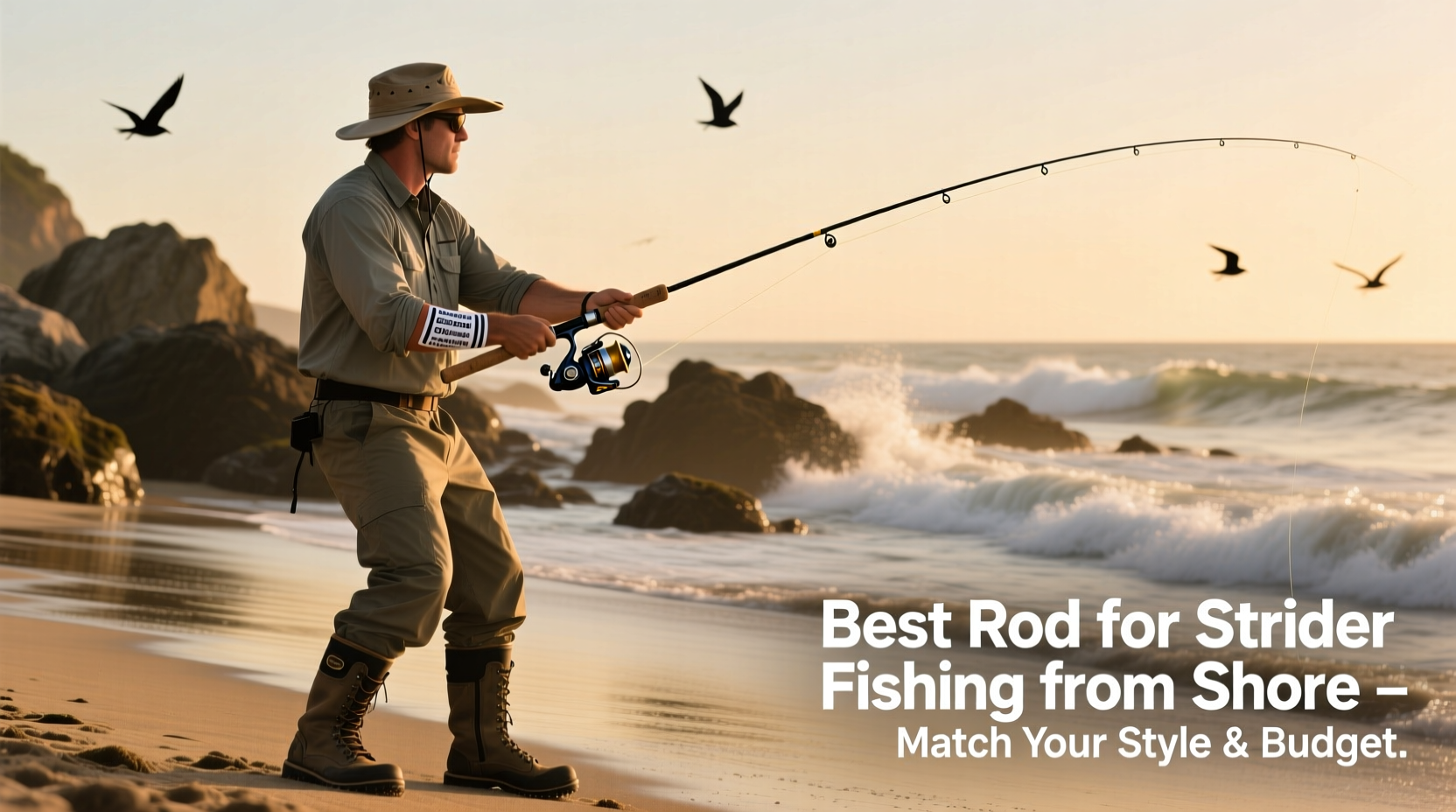
Striped bass caught from shore are often strong, aggressive, and accustomed to powerful currents and structure-heavy zones like jetties, rock walls, and tidal inlets. These conditions require rods with backbone strength to handle heavy lines, large lures, and sudden surges. Unlike calm inland waters, shore fishing frequently involves long casts into moving water, which means your rod must balance casting distance with control.
A typical striper caught from shore ranges from 20 to 40 pounds, though larger specimens are common in prime locations like the Chesapeake Bay, Long Island Sound, or the Maine coast. To manage these fish effectively, especially when fighting them around rocks or piers, you need a rod that offers both sensitivity and durability.
Tip: Prioritize rods with moderate-fast to fast action—they provide better hook-setting power and improved feedback during retrieves.Key Rod Features That Matter for Shore Anglers
Selecting the right rod isn’t just about length or price—it’s about matching performance characteristics to real-world fishing scenarios. Here are the most critical features to evaluate:
- Length (7–10 feet): Longer rods (8.5–10 ft) improve casting distance, essential when reaching beyond surf breaks. Shorter rods (7–8 ft) offer more control near structures but sacrifice range.
- Power (Medium-Heavy to Heavy): Stripers put up strong resistance. A medium-heavy or heavy power rod handles 15–30 lb test line and drives hooks home through tough mouths.
- Action (Fast to Extra-Fast): Fast-action rods load quickly during casting and deliver sharp hooksets. They’re ideal for live bait rigs, topwater plugs, and swimbaits.
- Material (Graphite vs. Composite): Graphite offers superior sensitivity but may lack durability in rocky zones. Composite (graphite/fiberglass blends) adds toughness at the cost of some feel.
- Handle Design: EVA foam or cork handles provide grip in wet conditions. Consider longer handles for two-handed casting if using heavy lures.
“Shore fishing for stripers isn’t about finesse—it’s about reach, resilience, and recovery. Your rod has to launch baits far, survive abrasion, and keep bending without breaking.” — Captain Ray Thompson, Northeast Saltwater Guide
Matching Rods to Your Fishing Style and Budget
Not all shore anglers fish the same way. Some prefer light-tackle poppers at dawn; others cast heavy bucktails over deep holes at night. Your technique and preferred gear should guide your choice as much as your budget.
| Fishing Style | Recommended Rod Specs | Budget Range | Suggested Use Cases |
|---|---|---|---|
| Light Tackle / Topwater | 7'6\"–8'6\", Medium-Heavy, Fast Action | $80–$150 | Dawn/dusk poppers, pencil baits, shallow water flats |
| All-Around Casting | 8'6\"–9'6\", Heavy, Fast Action | $120–$220 | Jetties, beaches, mixed lure/bait setups |
| Long-Distance Surf Fishing | 9'6\"–10', Heavy/Extra-Heavy, Moderate-Fast | $100–$180 | Deep troughs, weighted rigs, sandbars |
| Pier & Structure Fishing | 7'–8', Heavy, Extra-Fast | $130–$250 | Rocky outcrops, pilings, vertical jigging |
Budget-conscious anglers can find excellent value in mid-tier brands like Ugly Stik GX2, Penn Battalion, or Shimano Traverse. These rods blend durability with performance and typically last several seasons with proper care. High-end models from G. Loomis, St. Croix, or Dobyns offer enhanced sensitivity and lighter weight but come with premium pricing.
Step-by-Step Guide to Choosing Your Ideal Striper Rod
Follow this logical process to narrow down your options efficiently:
- Assess your primary fishing location. Are you casting from sandy beaches, rocky headlands, or urban piers? This determines required length and durability.
- Identify your go-to techniques. Do you use soft plastics, live eels, metal jigs, or surface walkers? Match rod power to lure weight.
- Determine your max casting distance needs. If you're consistently short of feeding zones, prioritize longer, faster rods.
- Set a realistic budget. Allocate funds not just for the rod, but also a compatible reel and spare line.
- Test before buying (if possible). Visit a local shop to flex different models. Notice how they feel when loaded.
- Check warranty and customer support. Brands like St. Croix and Shimano offer lifetime or extended warranties on select models.
Real-World Example: A Weekend Angler’s Success Story
Mike R., a recreational angler from Rhode Island, spent years struggling to land schoolie stripers from local jetties. He used a short, lightweight freshwater rod that couldn’t cast beyond the first wave break. After researching shore-specific gear, he invested $140 in a 9-foot Penn Battalion surf rod with heavy power and fast action. Paired with a 5000-size spinning reel and 25 lb braid, the setup allowed him to cast 1 oz bucktails over 100 yards.
Within weeks, Mike landed his first double-digit striper—and three more that season. “I didn’t realize how much my old rod was holding me back,” he said. “The right tool made shore fishing actually productive.”
Frequently Asked Questions
Can I use a freshwater rod for shore-based striper fishing?
While possible in calm conditions, freshwater rods generally lack the corrosion resistance, power, and length needed for consistent success. Saltwater rods feature sealed guides, anodized components, and stronger blanks designed to withstand harsh environments.
What’s more important: rod length or power?
Both matter, but prioritize based on your setting. Length improves casting distance in open surf; power ensures you can control hard-pulling fish near structure. For most shore anglers, an 8.5- to 9.5-foot heavy-power rod strikes the best balance.
How long should a striper rod last?
With proper care—rinsing after each use, storing horizontally, and avoiding dry-swinging—a quality saltwater rod should last 5–7 years of regular use. Cheaper models may degrade faster, especially in UV-heavy or abrasive conditions.
Final Checklist Before You Buy
- ✅ Confirmed rod length fits my casting environment (beach vs. pier)
- ✅ Power rating matches my typical lure weight (e.g., 1–3 oz)
- ✅ Action type supports my preferred retrieval style (fast twitch vs. slow roll)
- ✅ Materials are saltwater-rated (stainless steel guides, corrosion-resistant finish)
- ✅ Handle feels comfortable during extended use
- ✅ Within budget, including reel compatibility
- ✅ Brand offers warranty or replacement policy
Take Action and Upgrade Your Shore Game
Finding the best rod for striper fishing from shore doesn’t require chasing the most expensive model or following trends. It’s about aligning your gear with your actual fishing habits, environment, and goals. Whether you're a weekend warrior or a dedicated surf caster, investing in a purpose-built rod transforms frustration into fulfillment. The next tide could bring your personal best—if you're equipped to reach it.
💬 Found your perfect shore rod? Share your setup and experience in the comments below—your insight could help another angler make the right choice.








