Headbands are more than just accessories—they serve functional roles in managing hair during activity and enhancing personal style in everyday wear. Yet when it comes to choosing between fashion headbands and sports headbands, many people face a dilemma: should they prioritize aesthetics or performance? The ideal headband must stay securely in place while complementing your look, whether you're at the gym, running errands, or attending a brunch with friends. This article breaks down the key differences between fashion and sports headbands, evaluates their staying power and visual appeal, and helps you make an informed decision based on your lifestyle.
Design and Purpose: Built for Different Goals
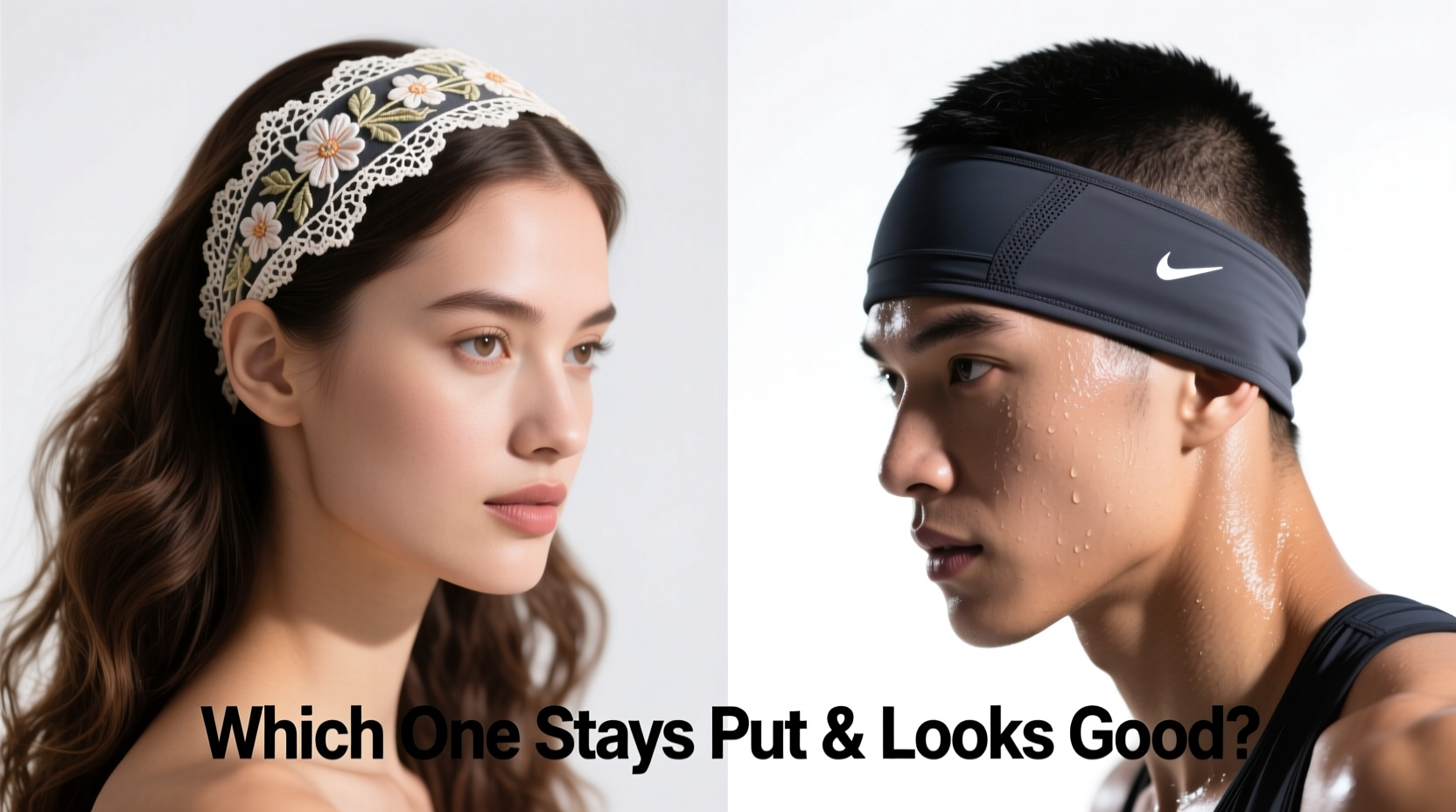
Fashion headbands and sports headbands originate from distinct design philosophies. Fashion headbands focus on aesthetic expression—crafted from satin, velvet, embellished metals, or woven fabrics, they’re made to elevate an outfit. These often feature wide bands, sculpted shapes, or decorative elements like pearls, rhinestones, or bows. Their purpose is primarily stylistic, meant to frame the face and add flair to casual or formal ensembles.
Sports headbands, by contrast, are engineered for utility. They are typically made from moisture-wicking materials such as polyester-spandex blends, silicone-lined grips, or ribbed knits designed to absorb sweat and maintain traction. Their primary function is to keep hair out of the eyes during physical activity, especially high-motion workouts like running, tennis, or yoga. Unlike fashion variants, sports headbands prioritize fit, friction, and durability over ornamentation.
Tip: If you need both style and function, consider hybrid headbands that blend sleek design with non-slip technology.Grip and Security: Which One Stays Put?
The ability of a headband to stay in place depends on three factors: material composition, internal structure, and fit mechanics. Sports headbands generally win in this category due to intentional engineering. Many include silicone strips along the inner band or textured linings that increase surface friction against the scalp. Some even use double-layer fabric systems—one soft layer against the skin and a grippy backing—to prevent slippage during movement.
Fashion headbands, especially those made of smooth materials like silk or thin plastic, tend to slide off during activity. Wider styles may stay put initially but can shift with sudden head turns or wind exposure. Metal-framed designs offer better stability but are less comfortable during prolonged wear or sweating. In humid conditions or when perspiring, satin and velvet lose grip quickly, making them impractical for active use.
“From a biomechanics standpoint, grip consistency under motion is what separates performance headwear from decorative pieces.” — Dr. Lena Torres, Sports Ergonomics Researcher, University of Colorado
Style and Versatility: Where Each Shines
When it comes to appearance, fashion headbands have a clear advantage. They’re designed to be statement pieces—ideal for photo shoots, date nights, or adding polish to a low-effort hairstyle. A well-chosen fashion headband can transform a simple ponytail into a runway-ready look. Materials like faux pearls, embroidered lace, or metallic finishes align with seasonal trends and work seamlessly with curated wardrobes.
Sports headbands, while increasingly stylish, still lean toward minimalism. Brands now offer color-coordinated sets, logo detailing, and sleek profiles that transition from gym to streetwear, but they rarely match the elegance of high-end fashion options. That said, some athletic brands have bridged the gap with minimalist fabric headbands in neutral tones that pair well with athleisure or casual outfits—proving functionality doesn’t have to mean sacrificing all sense of style.
Comparison Table: Key Features at a Glance
| Feature | Fashion Headbands | Sports Headbands |
|---|---|---|
| Primary Use | Styling, fashion enhancement | Activity, sweat management |
| Materials | Satin, velvet, metal, plastic, embellishments | Polyester, spandex, silicone, terry cloth |
| Grip Level | Low to moderate (slips when wet) | High (non-slip lining, stretch fit) |
| Sweat Resistance | Poor (absorbs moisture, loses shape) | Excellent (wicks moisture, retains form) |
| Comfort During Activity | Limited (can pinch or slide) | High (designed for motion) |
| Style Flexibility | High (trend-forward, expressive) | Moderate (clean, sporty aesthetics) |
Real-World Test: Yoga Instructor’s Experience
Sophie Ramirez, a certified yoga instructor and lifestyle blogger, tested both types during her weekly teaching schedule. She wore a velvet claw-clip headband for two classes and switched to a silicone-grip athletic band for the next two. Her observations were telling.
“The velvet piece looked beautiful in the studio lighting and paired perfectly with my linen set,” she shared. “But within ten minutes of flowing through sun salutations, it started slipping back. By the time we reached warrior poses, I had to pause and adjust it twice.”
Switching to her black moisture-wicking sports headband, she noted immediate improvement. “It stayed completely secure—even during inversions. It wasn’t as glamorous, but I didn’t have to worry about it once. For teaching, reliability matters more than sparkle.”
She now reserves fashion headbands for post-class photos or casual wear, using performance styles during actual sessions. Her takeaway: know your context. Style wins for presentation; grip wins for participation.
Choosing the Right One: A Practical Checklist
Selecting the best headband isn't about picking one type over the other—it's about matching the accessory to your needs. Use this checklist to guide your choice:
- ✅ Are you engaging in physical activity? → Choose sports headband
- ✅ Will you be sweating or exposed to humidity? → Opt for moisture-wicking fabric
- ✅ Is visual impact a priority (e.g., event, photo)? → Fashion headband preferred
- ✅ Do you want one item for multiple uses? → Look for hybrid designs
- ✅ Is comfort during extended wear important? → Check padding, seam placement, and weight
- ✅ Do you have fine or slippery hair? → Prioritize internal grip features
Hybrid Solutions: The Best of Both Worlds?
A growing number of brands are introducing hybrid headbands—pieces that merge the visual appeal of fashion accessories with the functional integrity of athletic gear. These often feature subtle silicone strips hidden beneath fabric coverings, allowing for secure fit without compromising elegance. Some use breathable cotton blends in trendy colors or patterns, making them suitable for light workouts, walking meetings, or weekend outings.
For example, certain linen-blend headbands now come with elasticized undersides that anchor gently behind the ears, offering moderate grip while maintaining a relaxed, bohemian look. Others incorporate micro-grippers inside satin bands, improving hold without altering the exterior design. While not ideal for intense training, these hybrids perform well in transitional settings where both appearance and practicality matter.
Tip: When shopping for hybrids, check product descriptions for terms like “non-slip interior,” “stay-put band,” or “light workout compatible.”FAQ
Can I wear a fashion headband to the gym?
It’s possible, but not recommended for vigorous activity. Most fashion headbands lack sweat absorption and secure grip, increasing the likelihood of slippage. You’ll likely spend more time adjusting than focusing on your workout.
Do sports headbands damage hair?
Generally, no. High-quality sports headbands are made with soft, seamless interiors that reduce friction. However, wearing tight elastic bands daily may cause tension on edges or temples. Rotate styles and avoid excessive tightness to minimize strain.
Are there stylish sports headbands for everyday wear?
Yes. Many athletic brands now design performance headbands in muted tones, minimalist logos, and streamlined silhouettes that pair well with jeans, jackets, or casual dresses. Think of them as elevated basics—functional yet fashion-aware.
Final Thoughts: Function First, Form Follows
The debate between fashion and sports headbands ultimately comes down to intent. If your goal is to look polished in a static setting, a fashion headband delivers unmatched charm. But if movement, comfort, and reliability are priorities, a sports headband proves superior in every measurable way.
The good news? You don’t have to choose just one. Building a small rotation allows you to enjoy the strengths of both. Keep a few sleek sports styles for active days and a couple of standout fashion pieces for moments when style takes center stage. And as the market evolves, keep an eye on innovative hybrids—they might just offer the balance you’ve been searching for.
💬 Which headband do you reach for most often—and why? Share your go-to style and experience in the comments below. Your insight could help others find their perfect fit!








