
For outdoor enthusiasts seeking a dependable entry into paddling, the Explorer 10.4 Sit-On-Top Kayak stands out as a balanced blend of stability, comfort, and ease of use. Designed with recreational paddlers in mind—whether fishing, touring calm lakes, or introducing family members to kayaking—this model delivers consistent performance without overwhelming complexity. Built for durability and user-friendly handling, it’s no surprise that the Explorer 10.4 has become a staple among beginner-to-intermediate kayakers across North America.
Unlike specialized performance kayaks that prioritize speed or tracking, the Explorer 10.4 focuses on accessibility and real-world usability. Its sit-on-top design eliminates the need for complex entry techniques, making it ideal for those with mobility concerns or limited experience. At 10 feet 4 inches long and constructed from high-density polyethylene (HDPE), this kayak withstands sun, impact, and regular transport while maintaining buoyancy and predictable handling.
Why Choose a Sit-On-Top Design?
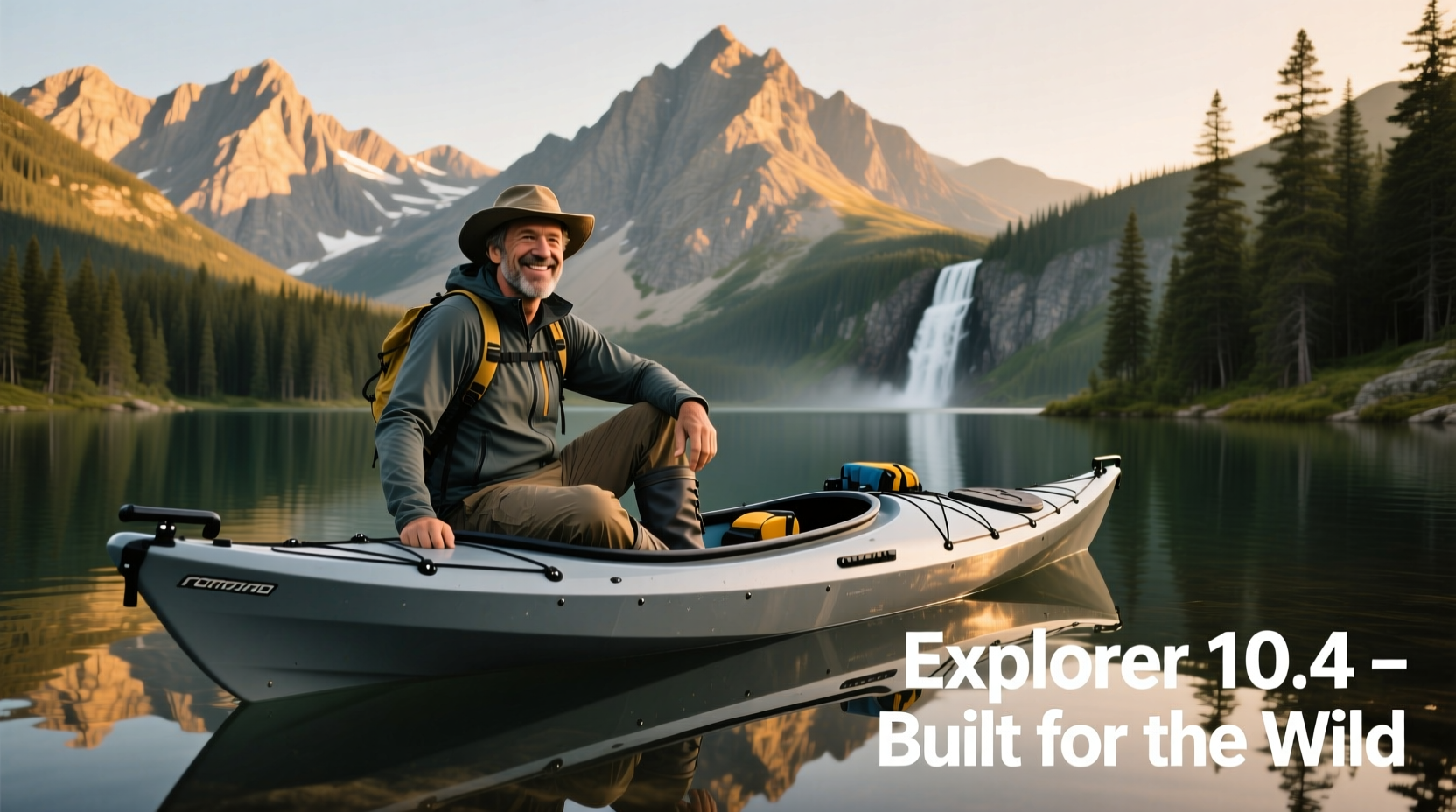
Sit-on-top kayaks differ significantly from traditional sit-inside models. Instead of enclosing the paddler within a cockpit, these designs feature an open deck where users sit atop the hull. This configuration offers several advantages:
- Ease of Entry/Exit: No need to slide legs into a confined space—ideal for older adults or those with joint issues.
- Self-Bailing Scuppers: Small holes allow water to drain naturally, reducing the risk of swamping during splashy conditions.
- Stability First: Wider beam (typically 30+ inches) enhances lateral stability, minimizing tipping risks.
- Versatility: Easier to mount accessories like rod holders, dry bags, or camera mounts.
The Explorer 10.4 leverages all these benefits. Its molded-in footwells, ergonomic high-back seat, and ample deck space make extended outings comfortable. Because there’s no cockpit to seal, self-rescue after a capsize is simpler—just climb back on and continue.
Tip: Always wear a personal flotation device (PFD) when paddling, even in calm waters. The U.S. Coast Guard reports that over 80% of drowning victims in small craft incidents were not wearing life jackets.Key Features and Real-World Performance
Beyond its structural advantages, the Explorer 10.4 includes thoughtful features that enhance day-to-day usability:
- Molded Carry Handles: Front and rear handles simplify transport, especially when two people are available.
- Integrated Storage Hatches: A large front hatch provides dry storage for gear; bungee cords up front secure extra items like spray skirts or picnic supplies.
- Adjustable Seat: Padded, breathable fabric with multiple recline positions reduces fatigue on longer trips.
- Compatibility with Accessories: Fits rod holders, paddle leashes, and aftermarket seating upgrades.
In practice, the kayak tracks reasonably well in light wind and moderate current. While not designed for racing, its moderate V-hull helps maintain direction without constant correction. Users report being able to cover 5–7 miles comfortably in a single outing, depending on fitness level and water conditions.
“Recreational kayaks should serve as gateways, not barriers. The Explorer 10.4 gets this right—forgiving enough for first-timers, yet sturdy enough for weekly use.” — Dr. Mark Tolbert, Outdoor Recreation Researcher, University of Vermont
Comparison: Explorer 10.4 vs. Competing Models
| Model | Length | Weight Capacity | Hull Material | Price Range (USD) | Best For |
|---|---|---|---|---|---|
| Explorer 10.4 | 10'4\" | 300 lbs | HDPE Polyethylene | $380–$450 | Beginners, casual lake paddling, fishing |
| Intex Challenger K2 | 9'6\" | 250 lbs | PVC Inflatable | $120–$160 | Budget buyers, short-term use |
| Perception Tribe 11.5 | 11'6\" | 325 lbs | Roto-molded PE | $600–$700 | Longer excursions, improved tracking |
| Old Town Vapor 10 | 10'0\" | 250 lbs | Fortified Polyethylene | $550–$620 | Faster paddling, slimmer profile |
As shown, the Explorer 10.4 occupies a sweet spot between affordability and functionality. It undercuts premium brands by $150–$200 while offering greater rigidity and longevity than inflatable alternatives. Though slightly shorter than some competitors, its weight capacity remains competitive, accommodating most adult paddlers with room for light gear.
Step-by-Step: Getting Started with Your Explorer 10.4
Maximizing your experience starts with proper setup and routine practices. Follow this timeline to ensure safety and enjoyment:
- Unbox and Inspect: Check for shipping damage, verify all components (seat, scupper plugs, handles).
- Assemble the Seat: Attach the backrest to the base using provided clips or straps; adjust tension for comfort.
- Transport Safely: Use a roof rack with padded crossbars or a trailer. Never drag the kayak across rough surfaces.
- Launch Properly: Enter from shallow water or a dock. Position feet in wells, grip paddle correctly, and push off gently.
- Paddle Efficiently: Use torso rotation, not just arms. Maintain a relaxed grip and steady rhythm.
- Post-Trip Care: Rinse with fresh water, especially after saltwater use. Store upside down in shade to prevent UV degradation.
Real Example: A Weekend on Lake Minnetonka
Consider Sarah, a teacher from Minneapolis, who purchased her Explorer 10.4 last spring. With no prior kayaking experience, she was initially nervous about balance and safety. On her first outing at Lake Minnetonka Regional Park, she launched from a public dock with her dog, Max, riding in front of her feet secured with a leash tether.
Despite gusty winds creating small waves, the kayak remained stable. The self-bailing scuppers handled splashes effectively, and Sarah appreciated the contoured seat during a two-hour paddle around the cove. She anchored briefly near a sandbar to eat lunch and later used a mounted phone case to capture photos of loons. By day’s end, she’d logged nearly six miles and felt confident enough to plan a second trip the following weekend.
This scenario reflects common feedback: the Explorer 10.4 lowers the barrier to participation while delivering genuine utility for recreation, light fishing, or nature observation.
Frequently Asked Questions
Can the Explorer 10.4 handle rivers or only lakes?
It performs best on calm lakes, slow-moving rivers, and protected bays. Avoid whitewater or fast currents. In Class I rivers (very mild flow), proceed with caution and wear appropriate safety gear.
Is assembly required?
No major assembly is needed. You simply attach the seat (which takes under five minutes) and install scupper plugs if you want to prevent water ingress in flat conditions.
How do I store it during winter?
Store indoors if possible—garage or shed—to avoid prolonged UV and freezing temperature exposure. If stored outside, cover with a breathable tarp and elevate off the ground to prevent moisture buildup.
Checklist: Before Every Paddle
- ✔ Wear a properly fitted PFD
- ✔ Pack water, sunscreen, and a whistle
- ✔ Confirm weather and wind forecasts
- ✔ Secure loose items in dry bags or hatches
- ✔ Check that scupper holes are clear (or plugged, if desired)
- ✔ Notify someone of your route and return time
Conclusion: A Smart Choice for Sustainable Water Adventures
The Explorer 10.4 Sit-On-Top Kayak isn’t built for extreme expeditions—but that’s precisely why it works so well for everyday paddlers. Its thoughtful design prioritizes accessibility, resilience, and comfort, allowing users to focus on the experience rather than technical challenges. Whether you're exploring local ponds, teaching kids how to paddle, or enjoying solo sunrise sessions, this kayak delivers reliable performance year after year.
💬 Ready to hit the water? Share your first adventure with the Explorer 10.4 in the comments below—or ask fellow readers for launch spot recommendations near you!








