
Modern driving has evolved far beyond simply getting from point A to B. Today’s vehicles are equipped with advanced technologies that transform the driving experience into something smarter, safer, and more connected. From fully autonomous prototypes to intelligent dash cams and real-time diagnostics, high-tech cars and smart accessories are reshaping what it means to be behind the wheel. Whether you drive a daily commuter or a weekend road-trip vehicle, integrating smart technology can significantly improve performance, convenience, and peace of mind.
The Rise of High-Tech Cars
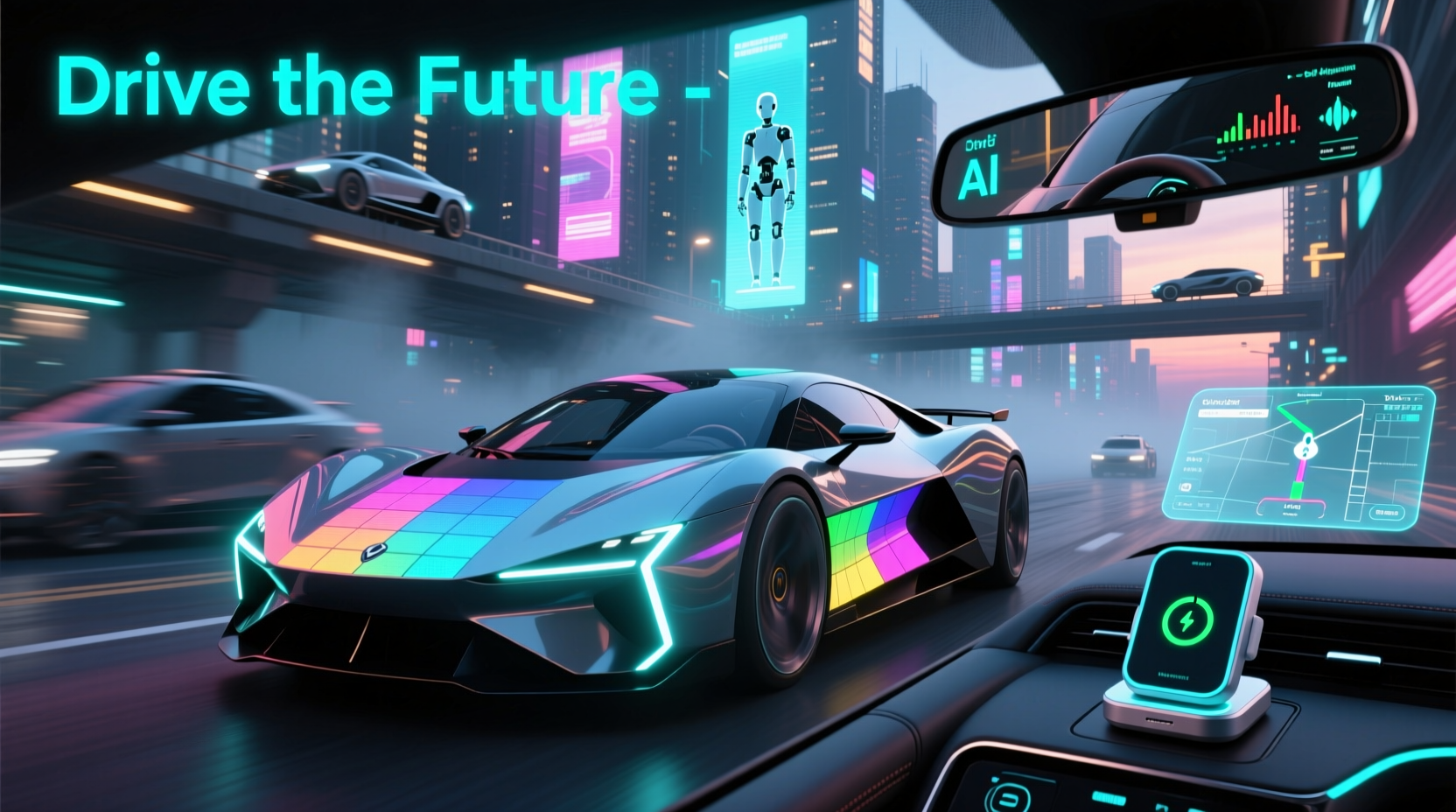
Over the past decade, automakers have shifted focus from mechanical engineering to digital innovation. Modern vehicles now feature over-the-air software updates, AI-driven driver assistance, biometric access, and seamless smartphone integration. Electric vehicles (EVs) like Tesla’s Model S, Hyundai Ioniq 5, and BMW iX exemplify this shift, offering not just zero emissions but also full digital cockpits and predictive navigation.
One of the most significant advancements is in Advanced Driver Assistance Systems (ADAS). These include adaptive cruise control, lane-keeping assist, automatic emergency braking, and blind-spot monitoring. According to the Insurance Institute for Highway Safety (IIHS), vehicles equipped with ADAS features reduce crash rates by up to 27%.
“Cars today are essentially computers on wheels. The integration of AI and machine learning is making them safer and more intuitive than ever.” — Dr. Lena Patel, Automotive Technology Researcher at MIT
Key Features Defining High-Tech Vehicles
- Autonomous Driving Capabilities: Levels 2–3 autonomy allow partial self-driving under specific conditions.
- Digital Dashboards: Fully customizable instrument clusters replace analog gauges.
- Voice-Activated Infotainment: Natural language processing enables hands-free control of climate, music, and navigation.
- Vehicle-to-Everything (V2X) Communication: Cars communicate with traffic signals, other vehicles, and infrastructure to anticipate hazards.
- OTA Updates: Software improvements delivered wirelessly, enhancing performance without dealership visits.
Smart Automotive Accessories Every Driver Should Consider
Even if your current vehicle isn’t a flagship model, you can still upgrade its intelligence with aftermarket smart accessories. These devices bridge the gap between traditional automobiles and connected mobility, offering real benefits without requiring a new car purchase.
Top Smart Accessories by Function
| Accessory | Primary Benefit | Ideal For |
|---|---|---|
| OBD2 Telematics Dongles | Real-time engine diagnostics and trip tracking | Fleet managers, cost-conscious drivers |
| Smart Dash Cams | Collision detection, cloud storage, GPS logging | Urban drivers, ride-share operators |
| Wireless Phone Mounts with Charging | Hands-free navigation and battery top-up | Commuters, long-distance travelers |
| Tire Pressure Monitoring Systems (TPMS) | Alerts for underinflation, improving fuel efficiency | All drivers, especially in variable climates |
| Bluetooth OBD2 Scanners | DIY engine fault code reading via smartphone app | Home mechanics, budget maintainers |
Case Study: How a Commuter Transformed Her Daily Drive
Sarah, a 34-year-old marketing manager in Seattle, spent two hours each day in traffic. Frustrated by poor fuel economy and frequent maintenance surprises, she invested $250 in smart upgrades: a Garmin Dash Cam Tandem, an Automatic Pro OBD2 adapter, and a MagSafe-compatible wireless charger.
Within weeks, the OBD2 device alerted her to a failing oxygen sensor—catching it before major engine damage occurred. The dash cam recorded a near-miss at an intersection, providing evidence that helped resolve an insurance inquiry quickly. Most importantly, real-time feedback on hard braking and acceleration helped her improve driving habits, increasing her fuel efficiency by 14%.
“I didn’t think small gadgets could make such a difference,” Sarah said. “Now I feel more in control, even in gridlock.”
Step-by-Step Guide to Upgrading Your Car’s Intelligence
Integrating smart technology doesn’t require technical expertise. Follow this timeline to enhance your vehicle safely and effectively:
- Week 1: Assess Your Needs
Identify pain points—frequent breakdowns? Poor navigation? Safety concerns? Prioritize solutions accordingly. - Week 2: Install an OBD2 Diagnostic Tool
Plug into the port (usually under the dashboard) and pair with a smartphone app to monitor engine health. - Week 3: Add a Smart Dash Cam
Choose one with loop recording and cloud backup. Mount securely and test during daylight. - Week 4: Upgrade Charging & Mounting
Install a magnetic or vent-mounted wireless charger compatible with your phone. - Ongoing: Review Data Monthly
Check diagnostic reports, update firmware, and adjust driving behavior based on insights.
Expert Tips for Maximizing Smart Car Technology
Tip: Always secure cloud-based dash cam footage immediately after incidents—some services auto-delete older clips. Tip: Disable unnecessary notifications on connected apps while driving to avoid distractions, even with voice control.Checklist: Essential Smart Upgrades for Any Vehicle
- ✅ OBD2 scanner for engine diagnostics
- ✅ HD dash cam with night vision and GPS
- ✅ Fast wireless charging mount
- ✅ Bluetooth tire pressure monitor
- ✅ Noise-cancelling Bluetooth headset (for hands-free calls)
- ✅ Portable jump starter with USB charging ports
Common Pitfalls to Avoid
While smart accessories offer clear advantages, improper use can lead to frustration or safety risks:
- Overloading the 12V socket: Running multiple high-draw devices may blow fuses.
- Ignoring privacy settings: Some dash cams upload data automatically—review permissions.
- Using non-certified chargers: Cheap cables can damage batteries or cause overheating.
- Mounting devices poorly: Ensure all attachments are secure and don’t obstruct view.
FAQ
Are smart car accessories compatible with older vehicles?
Yes, most OBD2 devices work with any car manufactured after 1996. Dash cams and phone mounts are universally applicable. Always verify voltage requirements and physical fit.
Do I need Wi-Fi in my car to use smart accessories?
No. Many devices use Bluetooth or create their own hotspot. However, cloud-connected features (like live dash cam alerts) perform best with stable internet, either via smartphone tethering or built-in LTE.
Can these accessories drain my car battery?
Potentially. Devices that remain active when the engine is off—like parking-mode dash cams—can deplete the battery over time. Use models with low-voltage cutoff or install a separate power capacitor.
Conclusion
The future of driving isn’t reserved for luxury EV owners—it’s accessible to anyone willing to embrace smart technology. High-tech cars continue to push boundaries, but even modest vehicles can gain modern capabilities through thoughtful accessory choices. From preventing costly repairs to enhancing safety and simplifying daily commutes, these tools empower drivers with knowledge and control.
🚀 Start small—add one smart device this month—and experience how technology can transform your relationship with your car. Share your favorite upgrade in the comments below and help others drive smarter.








