Ballet flats have long been a staple in wardrobes worldwide, prized for their effortless elegance and versatility. Whether paired with jeans for a casual day out or worn with a midi dress for brunch, they offer a polished look that transitions seamlessly from day to night. Yet, too often, wearers sacrifice comfort for style, ending up with blisters, arch pain, or shoes that simply don’t stay on. The key lies not in choosing between comfort and aesthetics—but in finding the perfect fit that delivers both.
With so many styles, materials, and brands available, selecting the right pair can feel overwhelming. But with the right approach, you can enjoy slip-on ballet flats that feel like an extension of your foot while enhancing your overall look.
Understand Your Foot Shape and Arch Type
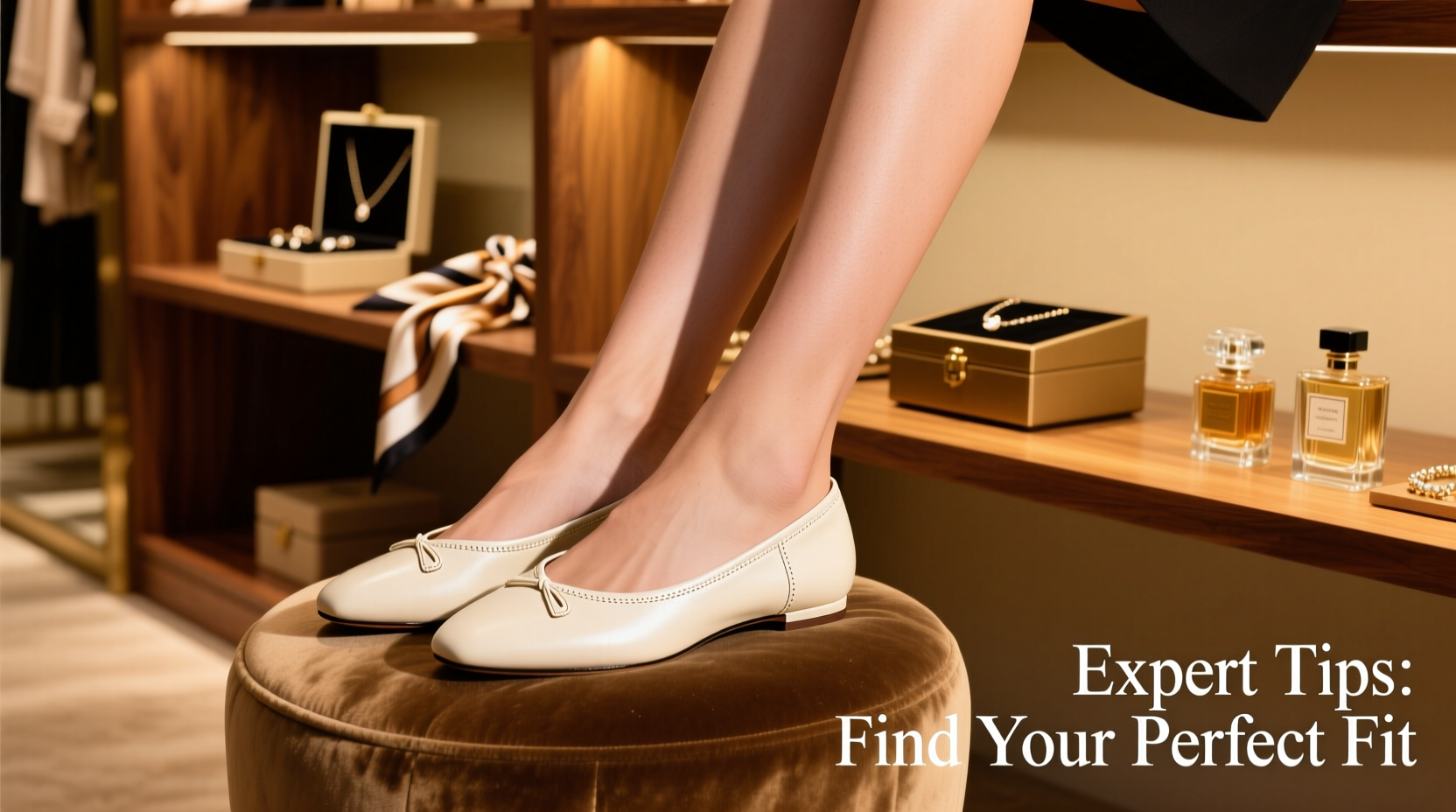
Not all feet are created equal, and recognizing your foot’s unique structure is the first step toward finding a flattering and comfortable flat. There are three primary arch types: low (flat feet), medium (normal), and high. Each affects how weight is distributed across the foot and influences which shoe design will provide optimal support.
For example, those with flat feet often overpronate—rolling inward when walking—which can lead to discomfort in unsupportive flats. High-arched individuals may experience pressure on the ball of the foot due to reduced surface contact. A simple \"wet test\" at home can help determine your arch type: wet your foot, step onto a piece of cardboard, and examine the imprint.
- Flat feet: Full footprint visible with little curve on the inside.
- Normal arch: Moderate curve along the inner edge.
- High arch: Only heel, forefoot, and a narrow band connect.
Measure Your Feet Accurately—and Regularly
Many people assume they know their shoe size, but feet change over time due to age, weight fluctuations, pregnancy, and even prolonged standing. Wearing incorrectly sized shoes—even by half a size—can cause friction, slippage, and long-term foot issues.
To measure your feet properly:
- Stand on a piece of paper barefoot in the afternoon (feet swell slightly during the day).
- Trace the outline of each foot with a pencil held vertically.
- Measure the longest part (heel to longest toe) and widest part (across the ball of the foot).
- Compare these measurements to the brand’s size chart—never rely solely on standard US/EU sizes.
Remember, sizing varies significantly between brands. European brands like Repetto or Miu Miu tend to run narrow, while American labels such as Naturalizer or Clarks often accommodate wider feet better.
Choose Materials That Work With Your Lifestyle
The material of your ballet flats directly impacts breathability, flexibility, durability, and comfort. While leather remains a top choice for its moldability and longevity, other fabrics offer distinct advantages depending on your needs.
| Material | Pros | Cons |
|---|---|---|
| Genuine Leather | Molds to foot shape, breathable, durable | Pricier, requires conditioning |
| Suede | Soft texture, stylish finish | Stains easily, less water-resistant |
| Textile/Canvas | Lightweight, easy to clean, eco-friendly options | Limited support, wears faster |
| Elasticated Knit | Stretchy, sock-like fit, no break-in needed | Less structured appearance |
If you're on your feet most of the day, opt for full-grain leather with cushioned insoles. For seasonal wear or fashion-focused outfits, suede or satin may suffice—just be mindful of environmental conditions.
Real Example: Finding Comfort After Years of Pain
Sophie, a graphic designer based in Portland, loved wearing ballet flats to client meetings but dreaded the end-of-day foot pain. She’d always bought her usual size 7, assuming consistency across brands. After consulting a podiatrist, she discovered she had a slight width variation between her feet and moderate overpronation.
She began measuring each foot separately and switched to a brand offering wide-width options with memory foam padding. Within weeks, her foot fatigue diminished. “I didn’t realize how much discomfort I’d normalized,” she said. “Now I won’t buy any flat without trying it on first.”
Test Fit Beyond Length—Width and Volume Matter Too
Finding the right length is only part of the equation. Width and volume—the internal height of the shoe—are equally critical, especially for ballet flats, which lack laces or straps to adjust tightness.
A shoe that’s too narrow pinches the toes, leading to corns or calluses. One that’s too wide causes your foot to slide, creating friction at the heel. Similarly, low-volume shoes (shallow interior) may press down on high insteps, while high-volume designs gape on lower arches.
When trying on ballet flats:
- Ensure there’s about 3–5 mm of space between your longest toe and the shoe tip.
- Check that the sides of your foot aren’t bulging over the rim.
- Walk around—your heel should stay securely in place without slipping more than 5 mm.
- Test them on different surfaces: tile, carpet, pavement.
“Most women wear shoes that are too narrow. This leads to forefoot compression, which contributes to bunions and nerve irritation over time.” — Dr. Lena Torres, Podiatrist & Footwear Consultant
Step-by-Step Guide to Buying Ballet Flats Online
Shopping online offers convenience but increases the risk of poor fit. Follow this sequence to improve your chances of getting it right the first time:
- Measure both feet using the method described earlier.
- Identify your dominant foot (usually slightly larger) and size accordingly.
- Research the brand’s fit notes—many sites indicate if a model runs small, narrow, or true to size.
- Read customer reviews, focusing on comments about width, arch support, and heel grip.
- Purchase from retailers with free returns to allow for testing at home.
- Try them indoors first on hard flooring, walking for at least 10 minutes before judging comfort.
- Break them in gradually—start with short outings before committing to all-day wear.
Style Without Sacrifice: Design Features That Enhance Both Form and Function
The best ballet flats marry aesthetic appeal with ergonomic design. Look for these subtle yet impactful details:
- Full rubber or leather outsoles: Provide traction and reduce wear on smooth finishes.
- Reinforced toe caps: Prevent creasing and extend lifespan.
- Contoured footbeds: Offer arch support and cradle the heel.
- Elasticized rands (the band around the opening): Hold the shoe snugly without squeezing.
- Light cushioning: Memory foam or latex layers absorb impact without adding bulk.
Minimalist designs with hidden structural enhancements—like a flexible shank or molded midsole—are often the most functional. Avoid ultra-thin soles or completely flat insoles, which offer little protection from hard surfaces.
FAQ
Can ballet flats be comfortable for all-day wear?
Yes—but only if they fit correctly and include supportive features like cushioned insoles, proper arch contouring, and non-slip soles. Prioritize function-first brands known for orthopedic alignment, such as Rothy’s, Vionic, or Ecco.
Why do my heels slip in ballet flats?
Slipping usually indicates an incorrect fit—either too large, too wide, or insufficient elastic tension around the vamp. Try adding adhesive heel grips or switching to a style with a backstrap or T-strap for added security.
How do I prevent blisters from new ballet flats?
Blisters form due to friction. Break in new pairs slowly, wear moisture-wicking socks initially, and apply anti-chafe balm or use silicone heel guards. Choosing soft, pre-molded linings also reduces rubbing.
Final Checklist Before You Buy
- ✅ Feet measured accurately today (not last year)
- ✅ Both length and width considered
- ✅ Arch type matched to shoe support level
- ✅ Material suits your climate and activity level
- ✅ Heel stays secure when walking
- ✅ No pinching or pressure points felt after 10-minute walk test
- ✅ Return policy confirmed (if buying online)
Conclusion
Slip-on ballet flats don’t have to mean sore feet or compromised style. By understanding your foot’s needs, prioritizing thoughtful construction, and testing fit thoroughly, you can own pairs that are as comfortable as they are chic. The perfect flat isn’t just about the label or color—it’s about how it feels after hours of wear, how it supports your movement, and how confidently you walk in it.
💬 Found your dream pair of ballet flats? Share your go-to brand or fitting hack in the comments—help others step into comfort and style with confidence.








