Designer baseball caps are more than just accessories—they’re statements of style, often representing personal taste, team loyalty, or fashion investment. Whether it’s a limited-edition streetwear release, a luxury brand collaboration, or a vintage find, these caps deserve careful handling. Unfortunately, sweat, oils, dust, and environmental exposure can dull even the most premium materials over time. Cleaning them improperly, however, can lead to irreversible damage: warped brims, faded logos, shrinkage, or glue deterioration in structured panels. The good news is that with the right techniques, you can restore your cap’s freshness while preserving its original condition.
Understanding Your Cap’s Materials and Construction
Before any cleaning begins, identifying the materials and internal structure of your cap is essential. Most designer caps combine multiple fabrics and components:
- Fabric Panels: Cotton, wool, polyester, or blends—each reacts differently to water and detergents.
- Brim (Bill): Often made of plastic or foam layered between fabric. Excessive soaking can cause warping or delamination.
- Sweatband: Typically cotton or synthetic mesh; absorbs oils and bacteria but may degrade if harsh chemicals are used.
- Structure: Many designer caps use buckram (a stiffened fabric) in the front panels to maintain shape. Heat and prolonged moisture weaken this layer.
- Embellishments: Embroidery, patches, leather labels, or metallic threads require special attention to avoid fraying or discoloration.
Caps labeled “dry clean only” should never be submerged. Even those marked “machine washable” often carry risks when treated carelessly. Always check interior tags or manufacturer guidelines before proceeding.
Tip: If no care label exists, assume the cap is delicate. When in doubt, opt for spot cleaning over full immersion.Step-by-Step Guide: Hand Washing Your Designer Cap
Hand washing is the safest method for most high-end caps. This process removes grime while minimizing stress on structural elements.
- Pre-Clean Inspection: Examine the cap for loose stitching, peeling patches, or areas of heavy soiling. Address stains first using a spot-cleaning technique (see below).
- Remove Debris: Use a soft-bristled clothes brush or dry microfiber cloth to gently sweep away surface dust and lint from the crown and bill.
- Prepare Cleaning Solution: Fill a basin with cool to lukewarm water (never hot). Add one teaspoon of mild detergent—preferably one designed for delicates or wool (e.g., Woolite or The Laundress Delicate Wash).
- Submerge Gently: Turn the cap upside down and slowly lower it into the water, ensuring the brim stays mostly above the surface. Let it soak for 5–10 minutes.
- Clean Targeted Areas: Using a soft toothbrush or makeup sponge, lightly scrub stained zones—especially around the sweatband and front panel. Avoid aggressive brushing on embroidered areas.
- Rinse Thoroughly: Drain the soapy water and refill the basin with clean, cool water. Submerge and swish the cap gently until all suds are gone.
- Dry Properly: Do not wring or twist. Pat excess water with a clean towel, then reshape the cap. Place it on a curved object (like a coffee can or专用 hat form) to maintain its dome shape as it dries. Air-dry at room temperature, away from direct sunlight or heat sources.
“Improper drying is the number one reason caps lose their shape. Never use a hairdryer or place a wet cap on a flat surface—it will flatten the crown.” — Marcus Lin, Headwear Restoration Specialist
Spot Cleaning for Minor Stains and Maintenance
For caps worn infrequently or showing only localized dirt, full washing isn’t necessary. Spot cleaning preserves longevity by reducing water exposure.
Tip: Keep a small cleaning kit: soft brush, microfiber cloth, distilled water, and a drop of pH-neutral soap for quick touch-ups.To treat sweat stains near the band:
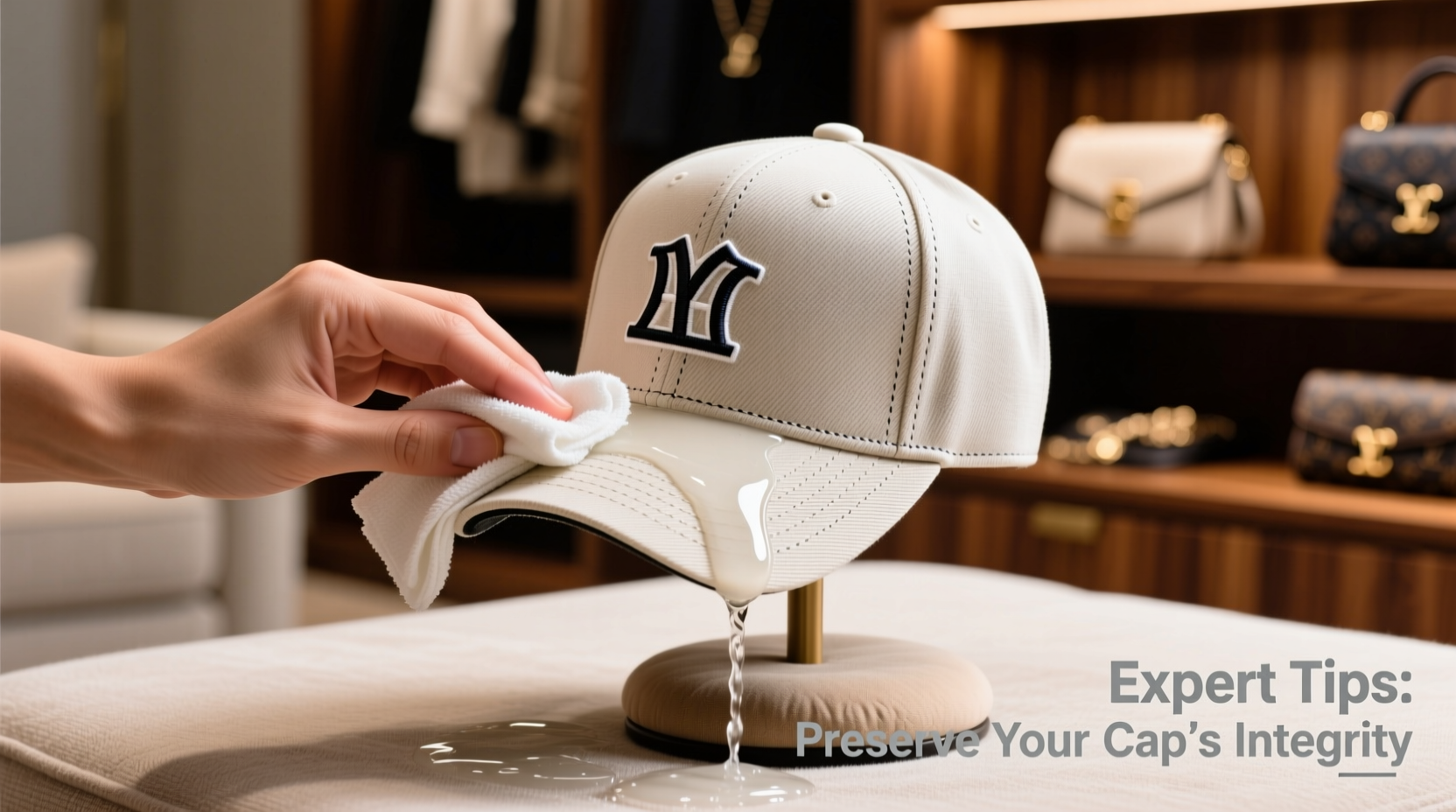
- Dampen a corner of a microfiber cloth with distilled water and a tiny amount of gentle cleanser.
- Gently dab (do not rub) the affected area in circular motions.
- Wipe with a second cloth dampened with plain water to remove residue.
- Allow to air-dry completely before wearing.
For oil-based marks (makeup, sunscreen):
- Apply a small amount of cornstarch or baby powder to absorb the oil. Let sit for 15 minutes, then brush off.
- Follow with a spot-clean using diluted dish soap (one drop in two tablespoons water).
Do’s and Don’ts: Care Guidelines at a Glance
| Do’s | Don’ts |
|---|---|
| Use cool water and mild detergent | Use bleach or strong stain removers |
| Hand wash gently with a soft brush | Machine wash or tumble dry |
| Air-dry using a form to retain shape | Expose to direct sunlight or heaters |
| Store in a cool, dry place with stuffing | Crush or stack items on top of caps |
| Check manufacturer instructions first | Soak caps with glued or foam brims |
Real Example: Saving a Limited-Edition Streetwear Cap
Jamal, a sneaker and streetwear collector in Brooklyn, owned a rare collaborative cap from a Japanese designer and a major sportswear brand. After wearing it during summer festivals, he noticed yellowing around the inner band and a musty odor. Fearing damage, he avoided washing it for months. Eventually, he consulted a specialty cleaner who advised a controlled hand-wash using enzyme-based detergent to break down organic residue. The cap was reshaped on a custom form and dried over 24 hours. The result? A fully revived piece that retained its crisp embroidery and structured front. Jamal now rotates his caps monthly and performs light spot cleans after every few wears—a habit that has kept his collection pristine.
When to Avoid Home Cleaning
Some situations call for professional intervention:
- Leather or suede panels: These materials require specific conditioners and pH-balanced cleaners.
- Heavy mold or mildew: Indicates deep contamination; improper cleaning can spread spores.
- Vintage or fragile stitching: Older caps may disintegrate under water exposure.
- Glue-based construction: Common in snapbacks; water can dissolve adhesive layers in the brim.
In such cases, seek a textile conservator or a specialty hat cleaning service. While costs range from $15–$40 per cap, professionals use vacuum dehydration, steam treatment, and non-aqueous solvents to clean without distortion.
Frequently Asked Questions
Can I put my baseball cap in the dishwasher?
No. Despite online hacks suggesting dishwasher cleaning with a cap holder, the combination of hot water, strong detergents, and mechanical agitation risks shrinking fabric, warping the brim, and loosening stitching. This method is strongly discouraged for designer caps.
How often should I clean my designer cap?
If worn regularly (2–3 times per week), perform a spot clean every 2–3 weeks and a full hand wash every 6–8 weeks. For occasional wear, clean only when visibly soiled or after heavy sweating.
Why did my cap shrink after washing?
Shrinkage usually occurs due to heat exposure or agitation. Cotton and wool blends are especially prone. Always use cold water, minimal movement, and never machine dry. Once shrunk, restoration is nearly impossible.
Final Tips Checklist
- Identify material type and check care labels.
- Use only cool water and gentle, pH-neutral detergent.
- Clean with soft tools—no stiff brushes or abrasive cloths.
- Never submerge the brim fully; keep it above waterline.
- Dry upright on a form, away from heat and sun.
- Store properly: stuff the crown lightly and keep in a breathable box.
- Rotate usage to extend lifespan and reduce wear.
Conclusion
Maintaining a designer baseball cap doesn’t require expensive tools—just knowledge, patience, and consistent care. By understanding your cap’s composition and respecting its structural limits, you protect both its aesthetic value and functional integrity. Whether it’s a daily go-to or a collectible centerpiece, proper cleaning ensures it remains a standout piece for years. Treat each cap not just as an accessory, but as a crafted item worthy of preservation.
💬 Have a favorite cap care tip or a close-call cleaning story? Share your experience in the comments and help others protect their prized headwear.








