
Custom baseball t-shirts are more than just apparel—they represent team pride, personal style, or brand identity. Whether you wear them on the field, at games, or as casual streetwear, preserving their look and comfort over time requires intentional care. Many people unknowingly shorten the lifespan of their favorite shirts through improper washing, drying, or storage. With the right techniques, however, a well-made custom t-shirt can remain vibrant and soft for years. This guide delivers expert-backed strategies to keep your custom baseball tee looking fresh, from wash day to off-season storage.
Understand Your Fabric and Print Type
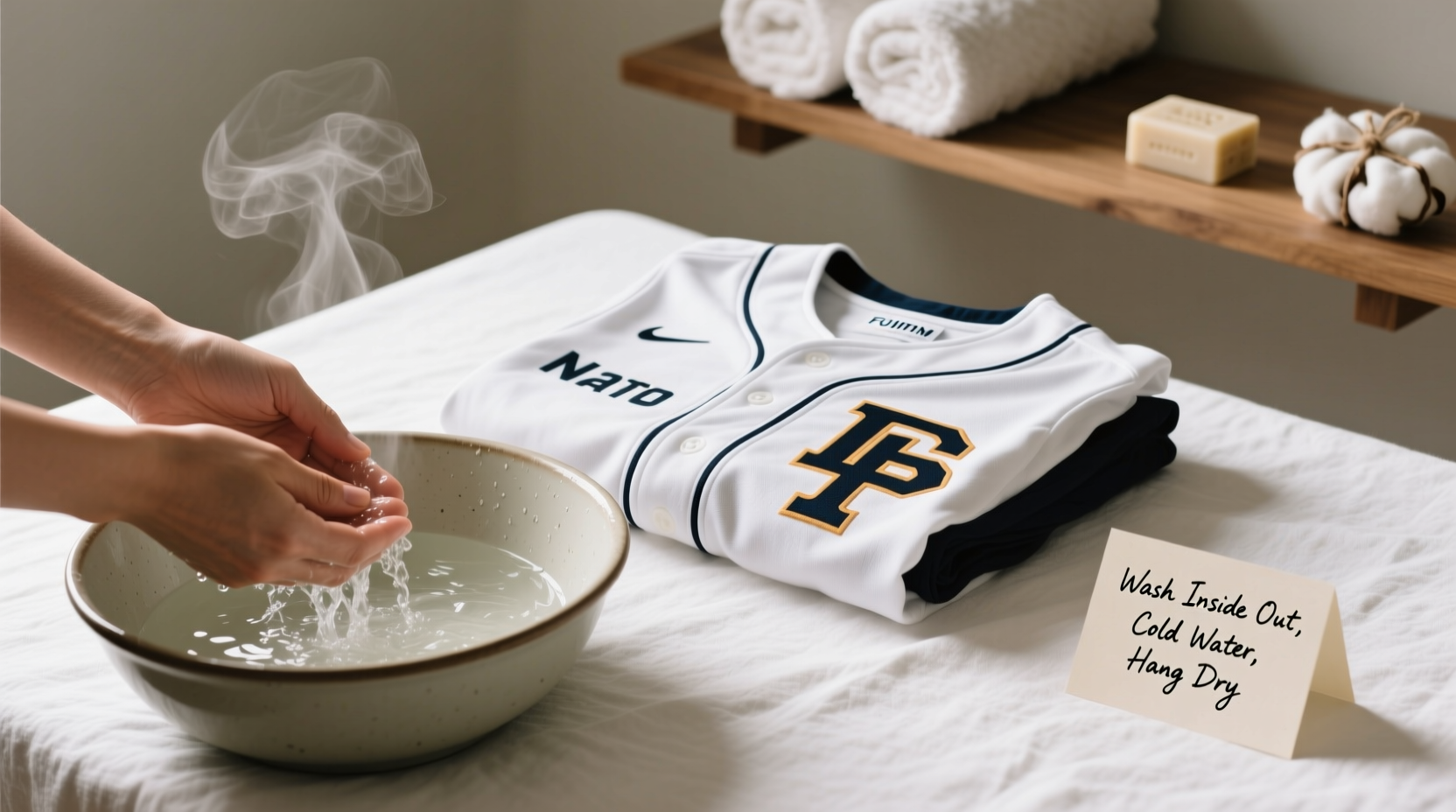
The first step in proper maintenance is knowing what your shirt is made of and how its design was applied. Most custom baseball t-shirts use cotton, polyester, or a cotton-polyester blend. Each material reacts differently to heat, moisture, and agitation. Similarly, printing methods—such as screen printing, sublimation, or heat transfer—impact how the design holds up during cleaning.
Cotton blends offer breathability but may shrink if exposed to high heat. Polyester resists shrinking and dries quickly but can trap odors if not washed properly. Screen-printed designs are generally durable, while heat transfers are more sensitive to high temperatures and friction.
“Knowing your fabric and print type isn’t just helpful—it’s essential. A 60% cotton/40% polyester shirt with a heat-pressed number needs gentler handling than a 100% cotton screen-printed jersey.” — Lena Reyes, Textile Care Specialist, Apparel Longevity LabTip: Check the care label inside your t-shirt and note whether it's pre-shrunk, moisture-wicking, or treated for odor resistance.
Washing Best Practices for Maximum Longevity
How you wash your custom baseball t-shirt has the greatest impact on its lifespan. Aggressive cycles, harsh detergents, and incorrect water temperatures can fade colors, crack prints, and weaken fibers.
Step-by-Step Washing Guide
- Turn the shirt inside out before washing. This protects the printed graphics and reduces surface abrasion.
- Use cold water (below 30°C / 86°F). Hot water accelerates color fading and can damage adhesive-based prints.
- Select a gentle cycle on your washing machine. Avoid heavy-duty or permanent press settings that increase agitation.
- Use mild, dye-free detergent. Avoid bleach or fabric softeners, which degrade elastic fibers and break down ink adhesives.
- Wash with similar colors and fabrics. Avoid washing with jeans, towels, or heavily textured garments that cause friction.
- Limit load size. Overcrowding causes rubbing; underloading increases tumbling force. Aim for a full but not packed drum.
For shirts with intricate designs or specialty finishes (like metallic foil or puff ink), hand washing is ideal. Fill a basin with cold water and a small amount of gentle detergent. Soak for 5–10 minutes, gently swirl, then rinse thoroughly.
Drying and Ironing: Avoiding Common Damage
Drying is where many t-shirts meet their downfall. High heat from dryers is the leading cause of shrinkage, print cracking, and fabric stiffness.
| Action | Recommended | Avoid |
|---|---|---|
| Drying Method | Air-dry flat or hang in shade | Tumble drying on high heat |
| Drying Location | Well-ventilated indoor area | Direct sunlight or damp spaces |
| Ironing | Low heat, inside-out, with cloth barrier | Direct ironing on printed areas |
Air-drying preserves elasticity and prevents warping of numbers and logos. If you must use a dryer, select the \"air fluff\" or \"no heat\" setting and remove the shirt while slightly damp to minimize wrinkling.
When ironing, always turn the shirt inside out and use a pressing cloth over the print. Never apply direct heat to vinyl or plastisol designs—they can melt or blister instantly.
Tip: To speed up air-drying without risking damage, lay the shirt on a clean towel, roll it up gently to absorb excess water, then unroll and hang.Real Example: How One Team Extended Their Uniform Lifespan by 60%
The Westbridge High School baseball team used to replace their custom jerseys every season due to fading numbers and cracked lettering. After consulting a textile care advisor, they implemented a new routine: all uniforms were turned inside out, washed in cold water with sports-specific detergent, and hung to dry in the equipment room.
They also stopped using bleach—even when removing grass stains—and trained players to spot-treat with enzyme-based cleaners instead. Within one year, the team reported that their jerseys retained 90% of their original color and structural integrity. The same set lasted three full seasons, saving the school over $1,200 in replacement costs.
This case shows that consistent, informed care practices deliver measurable results—not just in appearance, but in financial efficiency and sustainability.
Storage Solutions That Prevent Deterioration
What you do between wears matters just as much as how you clean. Poor storage leads to yellowing, creasing, and moisture damage.
- Fold, don’t hang (for cotton-heavy shirts): Hanging can stretch shoulder seams over time, especially when stored long-term.
- Store in a cool, dry place: Humidity promotes mildew; heat fades colors. Avoid attics, basements, or plastic bins without ventilation.
- Use acid-free tissue paper if folding near printed areas to prevent ink transfer or cracking.
- Keep away from direct light: UV rays break down dyes and weaken fabric fibers, even through windows.
If you're storing off-season gear, consider breathable cotton garment bags or labeled boxes. Avoid vacuum-sealed containers unless the shirt is fully protected—compression can damage raised prints.
Essential Maintenance Checklist
Follow this checklist after every wear to maximize your custom baseball t-shirt’s lifespan:
- Turn shirt inside out before laundering
- Remove visible dirt or stains promptly with spot treatment
- Wash in cold water on gentle cycle with mild detergent
- Air-dry flat or hang in shaded area
- Inspect print edges for lifting or cracking monthly
- Fold neatly and store in dry, dark space
- Rotate wear to avoid overuse of a single shirt
Frequently Asked Questions
Can I machine wash a shirt with a heat-pressed number?
Yes, but with caution. Always turn it inside out, use cold water, and skip the dryer. Heat-pressed numbers rely on adhesive bonds that degrade under repeated high heat exposure.
How often should I wash my custom baseball t-shirt?
After every wear, especially if worn during physical activity. Sweat, oils, and dirt accelerate fabric breakdown and odor retention. However, avoid unnecessary washes—only launder when needed.
What should I do if the print starts peeling?
Stop machine washing immediately. Hand wash gently and consider taking the shirt to a specialty print repair service. In some cases, a fabric-safe sealant can be applied to stabilize the edges.
Protect Your Investment with Smart Habits
Your custom baseball t-shirt is a blend of craftsmanship, identity, and memory. Whether it bears your name, your team’s logo, or a meaningful slogan, treating it with care ensures it stays wearable and meaningful for seasons to come. By understanding fabric types, following gentle washing protocols, avoiding high heat, and storing correctly, you dramatically extend both comfort and appearance.
Small habits—like turning the shirt inside out or choosing air-dry over tumble—add up to big differences over time. These aren’t just tips; they’re long-term preservation strategies used by professionals and teams worldwide.
🚀 Start today: Pick one habit from this guide—like switching to cold water washing—and commit to it. Your future self (and your wardrobe) will thank you.








