Creating a custom baseball t-shirt is more than just a fashion statement—it’s a personal expression of style, team pride, or creative flair. Whether you’ve screen-printed it yourself, used iron-on transfers, or hand-painted the design, your effort deserves long-term protection. Unfortunately, without proper care, vibrant colors fade, fabrics stiffen, and graphics crack or peel after just a few washes. The good news? With the right maintenance routine, your DIY custom t-shirt can look sharp and feel comfortable for seasons to come.
Understanding Your Custom T-Shirt Materials
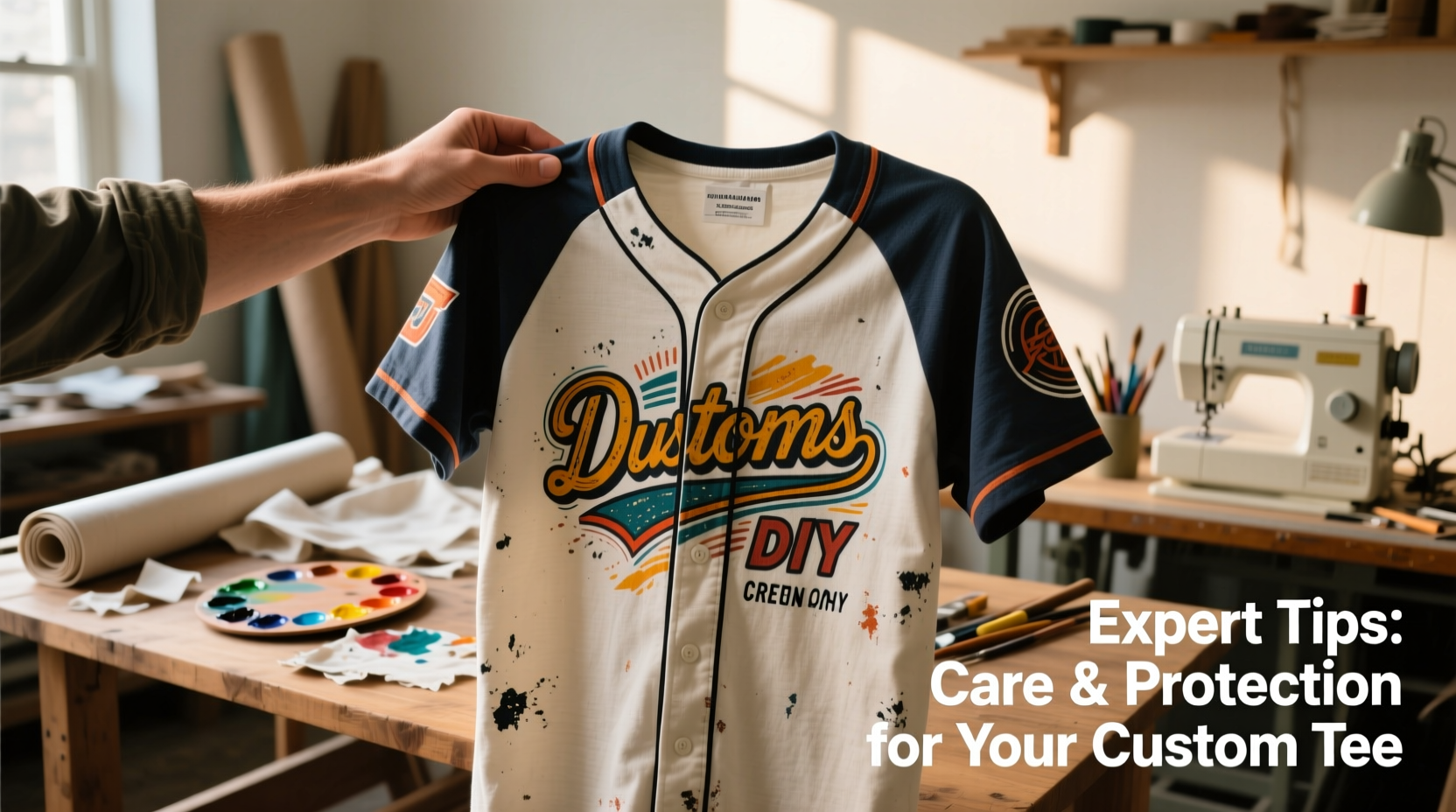
Before diving into cleaning techniques, it’s essential to understand what your t-shirt is made of and how the design was applied. Most baseball tees are crafted from cotton, polyester, or a cotton-polyester blend—each reacting differently to washing, drying, and storage. Additionally, the customization method plays a major role in longevity:
- Screen printing: Durable when cured properly; best on 100% cotton or heavy blends.
- Heat transfer vinyl (HTV): Flexible but prone to peeling if not applied evenly or washed improperly.
- Direct-to-garment (DTG) printing: High-detail prints that require gentle handling to prevent fading.
- Hand painting or fabric markers: Artistic and unique but most vulnerable to washing damage.
The combination of fabric and application method determines how aggressively you can clean the garment. Ignoring these factors often leads to cracked designs, warped logos, or irreversible shrinkage.
Tip: Always test any cleaning product or method on an inconspicuous area first—like the inside seam—to avoid damaging the print.Washing Techniques That Preserve Quality
How you wash your custom t-shirt has the biggest impact on its lifespan. Aggressive cycles, hot water, and harsh detergents break down both fabric fibers and printed layers. Follow these steps to keep your shirt looking fresh:
- Turn the shirt inside out. This shields the printed side from friction and direct exposure to detergent.
- Use cold water only. Hot water causes ink to lift and fabric to shrink, especially in cotton-rich blends.
- Select a gentle cycle. Avoid heavy-duty or permanent press settings that increase agitation.
- Choose a mild, non-chlorine detergent. Bleach and optical brighteners accelerate color fading.
- Wash with similar colors and fabrics. Zippers, buttons, or rough denim can scratch or snag delicate prints.
If possible, hand-washing is ideal for heavily decorated or artistically customized shirts. Use lukewarm water and a small amount of gentle soap, gently swishing the shirt for 2–3 minutes before rinsing thoroughly.
“Turning garments inside out before washing can reduce visible wear on prints by up to 40% over time.” — Dr. Lena Ruiz, Textile Preservation Specialist, University of Massachusetts
Do’s and Don’ts of Drying and Ironing
Drying is where many custom t-shirts meet their demise. Tumble drying at high heat not only shrinks fabric but also weakens adhesive bonds in heat-applied graphics. Similarly, improper ironing can melt vinyl or blur painted details.
| Action | Do | Don’t |
|---|---|---|
| Drying | Line dry or lay flat in shade; use low heat if machine drying is necessary | Tumble dry on high heat; hang in direct sunlight |
| Ironing | Iron inside out on low heat; place a cloth between iron and print | Iron directly on vinyl or printed areas; use steam on HTV |
| Stain Removal | Spot clean with diluted vinegar or enzyme cleaner | Scrub prints vigorously; use bleach-based removers |
Storage Strategies for Long-Term Protection
Even when not in use, your t-shirt is exposed to environmental stressors like light, moisture, and pressure. Proper storage prevents yellowing, odor buildup, and physical damage to the design.
Fold rather than hang your baseball tee. Hanging stretches the shoulders and can distort the chest-area graphic over time. Store folded in a cool, dry drawer or shelf away from windows. Avoid plastic bins unless they’re breathable; sealed containers trap humidity, encouraging mildew—especially in humid climates.
If stacking multiple shirts, place tissue paper between them to minimize friction. For limited-edition or sentimental pieces, consider archival storage boxes designed for textiles.
Mini Case Study: Preserving a Youth League Championship Shirt
Jamal, a Little League coach from Georgia, helped his team create custom commemorative t-shirts after winning the regional finals. The shirts featured hand-stenciled numbers and names with fabric paint. Within two months, several parents reported cracking and fading after regular laundry routines.
After consulting a local textile artist, Jamal revised the care instructions: “Wash inside out in cold water, no dryer, hang to dry in shade.” He emailed the updated guide to all families and included a note with each shirt at the end-of-season party. A year later, 90% of the shirts remained in excellent condition—proof that proper education and simple habits make a measurable difference.
Care Checklist for DIY Custom Baseball T-Shirts
To simplify long-term maintenance, follow this actionable checklist every time you handle your custom tee:
- ✅ Turn shirt inside out before washing
- ✅ Use cold water and gentle cycle
- ✅ Avoid bleach, fabric softener, and harsh detergents
- ✅ Air dry flat or line dry in shade
- ✅ If using a dryer, select low heat for less than 10 minutes
- ✅ Iron only inside out with a protective cloth over the print
- ✅ Store folded in a dry, dark place
- ✅ Spot clean stains instead of soaking entire shirt
- ✅ Inspect prints monthly for lifting or cracks
- ✅ Reapply heat to HTV edges if slight peeling occurs (with caution)
Frequently Asked Questions
Can I machine wash a shirt with iron-on vinyl?
Yes, but only after waiting at least 24 hours post-application to ensure full adhesion. Always turn it inside out, use cold water, and avoid high heat drying. Frequent machine washing will shorten the life of HTV compared to screen printing.
Why did my custom design crack after one wash?
This usually happens due to incorrect application (insufficient heat or pressure during pressing) or washing too soon/roughly. Heat transfer vinyl needs proper curing, and washing within six hours of application dramatically increases failure risk. Also, never fold or crease HTV designs during storage.
How do I refresh a faded or stiff custom t-shirt?
For stiffness, rewash using only cold water and a mild detergent—avoid fabric softener. To revive faded colors, consider using a color-safe fabric refresher spray, but test it first. Note: once ink fades significantly, restoration is limited. Prevention is far more effective than repair.
Final Thoughts: Protect What You Create
Your DIY custom baseball t-shirt represents more than fabric and ink—it carries memories, effort, and identity. Treating it with care ensures that every game, event, or casual outing continues to showcase your creativity with pride. Small habits—like turning it inside out, avoiding the dryer, and storing it properly—compound into years of extended wearability.
Maintaining a custom shirt isn’t about perfection; it’s about consistency. Apply these expert-backed practices regularly, share them with teammates or family members who wear the same designs, and preserve not just the garment, but the story it tells.
💬 Have a tip that saved your favorite custom tee? Share your experience in the comments and help others protect their creations!








