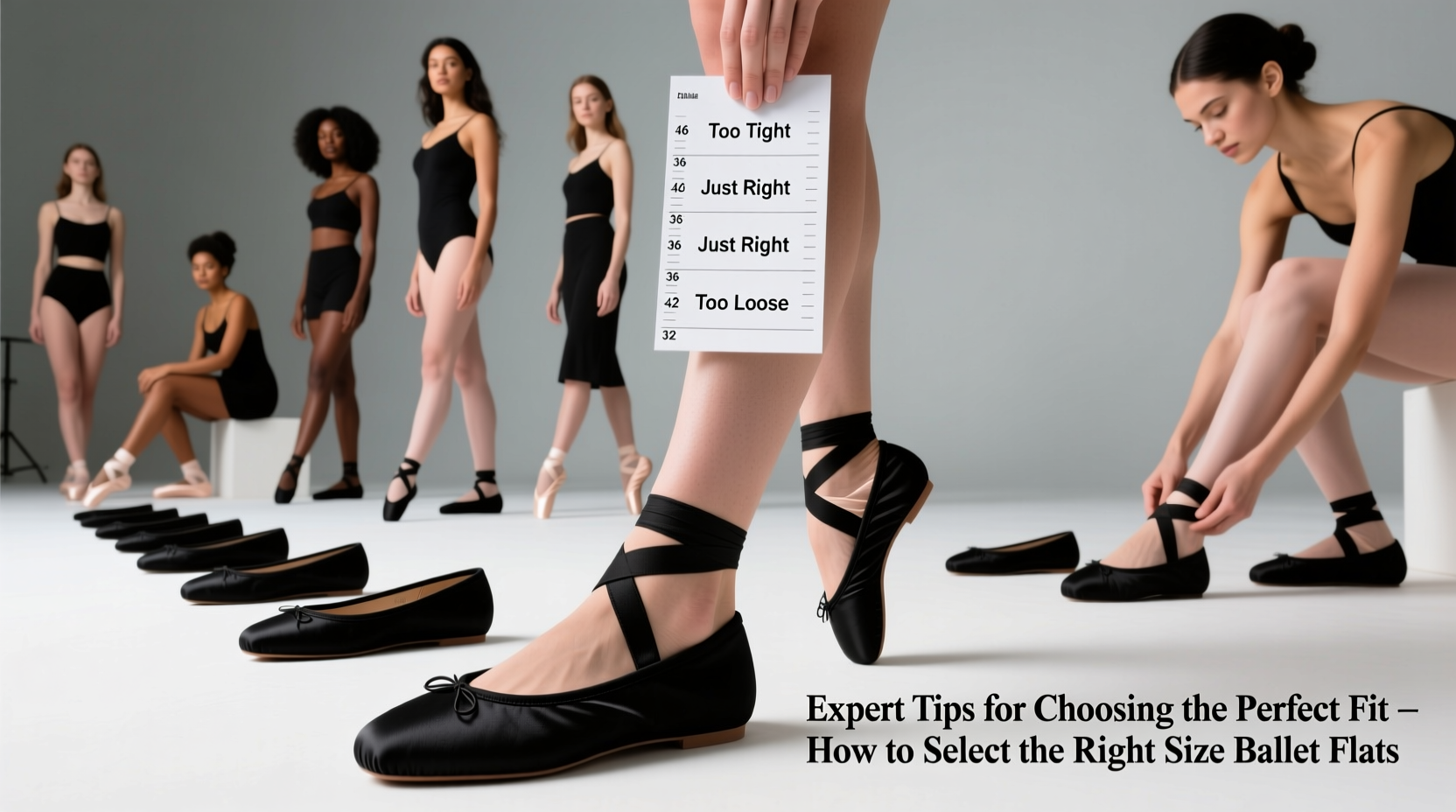
Ballet flats are a timeless staple in any wardrobe—effortlessly chic, versatile, and comfortable when chosen correctly. Yet, too many people overlook the importance of proper fit, settling for shoes that pinch, slip, or cause discomfort after short wear. The difference between an average pair and your perfect pair often comes down to one thing: fit. Unlike heels or sneakers, ballet flats offer minimal structure, making precise sizing essential. With the right approach, you can find a pair that feels like a second skin while supporting your feet through long days on pavement or polished floors.
Understand Your Foot Shape and Arch Type
Your foot is unique—not just in length, but in width, arch height, and pressure distribution. Ballet flats come in narrow, medium, and wide widths, yet many brands only produce standard widths, leading to poor fit. Begin by identifying your foot shape:
- Narrow feet: Look for styles with adjustable straps or elasticized toplines to prevent slippage.
- Wide forefoot: Seek out brands offering wide-width options or soft, stretchable uppers like suede or knit fabrics.
- High arches: Prioritize models with built-in arch support or removable insoles to customize cushioning.
- Flat feet: Choose flats with structured midsoles or consider adding orthotic inserts for stability.
A simple at-home test can help identify your arch type. Wet your feet and step onto a piece of cardboard. If you see a thin strip connecting heel and toe, you likely have high arches. A full imprint suggests flat feet, while a moderate curve indicates a normal arch.
Tip: Trace your foot on paper while standing to capture its true dimensions, including splay under weight.Measure Your Feet Accurately—And Do It Right
Many assume they know their shoe size, but feet change over time due to age, pregnancy, or weight fluctuations. Relying on memory leads to misfit. To measure correctly:
- Stand on a hard surface with your full weight on both feet late in the day (feet expand throughout the day).
- Place a blank sheet of paper against a wall. Heel against the wall, trace the outline of each foot.
- Use a ruler to measure from heel to longest toe and across the widest part.
- Compare measurements to the brand’s specific size chart—never assume standardization across labels.
Remember: European, UK, and US sizing differ. Always convert using the brand’s guide, not generic online converters. For example, a US 7 may be EU 37 in one brand but EU 38 in another.
Common Sizing Variations by Brand
| Brand | Fit Tendency | Width Profile | Recommendation |
|---|---|---|---|
| Tory Burch | Runs small | Medium-narrow | Size up half; consider wide if broad forefoot |
| Rothy's | True to size | Medium | Stick to measured size; stretch slightly with wear |
| Clarks | Accurate | Offers wide options | Best for flat or wide feet; check insole support |
| Sam Edelman | Runs large | Wide toe box | Size down half if narrow-footed |
Test Fit with the Right Socks and Insoles
Fitting shoes barefoot in-store gives a false sense of comfort. You’ll likely wear socks or tights with ballet flats, so replicate real conditions during fitting. Bring the thinnest and thickest hosiery you plan to wear. Slip-on styles should allow easy entry without excessive stretching, but not feel loose around the heel.
Check for these key indicators of proper fit:
- No heel slippage beyond 3–5 mm.
- Toes don’t press against the front or curl under.
- The ball of your foot aligns with the widest part of the shoe.
- You can wiggle toes freely without side pressure.
If you use orthotics, bring them along. Many ballet flats have non-removable insoles, which can compromise medical support. Brands like Ecco and Naturalizer design with orthotic-friendly interiors.
“Most complaints about ballet flats stem from incorrect sizing or ignoring foot morphology. A shoe should conform to the foot, not force the foot to adapt.” — Dr. Lena Torres, Podiatrist & Footwear Consultant
Step-by-Step Guide to Buying Ballet Flats Online
Shopping online increases convenience but raises fit risks. Follow this sequence to minimize returns and disappointment:
- Measure both feet using the tracing method described earlier.
- Identify your dominant foot—usually slightly larger—and size for it.
- Review brand-specific sizing charts, not general conversion tables.
- Read customer reviews focusing on comments like “runs small” or “tight across toes.”
- Check return policy before purchase—look for free returns and trial periods.
- Order two sizes if available (e.g., regular and wide), try both at home, return the unfit pair.
- Walk on carpet and hard flooring to assess grip, flexibility, and heel hold.
Real-World Example: Sarah’s Search for All-Day Comfort
Sarah, a museum curator, spent years enduring sore feet in stylish but ill-fitting ballet flats. Her job required hours of standing and walking on marble floors. She assumed she was a US 6.5, but after measuring her feet post-work, she discovered her right foot measured closer to a 7, with a wide forefoot. She switched from a popular fashion brand to Clarks, opting for a wide-width 7. The difference was immediate—no blisters, no arch fatigue. By prioritizing fit over trend, she gained both comfort and confidence.
Her experience underscores a crucial point: function enables fashion. No matter how elegant a flat appears, pain undermines its purpose.
Essential Checklist Before Finalizing Your Purchase
Before clicking “buy,” run through this checklist:
- ✅ Feet measured recently under load (standing)
- ✅ Compared to brand’s official size chart
- ✅ Checked width availability (narrow, medium, wide)
- ✅ Verified insole compatibility with orthotics (if needed)
- ✅ Reviewed customer feedback on fit accuracy
- ✅ Confirmed return policy for size exchanges
- ✅ Tested with appropriate hosiery or socks
Frequently Asked Questions
Should ballet flats feel tight at first?
No. While some materials like leather soften slightly with wear, ballet flats should never feel tight. There’s no “breaking in” period for proper fit. Discomfort on day one will only worsen.
Why do my heels slip in ballet flats?
Heel slippage usually indicates the shoe is too long or too wide. Try a half-size down or opt for styles with ankle straps or elastic goring for better hold. Some slippage is normal during initial steps, but persistent lifting suggests misfit.
Can I stretch ballet flats if they’re slightly snug?
Limited stretching is possible with leather or fabric uppers using professional stretching services or DIY methods (like wearing thick socks and applying heat). However, avoid stretching if the shoe already fits closely across the toes—this can distort shape and weaken structure.
Final Thoughts: Prioritize Precision Over Trends
Choosing the right size ballet flats isn’t about chasing the latest color or embellishment—it’s about honoring the foundation of your stride. When fit is precise, comfort becomes effortless, and elegance follows naturally. Take the time to measure, compare, and test. Invest in quality brands that respect anatomical diversity. Your feet carry you through life; give them the support they deserve in every step.
💬 Found your perfect pair? Share your fit tips or favorite brands in the comments—help others step into comfort with confidence.








