Choosing the right hiking boots can mean the difference between a confident, enjoyable trek and a precarious, painful slog. When navigating wet rocks, loose gravel, muddy inclines, or icy patches, traction is non-negotiable. Non-slip performance isn’t just about safety—it enhances endurance, balance, and overall trail experience. Yet, not all hiking boots deliver reliable grip across diverse conditions. Understanding what makes a boot truly non-slip, how to evaluate fit and support, and which features align with your hiking goals ensures you invest wisely in footwear that performs when it matters most.
Understanding What Makes a Boot “Non-Slip”
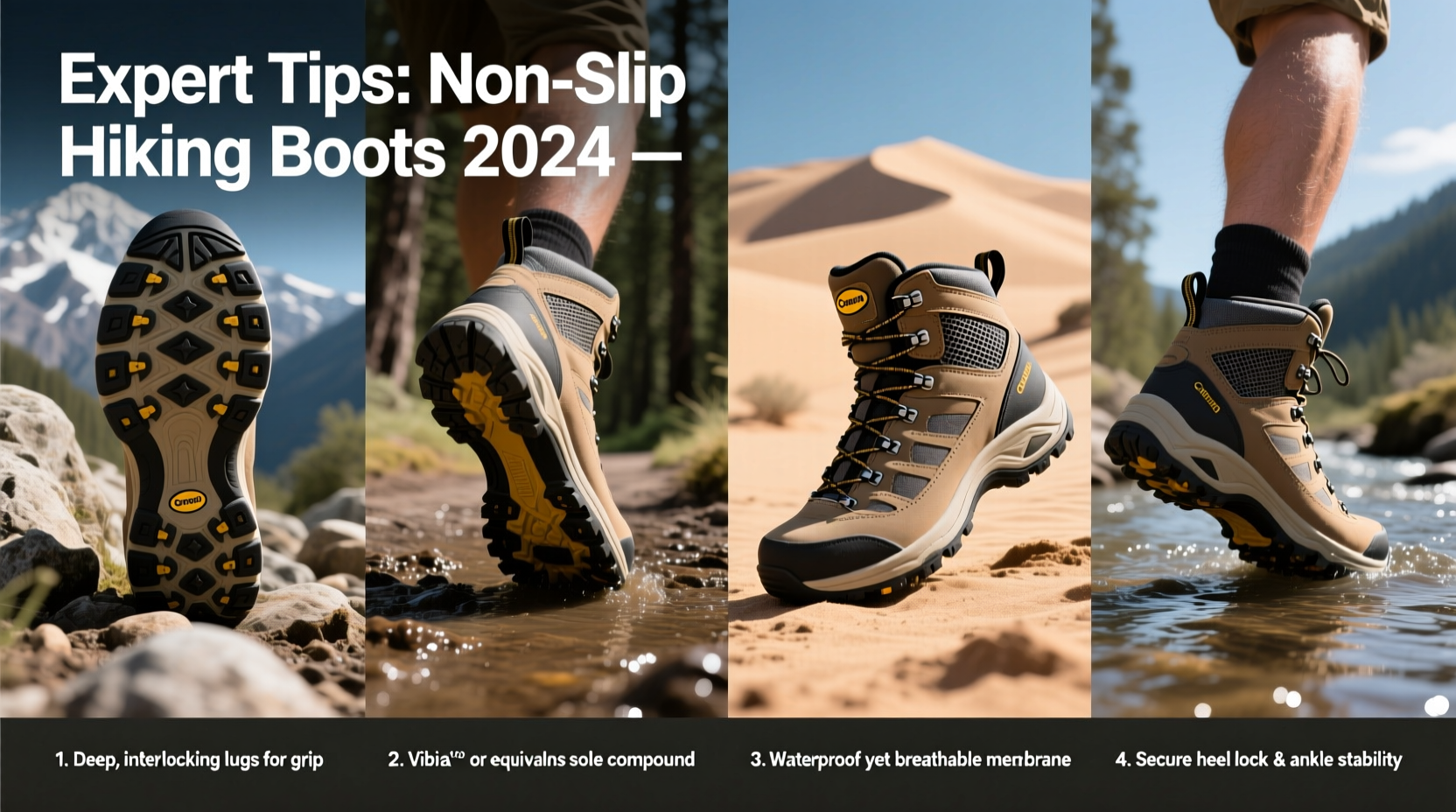
The term “non-slip” is often used loosely in marketing, but true slip resistance depends on specific design elements. The outsole—the bottom layer of the boot—is the primary factor in grip. High-performance hiking boots use specialized rubber compounds and tread patterns engineered for multi-directional traction.
Vibram® soles are widely regarded as an industry benchmark. Their proprietary rubber blends offer excellent abrasion resistance and stickiness on both dry and wet surfaces. However, not all Vibram soles are identical—models like the Megagrip compound excel on mixed terrain, while others prioritize rock climbing precision over trail versatility.
Tread depth and lug pattern also play crucial roles. Deep, widely spaced lugs shed mud effectively and bite into soft ground, while closely spaced, multidirectional lugs enhance stability on hard-packed trails or slick rock. A blend of both is ideal for variable conditions.
Tip: Look for boots labeled with \"wet traction\" or \"multi-surface grip\"—these often feature advanced rubber compounds tested under real-world conditions.Key Features to Evaluate Before Buying
Beyond the outsole, several structural and material components determine how well a boot performs off-road.
- Midsole Support: EVA or polyurethane midsoles cushion impacts and stabilize your foot on uneven ground. Firmer midsoles are better for heavy loads and technical terrain.
- Upper Material: Full-grain leather offers durability and water resistance but requires break-in time. Synthetic uppers (e.g., nylon or polyester) are lighter and dry faster but may wear quicker under abrasion.
- Waterproofing: Gore-Tex and similar membranes keep feet dry in wet environments, but they reduce breathability. For hot climates or fast-paced hikes, consider breathable non-waterproof models.
- Ankle Support: Mid-cut or high-cut boots provide superior ankle stability on rocky descents or side slopes, especially when carrying a backpack.
- Fit and Last: Boots should snugly cradle the heel without pinching, allow toe wiggle room (especially downhill), and accommodate sock thickness.
“Traction starts with the sole, but long-term comfort and injury prevention depend on proper fit and support.” — Dr. Lena Torres, Podiatrist & Outdoor Medicine Specialist
Matching Boots to Terrain: A Practical Guide
No single boot excels everywhere. Matching your footwear to expected trail conditions maximizes performance and minimizes fatigue.
| Terrain Type | Recommended Features | Boot Examples |
|---|---|---|
| Rocky/Mountainous | Rigid sole, sticky rubber, high ankle support | Salomon Quest 4 GTX, La Sportiva TX5 |
| Muddy/Forested Trails | Deep lugs, self-cleaning tread, waterproof upper | Merrell Moab 3 Waterproof, Keen Targhee III |
| Sandy/Desert | Breathable fabric, moderate tread, low cut preferred | Danner Trail 2650, Altra Lone Peak All-Wather Low |
| Wet/Slick Surfaces (river crossings, algae-covered rocks) | High-traction rubber (e.g., Vibram Megagrip), secure lacing | Hoka Anacapa II GTX, Scarpa Rush GTX |
For hikers tackling multiple terrains—such as alpine treks involving snowmelt streams and scree fields—a hybrid approach works best. Prioritize a stiff enough platform for stability, aggressive lugs for mud, and a waterproof yet breathable membrane to handle temperature shifts.
Real-World Test: Choosing Boots for the Pacific Crest Trail Section Hike
Jamie, an experienced weekend hiker from Oregon, planned a 10-day stretch of the Pacific Crest Trail through the Cascades. The route included river crossings, steep volcanic ash slopes, and overnight rain. Her previous boots—lightweight runners with minimal tread—had slipped dangerously on wet basalt.
This time, she researched rigorously. She visited three outdoor retailers, testing boots on indoor incline mats with wet tiles. She prioritized Vibram Megagrip soles, a Gore-Tex lining, and a mid-cut design. After trying five pairs, she settled on the Oboz Sawtooth II BDry. During her hike, the boots maintained grip on mossy boulders, drained well after wading, and prevented ankle rolls on loose scree. Jamie credited her choice with reducing fatigue and eliminating blisters—despite carrying a 30-pound pack.
Her takeaway: Real-world simulation before purchase made all the difference.
Step-by-Step: How to Choose Your Ideal Non-Slip Hiking Boot
- Assess Your Typical Terrain: Are you hiking paved paths, scrambling over boulders, or crossing marshy meadows? List the dominant surface types.
- Determine Boot Height: Low-cut for speed and flexibility; mid- to high-cut for load-bearing or unstable ground.
- Prioritize Outsole Technology: Look for Vibram, Contagrip, or FriXion rubber with proven wet-grip ratings.
- Try On Late in the Day: Feet swell during activity. Visit stores in the afternoon wearing hiking socks.
- Test on Simulated Surfaces: Walk on ramps, wet tiles, or gravel trays if available. Pay attention to heel lock and forefoot flex.
- Check Return Policy: Buy from retailers offering 30+ day returns so you can test on short hikes first.
- Break Them In Gradually: Wear new boots on easy trails for 2–3 outings before committing to long or technical routes.
Frequently Asked Questions
Can I use regular sneakers for hiking instead of boots?
Light trails with dry conditions may be manageable in trail runners, but they lack ankle support and durable outsoles for rugged or slippery terrain. For anything beyond flat, maintained paths, dedicated hiking boots significantly reduce injury risk.
Do non-slip boots require special care?
Yes. Clean dirt and mud after each hike to prevent clogging treads. Avoid harsh detergents—use mild soap and water. Store in a cool, dry place away from direct sunlight to preserve rubber integrity. Re-treat waterproof membranes annually if used frequently in wet environments.
How long do non-slip soles last?
Most quality hiking boots last 500–800 miles before losing significant traction. Signs of wear include smooth lugs, cracking rubber, or reduced grip on familiar trails. Rotate pairs if you hike often to extend lifespan.
Final Thoughts: Invest in Confidence Underfoot
Your connection to the trail begins at the sole. Choosing the best non-slip hiking boots isn’t about brand names or aesthetics—it’s about engineering, fit, and suitability for your adventures. Whether you’re summiting a rain-soaked ridge or navigating a foggy forest path, reliable traction empowers every step forward. Take the time to assess your needs, test options thoroughly, and prioritize function over fashion. With the right boots, the mountain doesn’t intimidate—it invites.
💬 Found your perfect pair? Share your boot recommendations or trail-tested tips in the comments below—help fellow hikers make smarter choices!








