Spending time outdoors exposes your skin to harmful ultraviolet (UV) radiation, which can lead to premature aging, sunburn, and increased risk of skin cancer. While sunscreen is essential, it's only one part of a complete sun protection strategy. The right baseball cap can significantly enhance your defense against UV rays—especially on your face, ears, and neck. However, not all caps offer equal protection. Choosing the best one involves understanding fabric, coverage, fit, and certification standards.
Understanding UV Exposure and Head Vulnerability
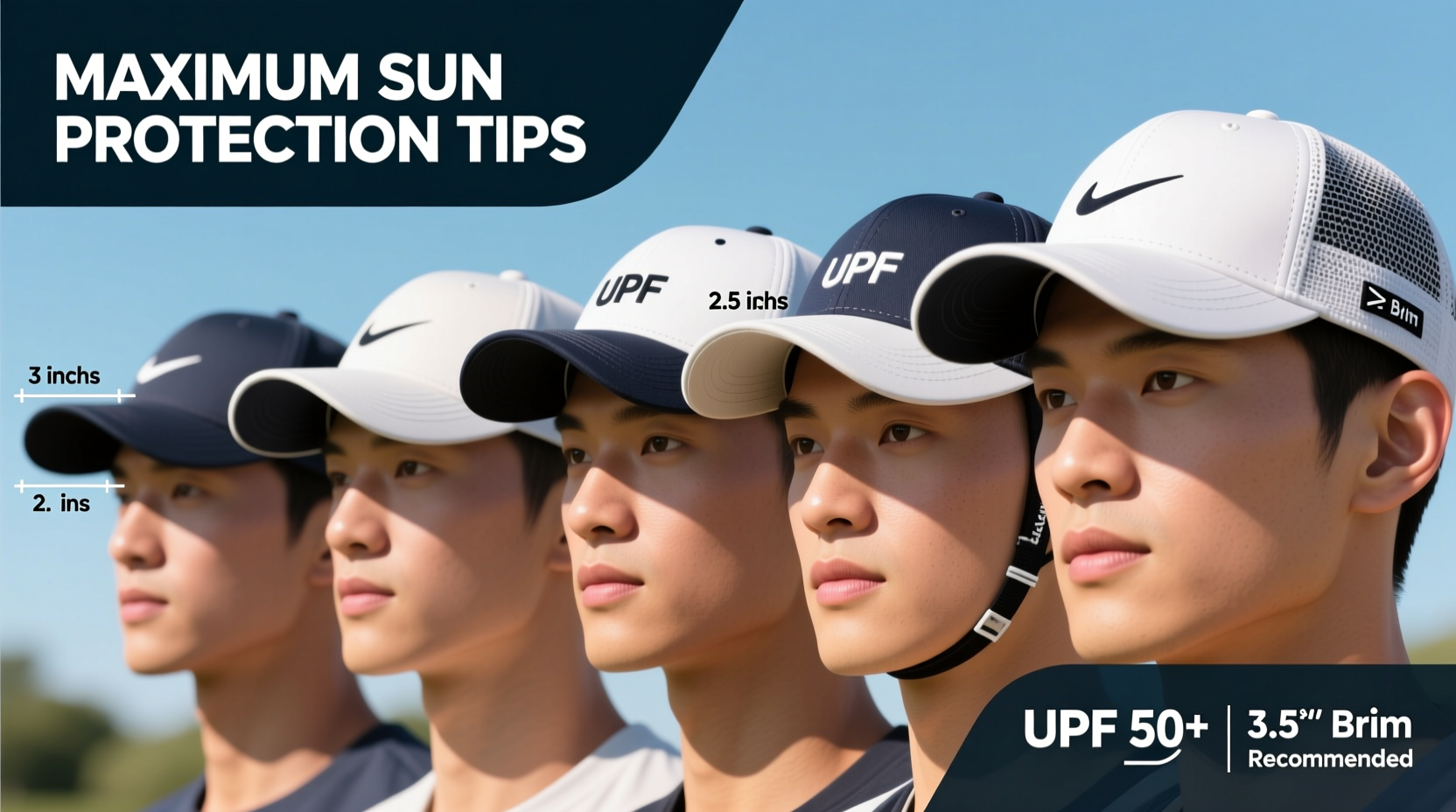
The head and face are among the most frequently exposed areas to sunlight. According to the Skin Cancer Foundation, up to 80% of UV exposure occurs on the head, neck, and shoulders. These regions are particularly susceptible because they’re rarely covered by clothing and often missed during sunscreen application. A standard baseball cap shields the forehead and top of the scalp but leaves the ears and back of the neck vulnerable—areas where skin cancers commonly develop.
To truly maximize protection, your cap must do more than just block visible light. It needs to provide effective ultraviolet protection factor (UPF), a rating system that measures how much UV radiation a fabric blocks. Unlike SPF, which applies to sunscreens, UPF evaluates fabric performance. A UPF 50 rating means only 1/50th (2%) of UV radiation penetrates the material.
“Many people think any hat will do, but without adequate coverage and UPF-rated fabric, you're still at risk—even on cloudy days.” — Dr. Linda Chen, Dermatologist and Sun Safety Advocate
Key Features of a High-Protection Baseball Cap
Not every cap labeled “sun hat” delivers real protection. To make an informed choice, focus on these five critical features:
- UPF-Rated Fabric: Look for a minimum UPF 30, but ideally UPF 50+. This ensures over 98% of UV rays are blocked.
- Brim Length and Wrap-Around Design: A brim of at least 3 inches provides better facial coverage. Some modern caps include side flaps or extended mesh panels that protect the ears.
- Neck Coverage: Caps with built-in neck capes or fold-out UV flaps dramatically reduce exposure to the nape of the neck.
- Tight Weave and Dark Colors: Densely woven fabrics in darker hues absorb more UV radiation than loose weaves or light colors.
- Breathability and Moisture-Wicking: Since you’ll wear it during physical activity, choose materials like polyester blends designed for ventilation and sweat control.
Comparing Cap Types: What Works and What Doesn’t
| Cap Type | UPF Rating | Covers Ears? | Covers Neck? | Best For |
|---|---|---|---|---|
| Standard Cotton Baseball Cap | UPF 5–7 | No | No | Casual wear, minimal sun exposure |
| Polyester Performance Cap | UPF 30–50 | Limited | No | Sports, daily commutes |
| Baseball Cap with Neck Flap | UPF 50+ | Partial | Yes | Hiking, gardening, beach days |
| Fisherman-Style Bucket Hat (Baseball Hybrid) | UPF 50+ | Yes | Partial wrap | All-day outdoor use |
| Rolled-Brim Baseball Cap | Varies | No | No | Fashion-focused settings |
Step-by-Step Guide to Selecting Your Ideal Sun-Safe Cap
Follow this process to ensure you’re getting maximum protection without sacrificing comfort:
- Assess Your Sun Exposure Level: Are you gardening for hours, running errands, or training for a marathon? High-exposure activities demand higher UPF and coverage.
- Check for UPF Certification: Look for labels indicating UPF 30 or higher from reputable brands. Avoid vague claims like “sun protective” without ratings.
- Evaluate Coverage Needs: If you spend long periods outdoors, prioritize models with ear flaps or neck capes. Foldable designs offer versatility.
- Test the Fit and Ventilation: A cap should sit snugly without sliding. Mesh side panels improve airflow but shouldn’t compromise fabric density.
- Inspect Durability and Care Instructions: Frequent washing degrades some fabrics. Choose machine-washable options with color-fast, fade-resistant treatment.
- Try Before You Buy (If Possible): Wear it under bright light to check visibility and comfort. Ensure the brim doesn’t obstruct your view during movement.
Real-World Example: Hiker’s Upgrade Prevents Sun Damage
Mark, a weekend hiker in Arizona, used to wear a standard navy baseball cap on trails. After developing a pre-cancerous lesion behind his left ear, his dermatologist recommended switching to a high-protection alternative. He began using a UPF 50+ cap with a removable neck drape and side shields. Within a year, follow-up exams showed no new lesions, and Mark reported feeling noticeably cooler due to improved breathability. His experience underscores how small gear changes can yield significant health benefits.
Tip: Pair your protective cap with UV-blocking sunglasses and broad-spectrum SPF 30+ on exposed skin for full facial defense.Common Mistakes to Avoid When Buying Sun-Protective Caps
- Trusting Appearance Over Performance: A wide-brimmed straw hat may look protective but offers poor UPF if loosely woven.
- Ignoring the Neck Area: Many caps leave the back of the neck fully exposed—an oversight that increases burn risk.
- Using Worn-Out Caps: Fabric degrades over time. After repeated washing and sun exposure, UPF effectiveness drops significantly.
- Choosing Style Over Substance: Fashion-forward caps often sacrifice coverage for aesthetics. Balance both when possible.
- Assuming All “Outdoor” Caps Are Equal: Not all sports brands prioritize UV protection. Always verify specifications.
Essential Checklist Before Purchase
- ✅ Has a UPF 30+ rating (ideally 50+)
- Confirmed by label or manufacturer testing
- ✅ Covers ears and/or includes side protection
- Look for extended panels or wraparound design
- ✅ Includes neck flap or compatibility with add-ons
- Especially important for prolonged sun exposure
- ✅ Made from tightly woven, moisture-wicking fabric
- Polyester, nylon, or specialized sun-weave textiles
- ✅ Comfortable for extended wear
- Adjustable strap, breathable crown, no pressure points
- ✅ Machine washable and colorfast
- Ensures longevity and hygiene after frequent use
Frequently Asked Questions
Can I rely on a regular baseball cap for sun protection?
No. Most standard cotton or fashion caps offer UPF 5 or less, blocking only about 20% of UV rays. They also fail to cover the ears and neck—common sites for sun damage. For meaningful protection, upgrade to a certified UPF 30+ cap with added coverage.
Do darker caps really offer more protection?
Generally, yes. Darker dyes absorb more UV radiation than lighter ones. However, color alone isn’t enough. A dark cap made of thin, loosely woven fabric still allows significant penetration. Always combine color with a verified UPF rating.
How often should I replace my sun-protective cap?
Every 1–2 years with regular use. Signs it’s time to replace include fading, stretching, thinning fabric, or loss of shape. UV protection diminishes with wear, especially after frequent washing and sun exposure.
Final Thoughts: Make Protection Part of Your Routine
A baseball cap isn’t just an accessory—it’s a frontline defense against sun damage. By selecting one engineered for UV protection, you invest in long-term skin health. Prioritize measurable factors like UPF rating and coverage over trends or brand names. Whether you’re walking the dog, coaching youth baseball, or hiking mountain trails, the right cap keeps you safer without slowing you down.
💬 Ready to upgrade your sun safety game? Share your favorite protective cap model or ask questions in the comments—help others find smarter ways to stay safe under the sun!








