
Football crests are more than just emblems stitched onto jerseys—they are symbols of identity, pride, and legacy. For fans, they represent loyalty and belonging. For collectors, they are artifacts of design evolution, cultural history, and club heritage. Whether you're a lifelong supporter or an emerging memorabilia enthusiast, understanding what makes a crest truly great—and collectible—adds depth to your appreciation of the beautiful game.
The Significance of Football Crests
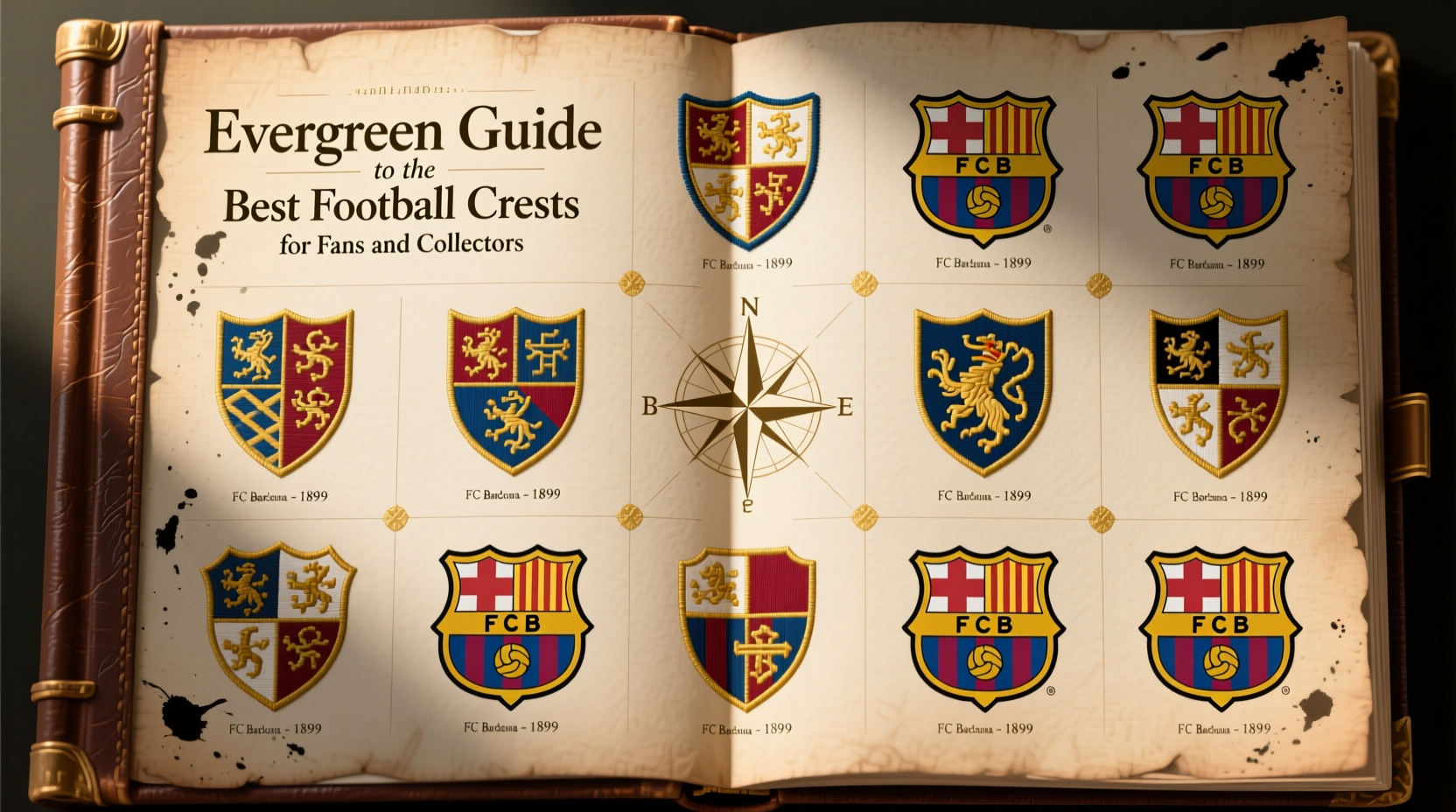
A football crest is often the first visual identifier of a club. It appears on kits, scarves, stadium entrances, and digital platforms. Over time, these emblems have evolved from simple badges to intricate works of art that encapsulate a team’s origins, values, and community ties.
Crests serve both symbolic and practical purposes. They distinguish clubs on the pitch, foster emotional connection among supporters, and act as branding tools in commercial markets. Historically, many early crests were derived from municipal coats of arms or local industry motifs—reflecting the working-class roots of the sport.
For example, Arsenal’s cannon references the armaments factory where the club originated, while Liverpool’s iconic \"Liver Bird\" symbolizes the city itself. These elements aren’t arbitrary; they’re deeply rooted in geography, history, and collective memory.
Tip: When evaluating a crest's authenticity or rarity, research its production era—older embroidered versions pre-dating mass manufacturing are often more valuable.Iconic Crests That Define Football History
Some crests transcend aesthetics and become cultural icons. These designs stand out not only for their visual appeal but also for longevity, symbolism, and influence across generations.
- Real Madrid – The clean, regal white shield with gold detailing reflects the club’s status and royal patronage (granted by King Alfonso XIII in 1920). Its consistency over decades reinforces institutional prestige.
- Manchester United – The current devil holding a trident pays homage to the “Red Devils” nickname adopted in the 1960s. Earlier versions included a red devil alone or a ship referencing Manchester’s industrial port past.
- Boca Juniors – One of the most distinctive in world football, the diagonal blue-and-gold band mirrors Argentina’s flag and stands out instantly, even without text.
- Celtic FC – Featuring a four-leaf clover and the letters “C.F.C.”, it blends Irish symbolism with minimalist elegance, unchanged in core design since the late 19th century.
- Marseille – The stylized anchor and radiant sun evoke the Mediterranean port city, while the Latin motto “Droit au But” (“Straight to the Goal”) adds philosophical weight.
“Great crests tell stories at a glance. They balance tradition with identity, making them timeless—even when updated.” — Dr. Luca Moretti, Sports Heritage Curator, UEFA Museum
What Makes a Crest Collectible?
Not all crests hold equal value in the collector’s market. Several factors determine desirability:
| Factor | Description | Impact on Value |
|---|---|---|
| Rarity | Limited-run patches, tournament editions, or short-lived redesigns | High |
| Era | Vintage crests (pre-1980s), especially hand-stitched or wool-backed | Very High |
| Material | Embroidered cotton, felt, or leather vs. modern synthetic prints | Moderate |
| Club Legacy | Clubs with global fanbases or Champions League pedigree | High |
| Historical Context | Tied to major events (e.g., World Cup wins, centenary logos) | Variable |
Collectors often seek crests from transitional periods—such as Bayern Munich’s shift from a striped diamond to a circular badge in the 1970s—or those used during legendary seasons, like AC Milan’s 1989–95 badge worn during their European dominance.
Mini Case Study: The Rise of the Ajax Amsterdam Badge
In 2011, a rare 1970s Ajax crest—featuring three red-and-white stripes within a bold oval frame—sold at auction for €2,300. The buyer, a Dutch expat in Canada, traced the patch to a vintage kit worn during Johan Cruyff’s peak years. Though small in size, the crest represented a golden era of Total Football. Its value wasn’t just monetary; it was emotional capital made tangible.
This case illustrates how context elevates collectibility. A standard replica badge might cost €5 today, but one tied to a historic moment, especially if verified, can command hundreds or thousands.
How to Start a Crest Collection: A Step-by-Step Guide
Building a meaningful collection doesn’t require vast resources—just focus, patience, and strategy. Follow this timeline to get started:
- Define Your Focus (Week 1–2)
Select a niche: national leagues (e.g., English Premier League), historic clubs, or defunct designs. Specialization increases coherence and value. - Research Authentic Sources (Week 3)
Identify reputable suppliers: official club stores, licensed memorabilia dealers, and trusted online marketplaces like Catawiki or eBay (with verification). - Acquire First Pieces (Month 2)
Purchase 3–5 starter crests from different eras of your chosen club(s). Prioritize condition and provenance. - Document & Preserve (Ongoing)
Create a catalog with dates, materials, and sourcing details. Store crests flat in acid-free sleeves away from sunlight and moisture. - Expand Strategically (Months 3+)
Add rare variants—commemorative badges, youth academy logos, or international tour patches—that deepen your narrative.
Common Pitfalls to Avoid
New collectors often make mistakes that diminish value or lead to frustration. Here’s what to watch for:
- Ignoring Provenance: Without documentation, even a rare crest may be dismissed as reproduction.
- Overpaying for Replicas: Many modern “vintage-style” crests are mass-produced. Check manufacturer tags and stitching methods.
- Neglecting Storage: Humidity causes fabric decay; UV light fades colors. Use archival-quality containers.
- Chasing Trends: Newly popular clubs due to recent success may see crest prices spike temporarily—but not always sustainably.
Do’s and Don’ts of Football Crest Collecting
| Do’s | Don’ts |
|---|---|
| Verify authenticity through club archives or collector databases | Assume all old-looking crests are genuine |
| Focus on condition: look for intact stitching and color retention | Buy damaged crests expecting restoration to increase value |
| Attend fan fairs or club museums for access to rare merchandise | Invest heavily without consulting experienced collectors |
Frequently Asked Questions
Are original match-worn crests worth more than retail ones?
Yes, significantly. A crest cut from a player-used jersey during a Champions League final can sell for tens of thousands. However, authentication is critical—certificates from clubs or third-party services like CSG or JSA add legitimacy.
Can I legally resell crests removed from official kits?
In most jurisdictions, yes—as long as you’re not infringing on trademarks through large-scale reproduction or misleading branding. Selling individual collected patches is generally considered personal use resale.
How do I know if a crest is from the correct era?
Compare against official club yearbooks, museum collections, or trusted online repositories like the Football Kit Archive. Pay attention to font styles, shape changes, and sponsor placements, which often align with specific decades.
Final Thoughts: Wear Pride, Preserve Legacy
Football crests are threads connecting generations of fans. They carry triumphs, tragedies, and traditions in compact form. Whether displayed in a shadow box or passed down as heirlooms, these emblems deserve thoughtful curation.
Start with one club, one story, one badge. Let your collection grow organically, guided by passion rather than price tags. In doing so, you don’t just preserve memorabilia—you honor the soul of the game.
💬 Have a favorite crest or a collecting journey to share? Join the conversation—your insight could inspire the next generation of football historians and fans.








