Trail running is as diverse as the landscapes it traverses. From soft forest loam to jagged alpine ridgelines, each surface demands specific footwear support, grip, and protection. Choosing the wrong shoe can mean discomfort, instability, or even injury. The right pair, however, becomes an extension of your foot—responsive, protective, and confident across shifting conditions. This guide breaks down the essential factors in selecting trail runners that match your terrain, foot type, and running goals—now and for years to come.
Understand Your Terrain: Match Shoe Design to Ground Conditions
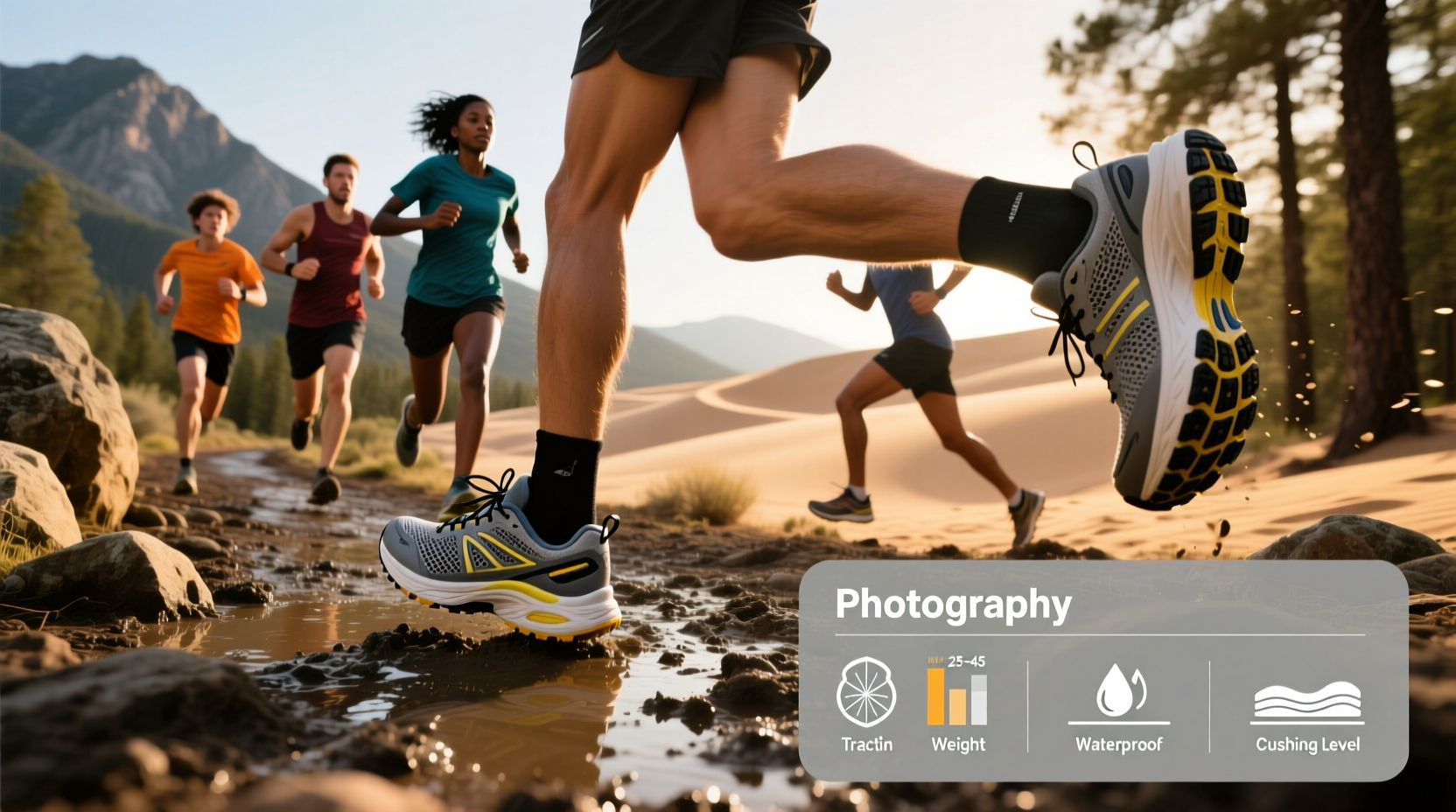
The first step in selecting trail running shoes is identifying the primary terrain you’ll encounter. Different surfaces require different levels of cushioning, outsole depth, and upper protection.
- Rocky, technical trails: Prioritize shoes with stiff midsoles, rock plates, and aggressive lugs (5–6mm). Protection and stability are critical.
- Muddy or wet trails: Look for deep, widely spaced lugs (6mm+) and hydrophobic uppers. Quick-drying materials prevent sloshing and blisters.
- Hardpack or fire roads: Lighter shoes with moderate cushioning and shallower lugs (3–4mm) offer efficiency over long distances.
- Alpine or high-elevation routes: Waterproof or weather-resistant models with secure fit systems help manage cold, debris, and variable conditions.
- Sandy or loose terrain: A snug heel lock and gusseted tongue prevent grit ingress. Moderate tread helps maintain forward traction.
Key Features That Define Performance
Trail shoes aren’t just road shoes with extra tread. They’re engineered for durability, grip, and off-road responsiveness. Understanding these components ensures a smarter purchase.
Outsole: Your Connection to the Ground
The rubber compound and lug pattern determine traction. Sticky rubber (e.g., Vibram Megagrip) excels on wet rock and slick roots. Deep, multidirectional lugs shed mud effectively. Avoid overly dense lugs—they clog easily and reduce flexibility.
Midsole: Cushioning vs. Responsiveness
Cushioning protects joints on long descents but can feel unstable on narrow ridges. Softer foams (like EVA) are plush; firmer ones (like Pebax or compressed EVA) offer better energy return. Consider your typical mileage and elevation gain when choosing stack height.
Upper: Breathability, Fit, and Protection
Knit or mesh uppers breathe well but may lack abrasion resistance. Reinforced synthetics handle brush and scree better. A gusseted tongue keeps debris out. Look for welded overlays instead of stitching—they resist water absorption and tearing.
Fit and Heel Lock
Trail shoes should have a secure midfoot hold and room in the toe box for downhill splay. Many brands now offer wide-fit versions. Always try shoes with the socks you plan to run in.
“Many runners size up half a size in trail shoes to accommodate foot swelling during long runs.” — Dr. Lena Torres, Sports Podiatrist
Shoe Selection Checklist: What to Evaluate Before Buying
Use this checklist to assess any trail shoe before committing:
- ✅ Lug depth appropriate for your main terrain
- ✅ Presence of a rock plate (essential for sharp or rocky trails)
- ✅ Secure heel lockdown (no slippage when walking downhill)
- ✅ Toe protection (rubber bumper at front)
- ✅ Midsole stiffness matching your stability needs
- ✅ Upper material suitable for expected moisture exposure
- ✅ Weight under 11 oz (for most runners; ultralight enthusiasts may go lower)
- ✅ Compatibility with orthotics if needed
Comparing Top Trail Shoe Categories
| Category | Lug Depth | Best For | Example Models |
|---|---|---|---|
| All-Terrain | 4–5mm | Versatile use on mixed trails | Hoka Speedgoat 5, Saucony Peregrine 13 |
| Aggressive/Technical | 5–7mm | Rugged, steep, or loose terrain | La Sportiva Bushido II, Salomon S/Lab Ultra 4 |
| Lightweight/Race | 3–4mm | Faster runs, hardpack, racing | Altra Lone Peak RSM, Nike Pegasus Trail 4 |
| Max-Cushioned | 4–6mm | Long distances, joint protection | Brooks Cascadia 17, ASICS Trabuco Max |
| Waterproof | 4–5mm | Wet climates, snowmelt trails | Salomon Quest 4 GTX, Lowa Renegade GTX |
Real Runner Example: Navigating the Pacific Crest Trail Section
Jess, an intermediate trail runner from Oregon, planned a 30-mile weekend section of the Pacific Crest Trail. The route included volcanic scree, river crossings, and exposed switchbacks. She initially chose a lightweight road-to-trail hybrid but experienced hotspots and poor grip on descent. After switching to a stiffer, rock-plated shoe with 5mm lugs and a secure heel, her confidence and comfort improved dramatically. Her blister risk dropped, and she finished strong without post-run soreness.
This illustrates how terrain-specific features directly impact performance and recovery. Matching gear to environment isn’t overkill—it’s essential.
Step-by-Step: How to Choose Your Ideal Trail Shoe
- Assess your typical trail type – Use a log or app to track recent runs and identify dominant surfaces.
- Determine your foot mechanics – Are you neutral, overpronating, or supinating? Consider a gait analysis if unsure.
- Define your distance range – Shorter runs favor lighter shoes; longer efforts benefit from more cushion and protection.
- Test fit in person if possible – Walk on an incline ramp or stairs to check heel slip and toe space.
- Try before you buy, or order from a retailer with returns – Run on gravel or grass within the return window to test real-world grip.
- Evaluate after 10–15 miles – Initial comfort can be misleading. Assess hot spots, ankle stability, and fatigue levels.
Frequently Asked Questions
How often should I replace my trail running shoes?
Most trail shoes last 400–600 miles. However, if the lugs are worn flat, the midsole feels dead, or the upper shows tears, replace them sooner—even if the mileage is low. Wet conditions accelerate wear.
Do I need waterproof trail shoes?
Only if you consistently run in wet environments or snow. Most breathable membranes (like Gore-Tex) reduce airflow and increase weight. For occasional puddles, a quick-dry mesh upper is more efficient.
Can I use trail shoes on roads?
Yes, briefly—but avoid long stretches. Aggressive lugs wear quickly on pavement, and stiffer soles may feel harsh. If you do mixed-surface runs, choose a model designed for transition zones, like the Hoka Challenger 7.
Final Thoughts: Invest in the Right Foundation
Your trail running shoes are the foundation of every adventure. They influence speed, safety, and enjoyment more than any other piece of gear. By understanding terrain demands, evaluating key features, and testing thoughtfully, you can find a shoe that supports both your current runs and future ambitions—whether that’s a local ridge loop or a multi-day mountain traverse.
🚀 Ready to upgrade your trail experience? Revisit your current shoes using the checklist above, then explore one new model this season. Share your findings with fellow runners—your insight could help someone find their perfect fit.








