
Catching carp is more than just dropping a line and waiting. These intelligent, cautious fish have evolved to avoid predators—and anglers. Successfully landing one requires understanding their behavior, selecting the right gear, and mastering subtle presentation. Whether you're fishing in a stocked pond or navigating natural river systems, the difference between an empty net and a trophy haul often comes down to preparation and precision.
Understanding Carp Behavior and Habitat
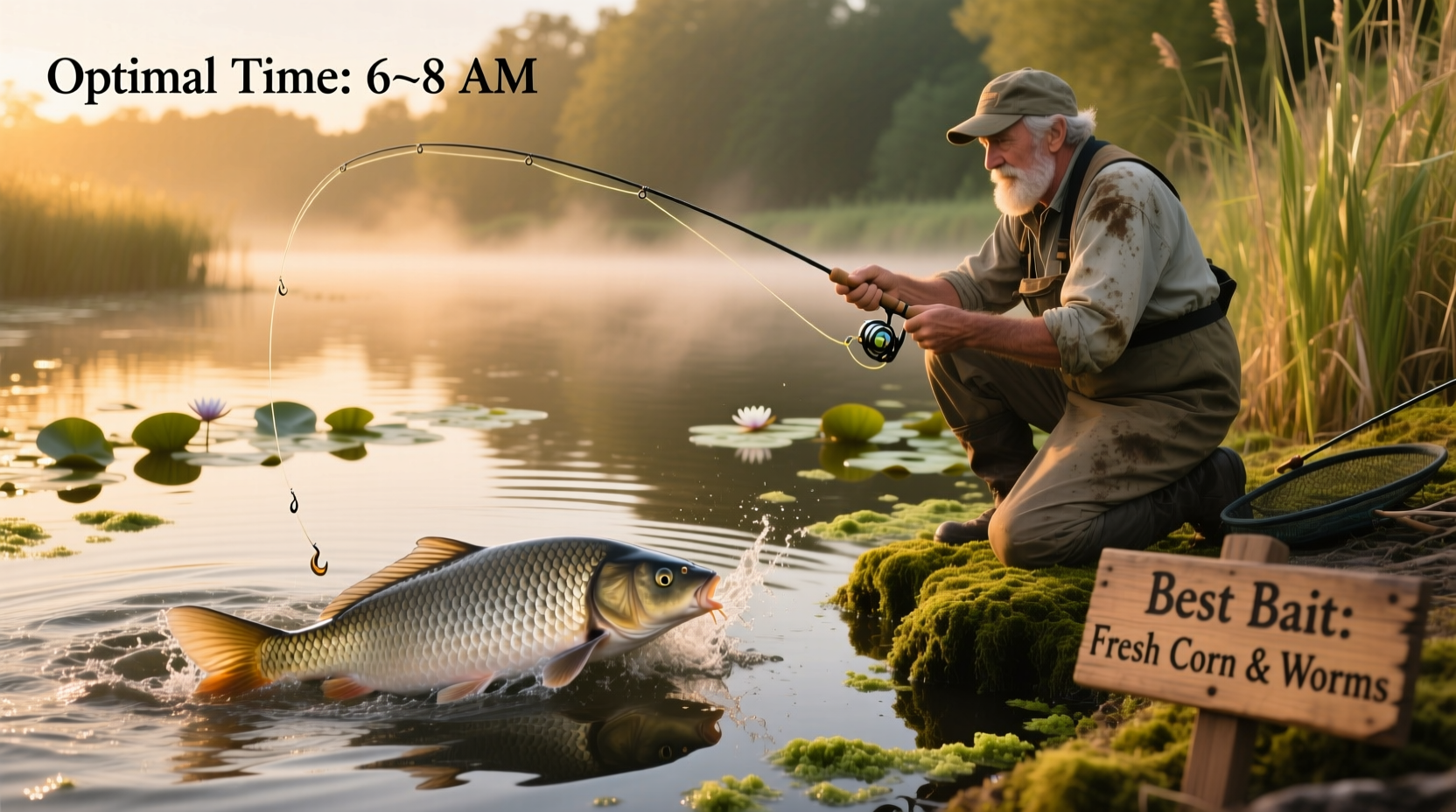
Carp are bottom feeders with highly developed senses of smell and vibration detection. They thrive in slow-moving or still waters rich in aquatic vegetation, where they root through sediment for insects, plant matter, and small crustaceans. Their feeding patterns shift with temperature: active in warmer months, sluggish in winter. Dawn and dusk are peak feeding times, especially in summer when water temperatures rise.
These fish are social creatures, often traveling in small schools. Finding one usually means others are nearby. However, carp become wary after repeated exposure to fishing pressure. In public waters, they quickly learn to avoid unnatural objects, including hooks hidden in bait. This wariness demands stealth, patience, and finesse.
Tip: Approach the bank quietly and avoid casting shadows over the water—carp can detect movement from several feet away.Essential Gear for Carp Fishing Success
The right equipment balances strength and sensitivity. Unlike traditional panfish rods, carp setups must handle powerful runs and sudden dives without sacrificing control.
| Component | Recommended Choice | Why It Matters |
|---|---|---|
| Rod | 10–12 ft match or feeder rod (2.5–3 lb test curve) | Longer rods aid accuracy; moderate power protects light lines during fights |
| Reel | Size 4000–5000 spinning reel with smooth drag | Consistent drag prevents line snap during long runs |
| Line | 8–12 lb fluorocarbon leader + 10–15 lb braid mainline | Fluorocarbon is nearly invisible underwater; braid offers sensitivity and strength |
| Hook | Size 4–8 wide-gape or Korda-style hook | Sharp point penetrates tough carp lips; shape improves hook-up rate |
| Bait Rig | Franco or zig rig, chod rig, or simple hair rig | Keeps bait free-moving and reduces detection |
“Modern carp angling isn’t about brute force—it’s about deception. The fish wins if it sees, smells, or feels something off.” — Mark Thompson, Competitive Carp Angler & UK Match Series Finalist
Proven Bait Strategies and Expert Picks
Bait selection separates casual attempts from consistent success. While canned corn and bread may attract juveniles, trophy carp demand more sophisticated offerings.
Boilies—boiled protein-rich pellets—are the gold standard. Available in hundreds of flavors (tuna, milk, strawberry, halibut), they’re designed to release scent trails that draw carp from distance. Homemade or custom-blend boilies can outperform commercial options in pressured waters.
- Soaked corn: Natural look, effective in clear water.
- Tiger nuts: A favorite in Europe; crunchy texture triggers interest.
- Pellets: Sinking or floating varieties mimic commercial fish food.
- Zig rigs with floating baits: Target carp suspended mid-water, especially in warm summer layers.
Step-by-Step Guide: Setting Up for a Successful Carp Session
- Scout the location: Arrive early to observe surface activity, bird movements, and ripple patterns indicating feeding.
- Pre-bait the zone: Use a catapult to launch small amounts of corn or groundbait near likely spots—near drop-offs, weed edges, or submerged logs.
- Select your rig: For bottom feeding, use a hair rig with a single boilie. For mid-water, switch to a zig rig with buoyant foam bait.
- Cast accurately: Land within 1–2 feet of your pre-baited zone. Avoid splashing.
- Set up bite alarms or visual indicators: Use rod pods with sensitive bleepers to detect subtle takes.
- Stay patient: Wait at least 30 minutes after casting before expecting bites. Move only when necessary.
- Fight wisely: Once hooked, keep steady pressure. Let the rod absorb surges. Avoid reeling during head shakes.
- Land safely: Use a large, soft-handled net. Cradle the fish horizontally on a mat for quick photos and release.
Real Example: Turning a Barren Bank into a Hotspot
In late June, angler Lena Ruiz visited a public lake known for large carp but low catch rates. Previous visitors reported “no signs of life.” Instead of casting randomly, she spent two days pre-baiting a shallow bay with tiger nuts and halibut-based boilies. She avoided fishing those first days, letting the carp grow accustomed to the new food source.
On the third morning, she returned with two rods set on zig rigs using bright pink floating baits. Within 40 minutes, her second rod screamed. After a 22-minute fight, she landed a 28-pound mirror carp—the largest recorded from that lake that season. Her strategy? Pattern recognition, patience, and respecting the fish’s intelligence.
Common Mistakes and How to Avoid Them
Even experienced anglers make errors that cost them catches. Awareness is half the battle.
| Mistake | Consequence | Solution |
|---|---|---|
| Using thick, visible leader | Carp spooked by unnatural line | Switch to 8–10 lb fluorocarbon |
| Casting too frequently | Distracts fish, damages bait site | Cast once, wait, observe |
| Setting the hook too fast | Yanks bait before carp fully takes it | Wait 3–5 seconds after alarm |
| Ignoring wind direction | Scent trail doesn’t reach fish | Position downwind of target zone |
| Handling fish roughly | Causes stress, injury, mortality | Use wet hands, support body, minimize air exposure |
FAQ: Top Questions About Catching Carp
Do I need a special license to fish for carp?
In most regions, carp fishing falls under general freshwater fishing regulations. However, some private fisheries require day tickets or membership. Always check local rules—especially in Europe, where coarse fishing is tightly managed.
What’s the best time of year to catch big carp?
Late spring through early autumn offers peak activity. Water temperatures between 68°F and 75°F trigger aggressive feeding. Early fall is ideal as carp bulk up before winter.
Can I eat carp?
Yes, though preparation is key. Common carp have Y-shaped bones, making filleting tricky. In Eastern Europe and Asia, they’re a traditional dish, often smoked or stewed. Ensure the fish comes from clean water to avoid contaminants.
Final Tips Checklist
- ✅ Scout water conditions and signs of feeding before setting up
- ✅ Pre-bait 1–3 days in advance to build confidence in the spot
- ✅ Use a hair rig to present bait naturally
- ✅ Match your bait scent and color to water clarity
- ✅ Stay quiet and avoid sudden movements
- ✅ Carry a proper unhooking mat and oversized net
- ✅ Practice catch-and-release ethics for sustainability
Conclusion: Master the Mind Game
Carp aren’t just strong—they’re smart. The best anglers don’t overpower them; they outthink them. From choosing the perfect boilie blend to reading ripples like a detective, every detail counts. The gear matters, yes, but so does timing, silence, and respect for the environment.
Whether you’re chasing your first double-digit carp or aiming for the 30-pound club, the principles remain the same: prepare thoroughly, present flawlessly, and persist patiently. Now that you know the essentials and expert secrets, it’s time to put them into practice.
🚀 Grab your rod, pack your boilies, and head to the water this weekend. Share your biggest carp story in the comments—we’d love to hear how you turned knowledge into victory.








