For any serious basketball player, preparation begins long before stepping on the court. A well-packed backpack isn’t just about convenience—it’s about performance, readiness, and minimizing stress during high-pressure routines. Whether you're a high school athlete rushing from class to practice or a college player managing multiple training sessions, how you pack your bag directly impacts your focus, mobility, and recovery. An overloaded, disorganized backpack leads to lost gear, unnecessary strain, and last-minute scrambles. The solution? Strategic packing that balances accessibility, weight distribution, and protection for your essentials.
Choose the Right Backpack for Your Needs
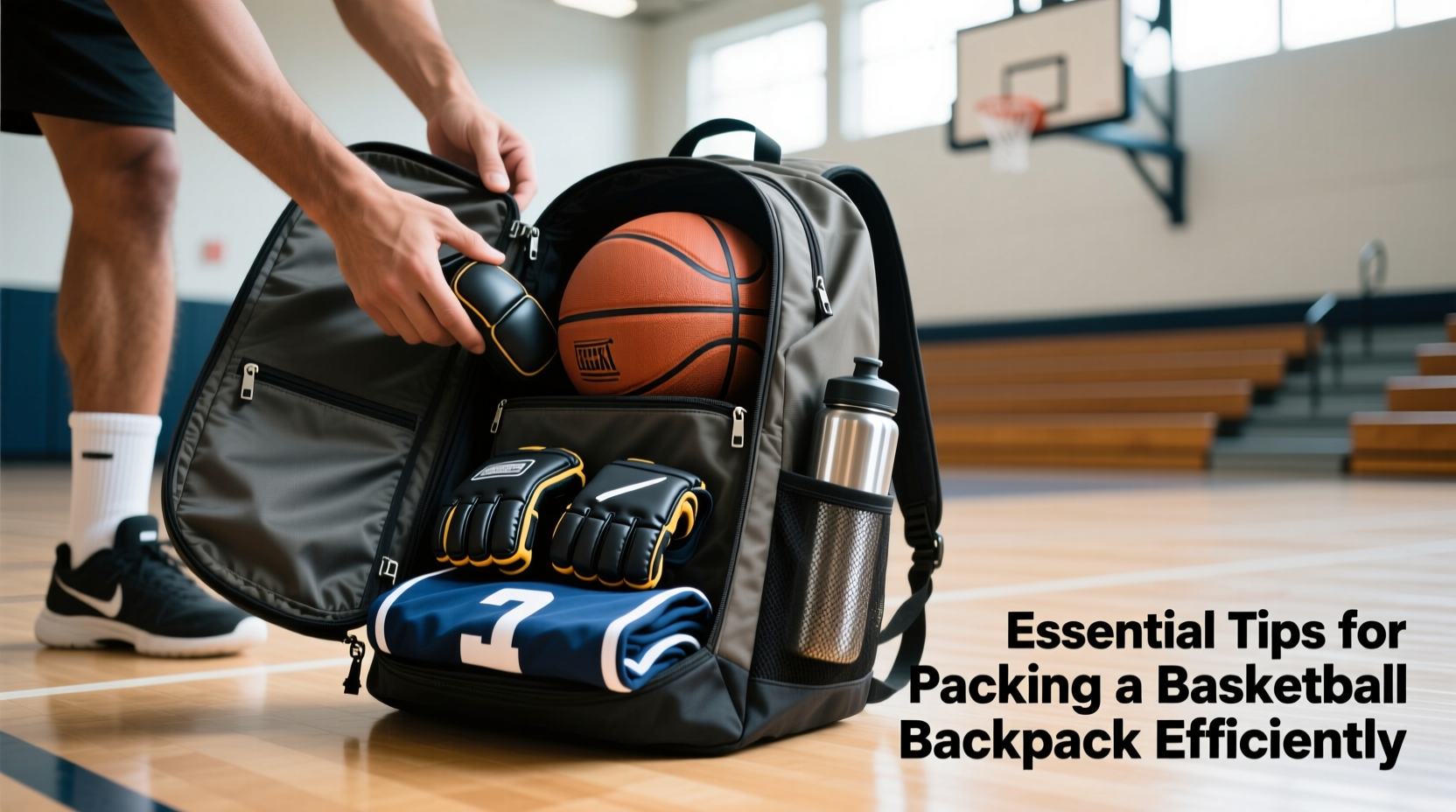
Not all backpacks are created equal—especially in sports. A standard student backpack won’t cut it when you’re carrying a jersey, shoes, water bottle, and post-workout nutrition. Look for a sports-specific model with designated compartments: ventilated shoe pockets, padded laptop sleeves, side mesh for bottles, and internal organization for smaller items. Size matters too. Athletes should opt for 25–35 liters—large enough to hold everything but compact enough to remain agile.
Tip: Always try the backpack with weight inside. Shoulder straps should be padded, and a chest or waist strap can help stabilize heavy loads.Brands like Nike, Under Armour, and Adidas offer performance models designed specifically for athletes. These often include anti-odor linings, quick-access zippers, and durable water-resistant materials. Investing in the right foundation makes efficient packing not only possible but effortless.
Organize by Frequency and Function
Efficiency comes from structure. Divide your gear into categories based on how often you use them and their function. This prevents digging through layers mid-rush and ensures critical items are always within reach.
- Immediate Access (Top compartment): Phone, keys, wallet, headphones, energy bar.
- Daily Essentials (Main compartment): Practice jersey, socks, compression wear, headband.
- Footwear (Ventilated bottom/side pocket): Basketball shoes—keep separate to avoid contaminating clean clothes.
- Liquids & Nutrition (Side pockets): Water bottle, protein shake, electrolyte tablets.
- Electronics (Padded sleeve): Laptop, tablet, charger—always protected.
Using small pouches or drawstring bags within your backpack helps further segment items. For example, a toiletry pouch can hold deodorant, wipes, and lip balm—everything needed for a quick post-practice refresh.
Step-by-Step Guide to Packing Your Basketball Backpack
Follow this sequence every time you pack to ensure consistency and completeness:
- Start with the base layer: Place heavier items like shoes (in a shoe bag) at the bottom or in a dedicated vented compartment.
- Add mid-weight gear: Fold jerseys and compression clothing neatly and place them above or beside the shoes.
- Insert electronics: Slide your laptop or tablet into the padded sleeve—never stack items on top of it.
- Fill side pockets: Secure your water bottle on one side, keys or small accessories on the other.
- Use internal organizers: Store chargers, wristbands, tape, and meds in zippered inner pockets.
- Top off with daily essentials: Add snacks, phone, wallet, and headphones in an outer or top flap pocket for easy access.
- Double-check: Run through your checklist (see below) before zipping up.
This method keeps weight balanced close to your back, reduces strain, and ensures nothing gets crushed or lost in transit.
Do’s and Don’ts of Basketball Backpack Packing
| Do’s | Don’ts |
|---|---|
| Use a separate shoe compartment or bag | Store dirty shoes loose in the main pocket |
| Pack a lightweight towel or wipe for sweat | Overpack with non-essentials like extra books |
| Label small containers (e.g., “Knee Tape”) | Leave loose items rattling at the bottom |
| Carry a reusable water bottle | Forget to clean your bag regularly |
| Include a spare pair of socks | Store wet gear without ventilation |
Adhering to these guidelines extends the life of your gear and keeps your backpack functional, not chaotic.
Real-World Example: How a College Guard Optimized His Routine
Jalen, a starting guard for a Division I team, used to arrive late to shootarounds because he’d forget his mouthguard or couldn’t find his ankle tape. His backpack was overstuffed, with clothes jammed on top of his laptop. After tweaking his system, he implemented color-coded pouches: red for taping supplies, blue for nutrition, green for electronics. He also began pre-packing the night before, following a checklist taped inside his locker. Within two weeks, he reduced his pre-practice prep time by 70% and eliminated forgotten items entirely. His coach noticed the change in punctuality and focus. “It sounds small,” Jalen said, “but having everything exactly where I need it lets me show up mentally ready.”
“Organization is a form of discipline. Players who manage their gear efficiently usually manage their time and recovery better too.” — Coach Marlon Reyes, NCAA Assistant Coach & Performance Coordinator
Essential Packing Checklist for Basketball Athletes
Print or save this checklist to ensure you never miss a critical item:
Checklist:- 🏀 Basketball shoes (clean and laced)
- 👕 Practice jersey and shorts
- 🧦 Moisture-wicking socks (2 pairs)
- 💪 Compression gear (sleeves, shirt, or tights)
- 🧴 Ankle tape or braces
- 💧 Reusable water bottle (filled)
- 🍫 Quick-energy snack (bar, banana, or gel)
- 📱 Phone + charger + headphones
- 🧼 Small towel or hygiene wipes
- 🦷 Mouthguard
- 🔋 Portable power bank
- 📓 Any required academic materials
Review this list nightly if your schedule changes frequently. Adjust based on game days vs. practice days—game packs might include warm-up suits or motivational playlists on a secondary device.
Frequently Asked Questions
How do I prevent my clothes from smelling after practice?
Moisture breeds odor. Always air out your gear after use. Use a separate mesh laundry bag inside your backpack for sweaty clothes, or pack a dry towel to wrap damp items. Anti-odor sprays designed for athletic gear can be lightly applied before storage. Never leave wet clothes sealed in plastic or fabric overnight.
Should I carry ice or recovery tools in my backpack?
Only if you have a thermal-insulated compartment. Standard backpacks aren’t designed to keep ice frozen, and leaks can ruin electronics and clothing. Instead, store a collapsible foam roller or massage ball in a side pocket—they’re lightweight and effective. For icing, plan to use facility-provided options or bring a reusable cold pack designed for transport.
How often should I clean my basketball backpack?
Wipe down interior surfaces monthly with a disinfectant cloth. Empty all compartments weekly and vacuum crumbs or dust. If your bag has removable inserts, wash them according to manufacturer instructions. Regular cleaning prevents bacteria buildup and maintains material integrity.
Final Thoughts: Efficiency Fuels Excellence
An efficiently packed basketball backpack is more than a container—it’s a reflection of your professionalism and preparedness. Every second saved searching for gear is a second gained for mental focus, stretching, or reviewing plays. When your routine is streamlined, your mind is free to perform at its peak. The habits you build off the court—like thoughtful packing, consistent organization, and gear maintenance—translate directly to confidence and control on it.
💬 What’s one item you never forget in your basketball bag? Share your must-have gear tip with fellow athletes in the comments and help build smarter routines across the game.








