Standing at the base of a snowy mountain, ready to carve your first turn of the day, the last thing you want is discomfort from poorly chosen gear. While skis, boards, and jackets often steal the spotlight, your snow boots are the critical link between you and your equipment. The right pair supports precision control, keeps your feet warm and dry, and prevents fatigue over long days on the mountain. Choosing wisely isn’t just about brand names or aesthetics—it’s about fit, function, and how well they align with your riding style.
Understand the Difference: Ski Boots vs. Snowboard Boots
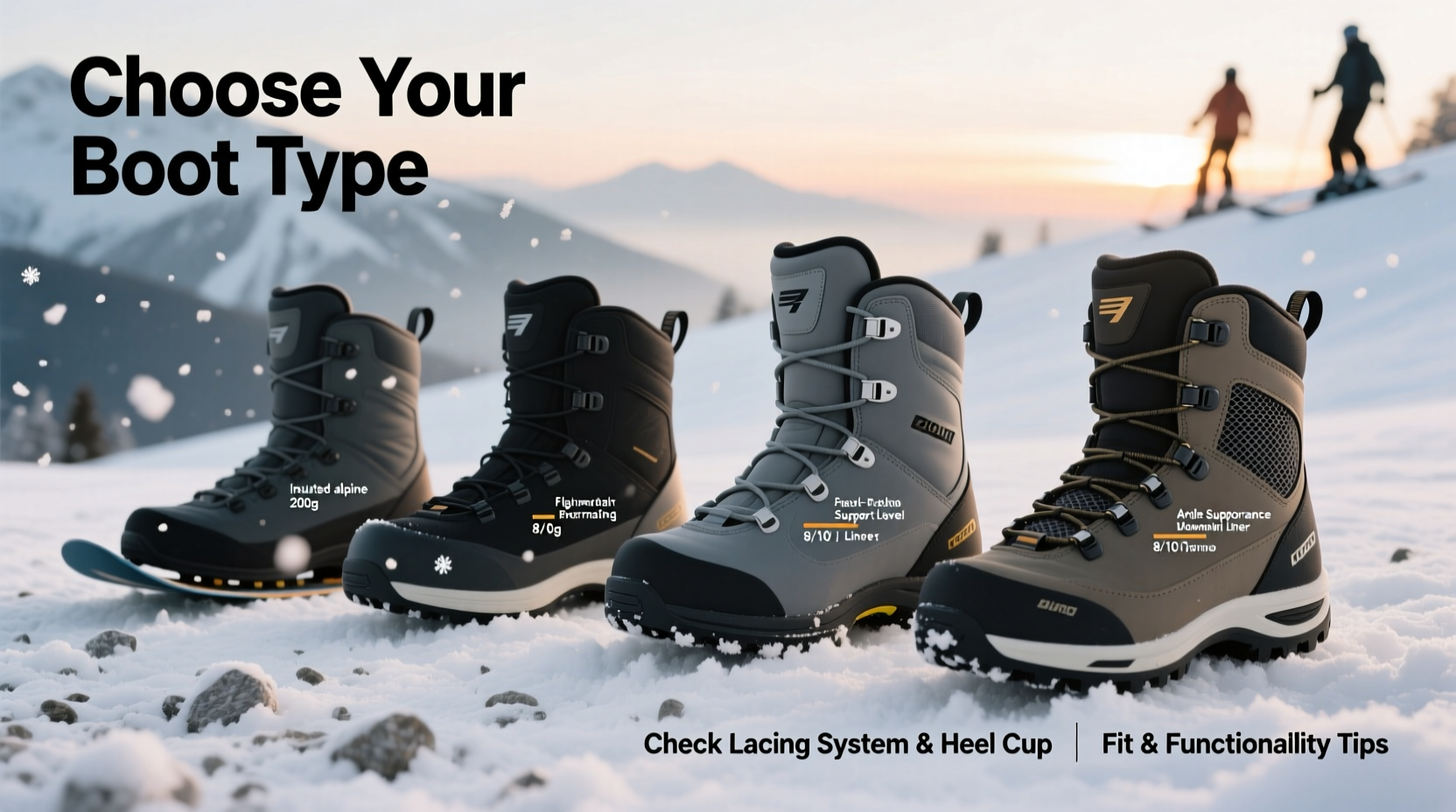
Before diving into selection criteria, it’s crucial to recognize that ski boots and snowboard boots serve fundamentally different purposes and are not interchangeable.
Ski boots are rigid, structured, and designed to transfer precise movements from your legs to your skis. They lock your foot and lower leg into place, offering maximum responsiveness. In contrast, snowboard boots are more flexible, resembling high-top athletic shoes with added insulation and support. They allow ankle movement for balance and turning while still providing lateral stability.
Mistaking one for the other leads to poor performance and potential injury. Always ensure you’re shopping within the correct category based on your sport.
Tip: Never wear ski boots for snowboarding or vice versa—each is engineered for specific biomechanics and binding systems.Fit Is Everything: How to Get the Right Sizing
No amount of advanced technology can compensate for a poor fit. A boot that's too tight causes numbness and circulation issues; one that’s too loose reduces control and increases the risk of blisters.
When trying on boots, do so in the afternoon when feet are slightly swollen, and wear the same type of sock you plan to use on the slopes. A properly fitting boot should feel snug but not painful. There should be minimal heel slippage, and your toes should lightly touch the front when standing upright—but pull back slightly when flexing forward into a skiing or riding stance.
Many brands offer heat-moldable liners or shells. These can be customized by a professional to conform precisely to your foot shape, greatly enhancing comfort and performance. This customization is especially valuable if you have wide feet, high arches, or other unique foot characteristics.
“Boot fit is 70% of your performance equation. Even world-class athletes underperform in ill-fitting boots.” — Lars Jensen, Professional Ski Technician, 15+ years at Aspen Ski Tech Services
Step-by-Step Guide: How to Test Boot Fit
- Wear appropriate ski or snowboard socks during fitting.
- Unbuckle the boot completely and slide your foot in.
- Push your heel all the way back and wiggle your toes. You should feel contact at the toe box.
- Buckle the boot securely, starting from the bottom up.
- Flex forward into a squat position. Your toes should no longer press against the front.
- Walk around for 5–10 minutes to assess pressure points and heel lift.
Key Features That Impact Comfort and Performance
Beyond fit, several design elements influence how a boot performs in real-world conditions. Understanding these helps narrow down choices based on your priorities.
| Feature | Why It Matters | Best For |
|---|---|---|
| Flex Rating (Soft/Medium/Hard) | Determines responsiveness and ease of control. Softer = forgiving, harder = precise. | Beginners: Soft-Medium; Experts: Medium-Hard |
| Insulation Level | Affects warmth. Too much can cause overheating; too little risks cold feet. | Cold climates: High insulation; Moderate temps: Low-Mid |
| Liner Material | Memory foam or heat-moldable liners improve comfort and reduce break-in time. | All riders seeking long-term comfort |
| Entry System (Lace-up, Boa, Speed-Lace) | Affects ease of tightening and adjustability mid-run. | Boa: Precision; Lace-up: Custom feel; Speed-lace: Balance |
| Outsole Grip | Important for walking to lifts or navigating icy walkways. | Park riders, resort visitors with long walks |
Real Example: From Pain to Peak Performance
Mark, an intermediate snowboarder from Michigan, struggled through two seasons with persistent foot pain and lack of edge control. He assumed discomfort was normal until he visited a specialty shop for a proper boot fitting. The technician discovered his boots were half a size too small and had an overly stiff flex for his riding style. After switching to a wider model with a medium flex and heat-molded liner, Mark reported immediate improvements: better turns, no numbness, and the ability to ride full days without foot fatigue. His experience underscores how technical details directly affect enjoyment and progression.
Tip: Don’t rely on your regular shoe size. Boot sizing varies significantly between brands and models—always try before you buy.Checklist: What to Evaluate Before Buying Snow Boots
- ✅ Sport-specific design (ski or snowboard)
- ✅ Correct flex rating for your skill level
- ✅ Snug, secure fit with no heel lift
- ✅ Adequate insulation for expected temperatures
- ✅ Compatibility with your bindings
- ✅ Heat-moldable or customizable liner option
- ✅ Reliable closure system (laces, Boa dials, etc.)
- ✅ Durable outsole with good traction
- ✅ Break-in period considered (some require 3–5 days)
- ✅ Return policy or exchange option if fit isn��t perfect
Frequently Asked Questions
Can I wear regular winter boots for skiing or snowboarding?
No. Regular winter boots lack the structural support, stiffness, and compatibility with bindings required for safe and effective performance. They also don’t provide the precise energy transfer needed for control at high speeds or on steep terrain.
How long do snow boots typically last?
With proper care, quality ski or snowboard boots last 50–100 full days of use—roughly 3 to 5 seasons for average recreational riders. Signs of wear include compressed liners, cracked shells, or reduced responsiveness. Regular cleaning and drying extend lifespan.
Should I size up if my boots feel tight in the store?
Not necessarily. Some tightness is normal initially, especially with new liners that will pack out over time. However, sharp pressure points or numbness won’t improve with use. A professional fit adjustment or heat molding is safer than going up a size, which could compromise control.
Final Considerations: Matching Boots to Your Riding Style
Your ideal boot depends heavily on how and where you ride. Park riders benefit from softer, more flexible snowboard boots that allow easy presses and buttering. All-mountain skiers need a balanced flex—responsive enough for carving, forgiving enough for variable terrain. Powder enthusiasts may prioritize warmth and comfort over aggressive stiffness, especially during long lift rides.
Rental boots serve beginners well, but once you’re committed to the sport, investing in your own properly fitted pair pays dividends in comfort, safety, and progression. Don’t rush the process. Visit a reputable shop with trained fitters, ask questions, and take time to compare options.
“The best boot isn’t the most expensive one—it’s the one that fits *your* foot and matches *your* goals.” — Dana Ruiz, Lead Instructor at Whistler Snow Sports Academy
Conclusion: Step Into Confidence This Season
Your snow boots are more than footwear—they’re performance gear that directly affects every turn, jump, and descent. By prioritizing fit, understanding key features, and matching your choice to your riding style, you set yourself up for warmer, more comfortable, and more enjoyable days on the mountain. Whether you're lacing up for the first time or upgrading after years of rental gear, take the time to make an informed decision. Your feet—and your future self on day three of a backcountry trip—will thank you.
💬 Have a boot fit story or tip that changed your ride? Share your experience in the comments and help others find their perfect match!








