Precise basketball bookkeeping and stat tracking form the backbone of effective team management, player development, and strategic decision-making. Whether you're a high school coach managing a small roster or an analyst compiling data for a semi-professional league, consistent and accurate record-keeping ensures that every play counts—literally. Mistakes in scoring, missed substitutions, or incorrect foul tallies can distort performance metrics, affect player eligibility, and even influence game outcomes. This guide delivers practical, field-tested strategies to help you maintain reliable records and extract meaningful insights from your data.
1. Standardize Your Scoring System
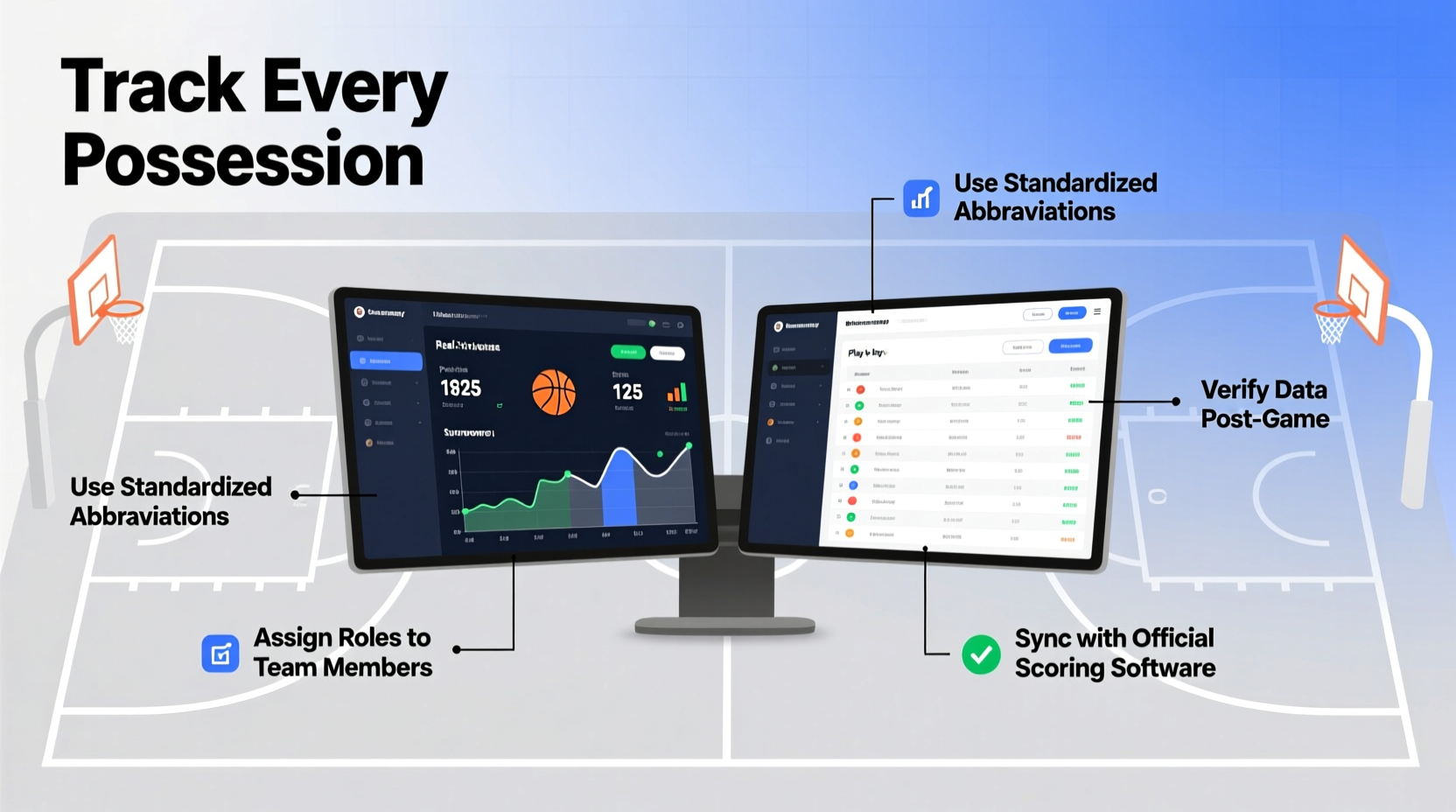
Before the season begins, establish a uniform scoring and notation system across all games and personnel. Inconsistencies in how stats are recorded—such as one scorer marking assists differently than another—can undermine data integrity. Use official guidelines from organizations like FIBA or the NCAA as a foundation, then adapt them to your league’s specific rules.
For example, define exactly what qualifies as an assist: Is it only when a pass leads directly to a made basket? What about secondary assists on kick-outs? Clarifying these details prevents ambiguity during fast-paced gameplay.
Tip: Create a standardized stat sheet template with clear definitions for each category (e.g., points, rebounds, assists) and distribute it to all scorers.2. Train and Assign Dedicated Scorekeepers
Relying on volunteers or rotating staff without proper training is a common pitfall. Accurate bookkeeping requires focus, familiarity with rules, and real-time decision-making. Assign at least two trained individuals per game: one primary scorer and one backup to cross-verify entries.
Training should include:
- Understanding game clock and shot clock mechanics
- Recognizing legal substitutions and timeouts
- Distinguishing between personal and team fouls
- Handling technicals, disqualifications, and ejections
“Even experienced scorers benefit from annual refreshers. The difference between a good stat sheet and a great one often comes down to consistency and attention to detail.” — Marcus Reed, Head Statistician, Midwest Junior Basketball League
3. Implement a Real-Time Double-Check Protocol
Mistakes happen—especially under pressure. To minimize errors, institute a double-check routine at key intervals: after each quarter, during timeouts, and after any stoppage involving fouls or substitutions.
A simple yet effective method is the “Score Sync”: at the end of each period, the head scorer confirms totals with the opposing team’s statistician and the official scorekeeper. This collaborative verification catches discrepancies early and maintains transparency.
Step-by-Step: Score Sync Procedure
- Pause recording immediately after the period ends.
- Compare point totals, foul counts, and timeouts used with the opposing bench.
- Verify player minutes and substitution logs.
- Document any corrections with timestamp and reason.
- Obtain verbal acknowledgment from both teams’ representatives.
4. Leverage Technology Without Overreliance
Digital tools have revolutionized basketball statistics. Apps like Hudl, FastDraw, and Sportscode allow for live input, video tagging, and automated reports. However, technology should support—not replace—human oversight.
Technical glitches, app crashes, or misinputs can lead to cascading errors if not monitored. Always keep a paper backup of core stats (points, fouls, time played) as a failsafe.
| Tool Type | Best For | Limitations |
|---|---|---|
| Digital Scoring Apps | Real-time analytics, video integration | Requires stable internet; battery drain |
| Spreadsheet Templates | Custom reporting, long-term tracking | Manual entry prone to typos |
| Paper Scorebooks | Reliability, no tech dependency | Limited analysis capabilities |
5. Track Player Minutes and Substitution Patterns
One of the most overlooked aspects of bookkeeping is accurate minute tracking. Knowing how long each player is on the court helps assess stamina, manage rotations, and identify overuse injuries before they occur.
Use a substitution log that records:
- Player number entering and exiting
- Game clock time of substitution
- Reason (strategic, injury, foul trouble)
This data becomes invaluable during season reviews. Coaches can analyze which lineups perform best under pressure or determine if starters are logging excessive minutes compared to bench players.
Mini Case Study: The Overlooked Rotation
In a regional high school tournament, a team lost three consecutive close games despite strong individual performances. After reviewing their bookkeeping logs, the coach discovered that his top two guards were averaging over 32 minutes per game—far more than the rest of the rotation. By redistributing minutes and trusting backups earlier, the team improved conditioning and won their next five matchups. The fix wasn’t tactical—it was statistical.
Essential Bookkeeping Checklist
Use this checklist before, during, and after each game to ensure comprehensive coverage:
- Pre-Game: Verify rosters, confirm jersey numbers, set up score sheets
- First Quarter: Record starting lineups and tip-off time
- Ongoing: Log every basket, foul, rebound, assist, steal, block, turnover, and substitution
- End of Period: Perform Score Sync with opposing scorer
- Post-Game: Total individual and team stats, archive digital/paper records, flag anomalies
Common Mistakes and How to Avoid Them
Even seasoned scorers make recurring errors. Awareness is the first step toward prevention.
| Mistake | Impact | Solution |
|---|---|---|
| Miscounting team fouls | Incorrect bonus situation calls | Mark each foul visibly and reset counter per quarter |
| Missing second free throw makes | Inflated shooting percentages | Use dual-column tracking: attempts vs. makes |
| Confusing offensive/defensive rebounds | Skewed efficiency metrics | Assign spotter near baseline to call rebound type |
| Incorrect player attribution | Flawed individual evaluations | Cross-reference jersey numbers with official roster |
Frequently Asked Questions
How do I handle stat disputes during a game?
If a coach or official questions a statistic, refer to your real-time log and any available video evidence. If unresolved, note the discrepancy in the margin and escalate it to the league administrator post-game. Never alter records without documented justification.
Should I track unofficial stats like charges drawn or loose ball recoveries?
Yes—if resources allow. While not part of standard box scores, these “hustle stats” provide deeper insight into player effort and defensive IQ. Start by assigning one dedicated observer per game to log them manually.
How long should I keep game records?
Maintain records for at least two full seasons. Digital files should be backed up monthly; physical scorebooks stored in dry, labeled containers. Some leagues require retention for compliance or eligibility audits.
Final Thoughts: Turn Data Into Decisions
Accurate basketball bookkeeping isn’t just about filling out forms—it’s about building a foundation for growth. When stats are trustworthy, coaches can make informed decisions, players receive fair evaluations, and programs gain credibility. The discipline of meticulous tracking reflects the same precision required on the court: anticipation, consistency, and accountability.
🚀 Start today: Review your last three score sheets, implement one new standardization rule, and train one teammate on proper notation. Small steps lead to smarter basketball.








