
Hunting squirrels is more than a pastime—it’s a tradition rooted in rural America, combining skill, patience, and a deep bond between handler and dog. The right squirrel dog doesn’t just track and tree game; it also thrives as a loyal, energetic companion at home. Selecting a breed that excels both in the woods and on the back porch requires understanding temperament, trainability, endurance, and instinct. This guide explores the top breeds suited for squirrel hunting and family life, offering practical advice to help you make an informed choice.
Top Squirrel Dog Breeds: Traits and Strengths
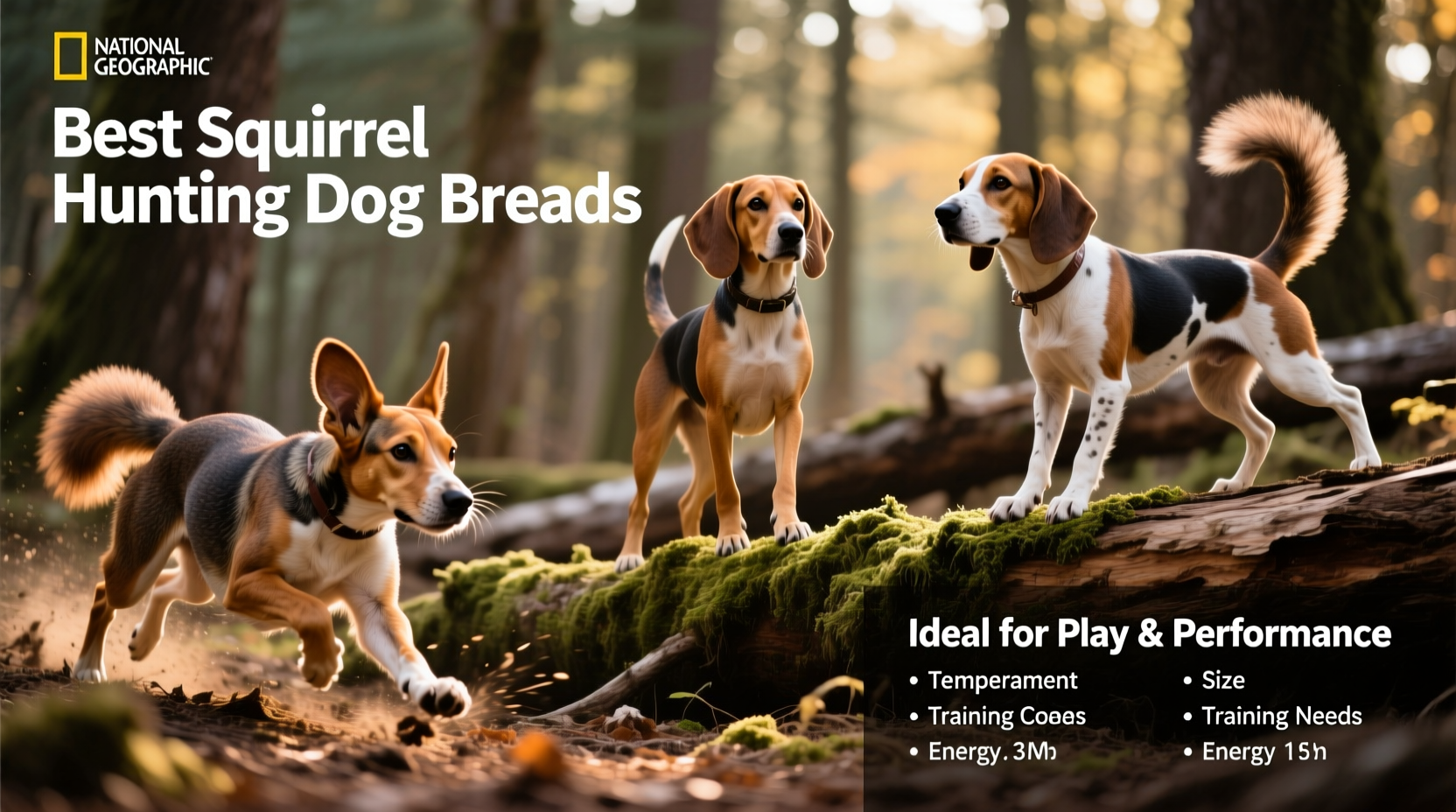
Not every dog is built for squirrel hunting. The ideal candidate combines acute hearing, a strong prey drive, agility, and the intelligence to work independently while remaining responsive to commands. Several breeds have earned reputations for excellence in this niche, each bringing unique advantages.
- Mountain Cur: Known for toughness and versatility, Mountain Curs are fearless climbers and tenacious trackers. They adapt well to rugged terrain and dense forests, making them ideal for southern and Appalachian hunters.
- Treeing Feist: Small but mighty, Treeing Feists are among the most popular squirrel dogs. Their compact size allows quick movement through brush, and their high-pitched bark signals when a squirrel has been treed.
- Black and Tan Coonhound: While often used for raccoons, their keen nose and steady tracking ability translate well to squirrel hunting. They’re larger and more deliberate, ideal for hunters who prefer a methodical pace.
- Plott Hound: Bred specifically for big game, Plotts possess exceptional stamina and courage. Though typically used for boar, many strains excel at treeing squirrels, especially in mountainous regions.
- Catahoula Leopard Dog: Highly intelligent and visually striking, Catahoulas combine herding instincts with hunting prowess. They’re versatile farm dogs that double as excellent squirrel hunters with proper training.
Breed Comparison: Performance and Temperament
Choosing the right breed depends on your environment, hunting style, and lifestyle. The following table compares key traits across top squirrel dog breeds to help you evaluate compatibility.
| Breed | Size | Energy Level | Hunting Style | FAMILY COMPATIBILITY |
|---|---|---|---|---|
| Treeing Feist | Small (15–30 lbs) | Very High | Fast, vocal, agile | Excellent with active families |
| Mountain Cur | Medium (30–55 lbs) | High | Tenacious, bold, independent | Best with experienced owners |
| Black and Tan Coonhound | Large (50–75 lbs) | Moderate-High | Steady, scent-focused | Good; gentle with kids |
| Plott Hound | Large (50–60 lbs) | Very High | Persistent, loud barker | Needs space and activity |
| Catahoula Leopard Dog | Medium-Large (50–90 lbs) | Very High | Intelligent, versatile | Thrives with structure and tasks |
Training Your Squirrel Dog: A Step-by-Step Approach
Even the most instinct-driven dog benefits from structured training. Building a reliable squirrel dog takes time, consistency, and progressive challenges. Follow this timeline to develop a capable and obedient hunter.
- Weeks 1–4: Foundation Skills
Focus on basic obedience—sit, stay, come, heel. Use positive reinforcement. Introduce a drag leash to simulate controlled movement in nature. - Weeks 5–8: Scent Introduction
Use a squirrel hide or pelt tied to a drag line. Let the puppy follow the trail under supervision. Reward interest and tracking behavior. - Months 3–6: Controlled Field Exposure
Take short walks in squirrel-rich areas. Allow the dog to explore scents. Use a long line to prevent wandering. Encourage barking at movement in trees. - Months 6–12: Treeing Drills
Simulate hunts using hidden hides in trees. Reward when the dog stops, looks up, and barks consistently. Gradually increase distance and distractions. - Year One and Beyond: Real Hunts and Refinement
Begin actual squirrel hunts with close supervision. Focus on recall after a tree and minimizing unnecessary chasing.
“Early scent work builds confidence. A dog that understands what it’s hunting will perform better under pressure.” — Jake Rollins, Professional Squirrel Dog Trainer, Ozark Canine Academy
Real-World Example: Training a Young Treeing Feist
Daniel Carter, a hunter from eastern Kentucky, adopted a six-week-old Treeing Feist named Scout. From day one, he incorporated scent games using a de-scented squirrel tail. By three months, Scout was following short trails in the backyard. At five months, Daniel introduced live chases in a contained forest area. He used a GPS collar for safety and reinforced recall with treats and praise. By ten months, Scout successfully treed his first squirrel during a weekend hunt. Now two years old, Scout is Daniel’s primary hunting partner and sleeps by the fireplace each night—a true dual-purpose dog.
Essential Care Tips for Active Hunting Dogs
A squirrel dog lives hard. Long hours in brambles, temperature extremes, and constant physical exertion demand careful maintenance. Neglecting health can shorten a dog’s career and reduce quality of life.
- Check ears weekly for ticks and debris, especially after hunts.
- Trim nails regularly to maintain traction and prevent joint strain.
- Provide high-protein, nutrient-dense food to support energy output.
- Vaccinate against leptospirosis and Lyme disease if hunting in endemic areas.
- Allow adequate rest between hunts—overworking leads to burnout and injury.
Checklist: Preparing Your Dog for Squirrel Season
Ensure your dog is ready for fall hunting with this essential checklist:
- ✅ Veterinary check-up and updated vaccinations
- ✅ Fit and test GPS or radio tracking collar
- ✅ Revisit recall training in distracting environments
- ✅ Practice off-leash control in legal, safe areas
- ✅ Stock up on high-energy dog food and hydration supplies
- ✅ Conduct at least three practice runs in local woods
- ✅ Review local hunting regulations and licensing requirements
Frequently Asked Questions
Can any dog be trained to hunt squirrels?
While many dogs have natural curiosity, only certain breeds possess the instinct, stamina, and focus required for effective squirrel hunting. Terriers and hounds tend to perform best due to their prey drive and scent-tracking abilities.
How much exercise does a squirrel dog need outside of hunting?
Squirrel dogs require at least 60–90 minutes of vigorous daily activity. Without sufficient exercise, they may become destructive or hyperactive at home. Fetch, agility drills, and woodland hikes help meet their needs.
Is it safe to let my dog off-leash during hunts?
Only if the dog has mastered rock-solid recall and wears a reliable GPS collar. Uncontrolled environments pose risks like traffic, predators, or conflicts with other hunters. Always assess terrain and local laws before going off-leash.
Conclusion: Finding Balance Between Hunter and Companion
The best squirrel dog breed isn’t just defined by speed or bark quality—it’s measured by how well it fits into your life. Whether you’re navigating steep ridges in Tennessee or playing fetch in your backyard in Indiana, the ideal dog complements your rhythm. Breeds like the Treeing Feist and Mountain Cur offer unmatched hunting talent, while others like the Black and Tan Coonhound bring gentler dispositions suited for family integration. With proper training, care, and respect for the animal’s nature, your squirrel dog can be both a skilled partner in the field and a cherished member of your household.
💬 Have a squirrel dog story or training tip? Share your experience below and connect with fellow hunters and dog lovers building lasting bonds in the wild and at home.








