Yoga is as much about movement as it is about mindfulness. For men embracing the practice—whether in a heated vinyasa class or a quiet yin session—the right clothing can significantly influence both physical ease and mental focus. Unlike traditional gym wear, men’s yoga apparel must balance stretch, breathability, and durability while supporting unrestricted motion through poses that demand deep bending, twisting, and balancing.
Yet, with countless brands offering “performance” fabrics and “athleisure” designs, choosing the right gear isn’t always straightforward. Many men end up with clothes that bunch during downward dog, cling uncomfortably when sweating, or lose shape after a few washes. The solution lies not in following trends, but in understanding the functional needs of yoga and how specific materials and cuts meet them.
Why Yoga Clothing Matters More Than You Think
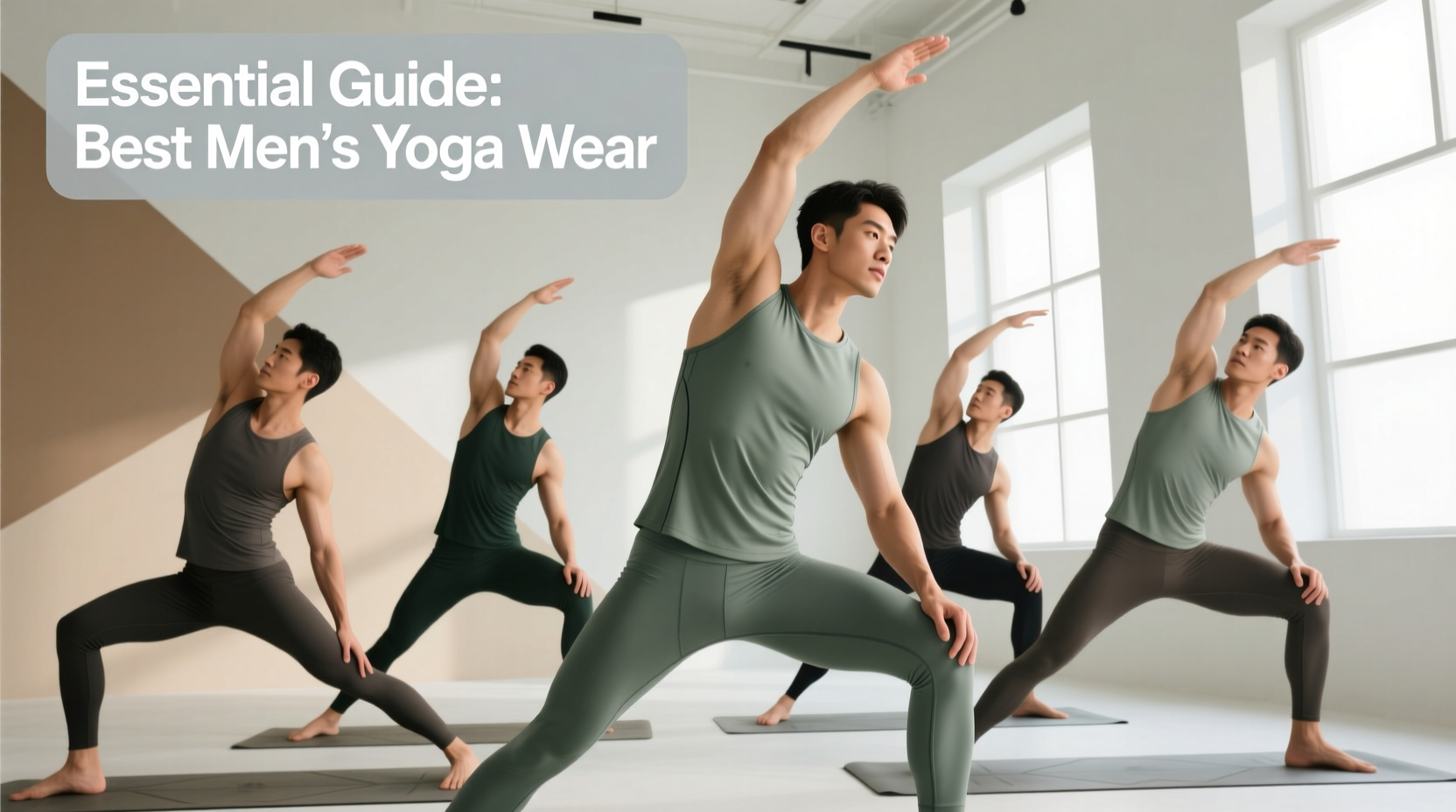
Clothing may seem secondary to breath and alignment, but fabric and fit directly affect your ability to move freely. Tight waistbands can restrict diaphragmatic breathing. Seams in high-friction areas cause chafing during lunges. Heavy, non-breathable materials trap heat, increasing discomfort in hot yoga environments.
According to Dr. Lena Torres, a sports physiologist and certified yoga instructor, “The brain receives constant sensory feedback from the body. If your clothes are pulling, riding up, or restricting movement, that becomes a distraction—breaking your concentration and reducing the effectiveness of your practice.”
“Clothing should disappear during practice. When you don’t notice what you’re wearing, you’re more present in your body.” — Dr. Lena Torres, Sports Physiologist & Yoga Instructor
The goal is not fashion, but function: garments that move with you, wick moisture efficiently, and maintain integrity over time. This begins with selecting the right fabric composition and construction.
Fabrics That Perform: What to Look For
The foundation of any effective yoga outfit is its material. Not all performance fabrics are created equal, and some marketed for general workouts fall short under the unique demands of yoga.
Tip: Always check the fabric blend on the label. Aim for at least 85% natural or engineered performance fibers like organic cotton, merino wool, TENCEL™, or recycled polyester with spandex.Four top-performing fabric types for men’s yoga:
- Organic Cotton Blends (with 5–15% elastane): Soft, breathable, and eco-friendly. Ideal for gentle or restorative practices. Avoid 100% cotton—it absorbs sweat and takes longer to dry.
- TENCEL™ (Lyocell): Made from sustainably sourced wood pulp, this fiber offers excellent moisture management, natural antibacterial properties, and a silky feel against the skin.
- Recycled Polyester-Spandex Mix (88/12 or 90/10): Durable, quick-drying, and highly elastic. Best for dynamic styles like power yoga or Ashtanga.
- Merino Wool (for cooler environments): Naturally temperature-regulating and odor-resistant. Lightweight merino blends work well in studio settings with fluctuating temperatures.
Avoid garments made primarily from rayon or conventional nylon—they tend to pill, degrade faster, and offer poor moisture control.
Fit and Design: Function Over Form
Yoga requires multidirectional movement. A squat, forward fold, or backbend engages muscles and joints in ways running or weightlifting do not. Therefore, clothing must accommodate full range of motion without compromising support.
Key design elements to prioritize:
- 4-way stretch: Fabric should expand horizontally and vertically to allow seamless transitions between poses.
- Flatlock seams: Reduce friction and prevent chafing, especially around inner thighs and shoulders.
- Mid-rise, gusseted crotch: Prevents restriction and enhances mobility in deep hip openers.
- Waistband with internal drawcord: Ensures secure fit without digging into the abdomen during inversions.
For tops, consider tailored-but-not-tight silhouettes. Oversized shirts ride up; too-tight ones limit shoulder rotation. Raglan sleeves improve arm mobility. For bottoms, cropped pants (7”–9” inseam) are increasingly popular for their versatility and ventilation, though full-length leggings remain ideal for colder studios or modesty preferences.
Comparison: Yoga Pants vs. Shorts – Which Is Right for You?
| Feature | Yoga Pants (Full-Length) | Yoga Shorts (5”–7”) |
|---|---|---|
| Mobility | Excellent (full muscle compression and warmth) | Very Good (less fabric drag) |
| Breathability | Good (depends on fabric weight) | Excellent (more airflow) |
| Skin Protection | High (protects legs during floor poses) | Low (exposes skin to mat contact) |
| Versatility | Moderate (best indoors) | High (wearable outside studio) |
| Best For | Restorative, Yin, cold studios | Vinyasa, Hot Yoga, outdoor sessions |
Real-World Example: How Mark Upgraded His Practice
Mark, a 38-year-old software engineer in Portland, struggled with discomfort during his weekly yoga classes. He wore standard running shorts and cotton tees, which shifted constantly and clung when he sweated. After two months, he developed irritation along his inner thighs and avoided certain poses due to fear of exposure.
On his instructor’s recommendation, he switched to a pair of TENCEL-blend yoga pants with a gusseted crotch and a lightweight, moisture-wicking tank. Within one session, he noticed less adjustment mid-pose and greater confidence in inversions. “I wasn’t thinking about my clothes anymore,” he said. “I could just focus on my breathing and alignment.”
After six weeks, Mark increased his practice from once to three times per week—not because of motivation alone, but because the experience had become physically enjoyable.
Your Action Plan: Building a Functional Yoga Wardrobe
Start smart. You don’t need ten outfits. Focus on quality basics that serve multiple purposes and withstand regular washing.
📋 **Men’s Yoga Clothing Checklist**- Choose one pair of full-length yoga pants made from 88% recycled polyester / 12% spandex
- Add a moisture-wicking performance tee or tank with 4-way stretch
- Include one pair of mid-length (7”) yoga shorts for warmer sessions
- Ensure all waistbands have flat seams and an internal drawstring
- Prioritize neutral colors or subtle patterns for easy mix-and-match
- Wash all items in cold water and air dry to preserve elasticity
Step-by-Step: How to Test Yoga Clothes Before Buying
- Check the tag: Verify fabric blend includes performance fibers and at least 10% elastane.
- Stretch the fabric: Pull the material diagonally—if it doesn’t snap back smoothly, it lacks resilience.
- Simulate key poses: In the fitting room, try a forward fold, lunge, and twist. Watch for waistband slippage or thigh binding.
- Assess seam placement: Run fingers along inner leg and shoulder seams. Raised stitching increases chafe risk.
- Wear without underwear (if applicable): Some yoga pants are designed for liner-free wear. Test opacity by bending in front of a mirror.
Frequently Asked Questions
Can I wear regular gym clothes to yoga?
You can, but they’re often suboptimal. Running shorts may lack stretch for deep bends. Cotton t-shirts absorb sweat and become heavy. Purpose-built yoga apparel uses technical fabrics designed for sustained flexibility and moisture transfer, enhancing both comfort and performance.
Do I need special underwear under yoga pants?
It depends on the garment. Many men’s yoga pants include a built-in liner similar to running briefs, eliminating the need for extra layers. If yours don’t, opt for moisture-wicking boxer briefs without thick seams. Avoid cotton—it traps moisture and increases friction.
How many yoga outfits do I really need?
Start with two: one full-length set and one short-sleeve/shorts combo. Rotate them to allow fabrics to recover between wears. With proper care, high-quality pieces last 2–3 years even with weekly use.
Final Thoughts: Move Freely, Breathe Fully
The right clothing removes friction—both literal and mental—from your yoga journey. It supports your body without commanding your attention. When your waistband stays put, your fabric moves with you, and your skin stays dry, you create space to go deeper into each pose and each breath.
Investing in purpose-built men’s yoga clothing isn’t about vanity. It’s about respect—for your practice, your body, and the discipline of showing up consistently. Whether you're unrolling your mat for the first time or returning after years away, start with what you wear. Let your clothes be an invisible ally, not a distraction.
🚀 Ready to transform your practice? Audit your current workout wardrobe, identify one piece holding you back, and replace it with a high-performance option. Small changes lead to smoother flows.








