
When venturing into the wild—whether hiking rugged trails, biking through mountain passes, or navigating urban terrain with an explorer’s mindset—the right gear makes all the difference. Among the most practical pieces of outdoor equipment is the chest bag, a compact yet functional solution that keeps essentials close, balanced, and accessible. But not all chest bags are built to endure the elements and the demands of active use. Choosing one that truly lasts requires understanding which features contribute to durability, comfort, and real-world utility.
Material Quality: The Foundation of Durability
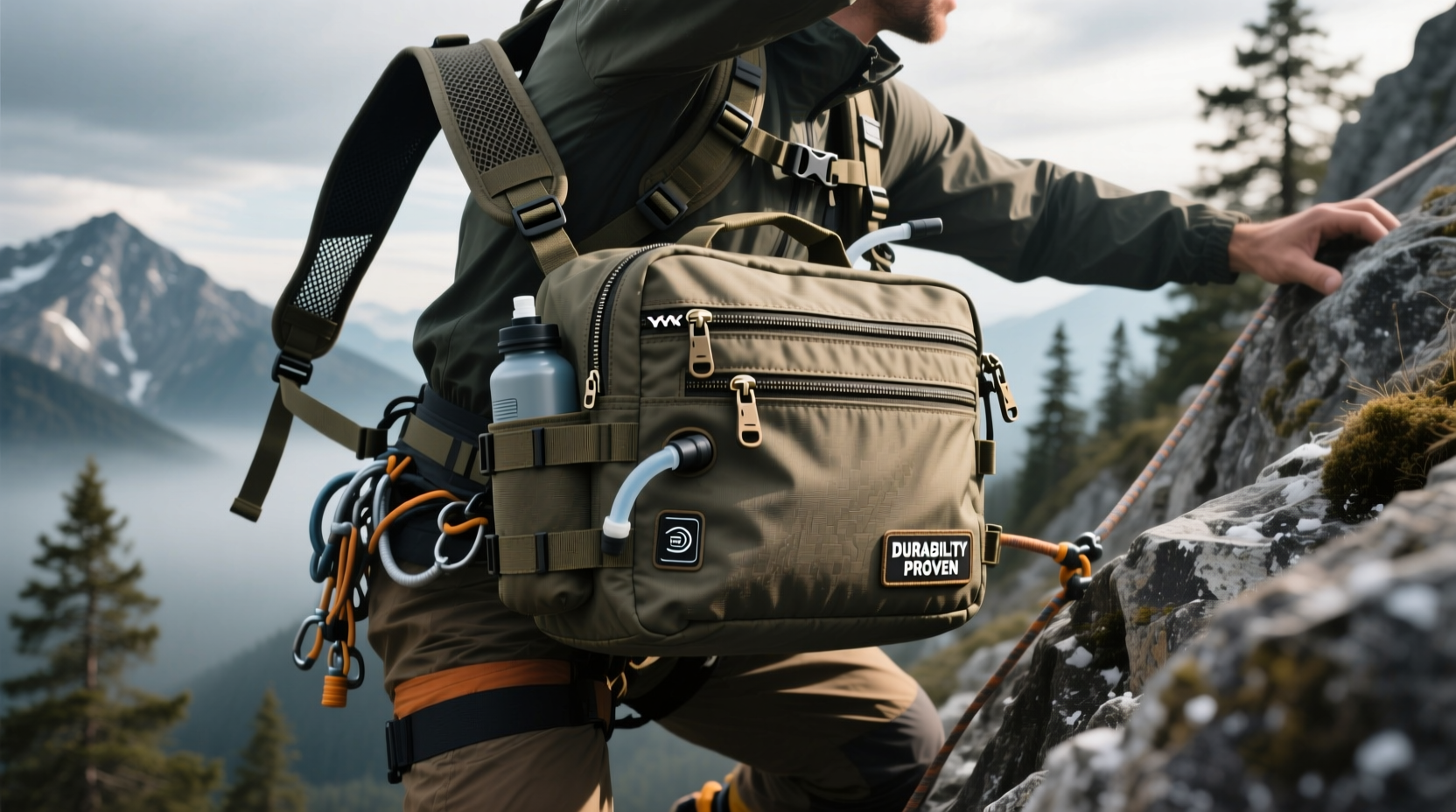
The material of a chest bag determines how well it withstands abrasion, moisture, UV exposure, and daily wear. Not all fabrics perform equally under stress, especially when exposed to rain, dirt, or rough surfaces.
Top-tier chest bags typically use high-denier nylon or polyester, such as 600D to 1000D fabrics, known for their resistance to tearing and scuffing. Cordura® nylon, in particular, is a benchmark in rugged outdoor gear due to its exceptional strength-to-weight ratio and long-term resilience. Look for ripstop weaves, which prevent small tears from spreading across the fabric.
Tip: Avoid bags made from thin canvas or low-denier synthetics if you plan on using them frequently in demanding conditions.Water resistance is another critical factor. While fully waterproof materials like TPU-laminated fabrics offer superior protection, many durable bags use DWR (durable water repellent) coatings on tightly woven exteriors. These shed light rain but may require additional dry bags for electronics during prolonged downpours.
Construction and Stitching: Where Strength Meets Design
A strong fabric means little if the seams aren’t reinforced. High-quality chest bags feature double- or triple-stitched seams at stress points like shoulder straps, closures, and attachment loops. Bar-tacking—reinforced stitching in an “X” or square pattern—is commonly used in load-bearing areas to prevent seam failure.
Zippers should be robust and weather-resistant. YKK zippers are widely regarded as the gold standard in outdoor gear for their reliability and smooth operation, even after years of use. Water-resistant coil zippers or covered zipper tracks help keep moisture out without sacrificing accessibility.
Pay attention to edge finishing. Raw-cut edges fray over time; bound or heat-sealed edges last significantly longer. Reinforced corners and padded base panels also add structural integrity, protecting contents and preventing premature wear.
“Durability isn’t just about thick fabric—it’s about intelligent construction. A well-built bag distributes stress evenly and fails gracefully, not catastrophically.” — Marcus Tran, Outdoor Gear Engineer
Ergonomic Design for All-Day Comfort
No matter how tough a chest bag is, it won’t serve you well if it’s uncomfortable. Since chest bags sit across your torso, fit and weight distribution are crucial—especially during extended use.
Adjustable straps allow customization for different body types and layering conditions. Look for wide, padded shoulder straps with breathable mesh backing to reduce pressure and prevent sweat buildup. An adjustable sternum strap stabilizes the bag, minimizing bounce during movement.
The ideal chest bag contours to your body without riding up or sagging. Some models include a lower stabilizing strap that wraps around the ribcage or waist, adding extra security during dynamic activities like trail running or cycling.
Weight matters too. A loaded bag should feel balanced, with the center of gravity close to your chest. Overly large or front-heavy designs can strain your shoulders and alter posture over time.
Checklist: What to Evaluate Before Buying
- Is the fabric 600D or higher denier?
- Are the seams double-stitched or bar-tacked?
- Does it use YKK or equivalent quality zippers?
- Are the straps padded and adjustable?
- Is there a secondary stabilizing strap?
- Can it accommodate your essentials without overstuffing?
- Does it have internal organization (e.g., zip pockets, sleeve for phone)?
Functional Features That Enhance Utility
Durability goes beyond toughness—it includes functionality that adapts to real-world scenarios. The best chest bags combine ruggedness with thoughtful design.
Multiple compartments improve organization and access. A dedicated padded pocket for phones or GPS devices protects against impacts. External loops or MOLLE webbing let you attach tools, carabiners, or hydration tubes. Reflective accents enhance visibility in low-light conditions, a subtle but vital safety feature.
Quick-access top or side zippers allow retrieval of frequently used items without removing the bag. Some premium models include RFID-blocking pockets for travel security or hidden anti-theft compartments.
Consider versatility. Can the bag convert into a sling or be clipped onto a larger pack? Modular designs offer flexibility across different trip types and activity levels.
| Feature | Why It Matters | Recommended Standard |
|---|---|---|
| Fabric Denier | Higher denier = greater tear resistance | 600D–1000D nylon or polyester |
| Seam Construction | Prevents unraveling under stress | Double-stitched, bar-tacked at joints |
| Zipper Quality | Ensures reliable opening/closing over time | YKK AquaGuard or equivalent |
| Strap Padding | Reduces fatigue during extended wear | Mesh-backed, 8–12mm foam padding |
| Weather Resistance | Protects contents from rain and splashes | DWR coating + covered zippers |
Real-World Test: A Weekend Hike in the Pacific Northwest
During a two-day backpacking trip along the Cascade foothills, Sarah, an experienced hiker, relied solely on her chest bag for navigation tools, snacks, first-aid supplies, and her camera. The trail included steep ascents, river crossings, and sudden rain showers.
Her bag, constructed from 1000D recycled nylon with welded seams and a roll-top closure, kept her phone and spare batteries completely dry—even after she briefly waded through a flooded section of trail. The wide shoulder straps prevented chafing despite eight hours of continuous wear, and the external whistle clip proved useful when signaling her partner in dense fog.
What stood out was not just the bag’s toughness, but how intuitive the layout was. She accessed her map multiple times without stopping, thanks to a magnetic quick-pull tab on the main compartment. After the trip, the bag showed only minor scuff marks—no fraying, broken hardware, or loose threads.
This experience underscores that durability is not just survival—it’s sustained performance under pressure.
Step-by-Step: How to Evaluate Chest Bag Durability
- Inspect the Fabric: Run your fingers over the surface. It should feel dense and slightly stiff—not flimsy or overly shiny.
- Test the Zippers: Open and close each zipper several times. They should glide smoothly and lock securely.
- Check Seam Quality: Turn the bag inside out if possible. Look for tight, consistent stitching with no skipped stitches or loose ends.
- Assess Strap Attachment: Pull firmly on the straps. They should be anchored directly to the main frame or with reinforced webbing.
- Simulate Load: Fill the bag with books or water bottles to mimic real weight. Wear it for 15–20 minutes to evaluate comfort and stability.
- Review Warranty: Reputable brands often back their products with lifetime repairs or satisfaction guarantees—a sign of confidence in durability.
Frequently Asked Questions
Can a chest bag replace a full backpack for day hikes?
For short, well-planned day hikes with minimal gear, yes. A durable chest bag can carry essentials like water, snacks, a light jacket, navigation tools, and a first-aid kit. However, for longer trips or heavy loads, it should complement—not replace—a proper backpack.
How do I clean and maintain a durable chest bag?
Spot clean with mild soap and a soft brush. Avoid machine washing unless specified by the manufacturer. Let it air dry away from direct sunlight to preserve fabric coatings. Periodically reapply DWR spray if water no longer beads on the surface.
Are tactical-style chest rigs suitable for casual outdoor use?
Many are, especially those designed with civilian ergonomics in mind. While military-inspired rigs offer extreme durability and modularity, some prioritize function over comfort. Choose one with padded contact points and streamlined storage if using for hiking, biking, or travel.
Final Thoughts
Choosing a durable chest bag isn’t about picking the bulkiest or most expensive option—it’s about identifying the features that align with your adventure style and environmental demands. From rugged materials and reinforced construction to ergonomic fit and smart organization, each element contributes to a bag that performs reliably, year after year.
Investing in quality pays off not only in longevity but in peace of mind. When you’re miles from the trailhead or navigating an unfamiliar city, knowing your gear won’t fail lets you focus on the journey, not the load.
🚀 Ready to upgrade your outdoor setup? Reassess your current chest bag using the checklist and table above. Share your go-to model or ask questions in the comments—let’s build a smarter gear community together.








