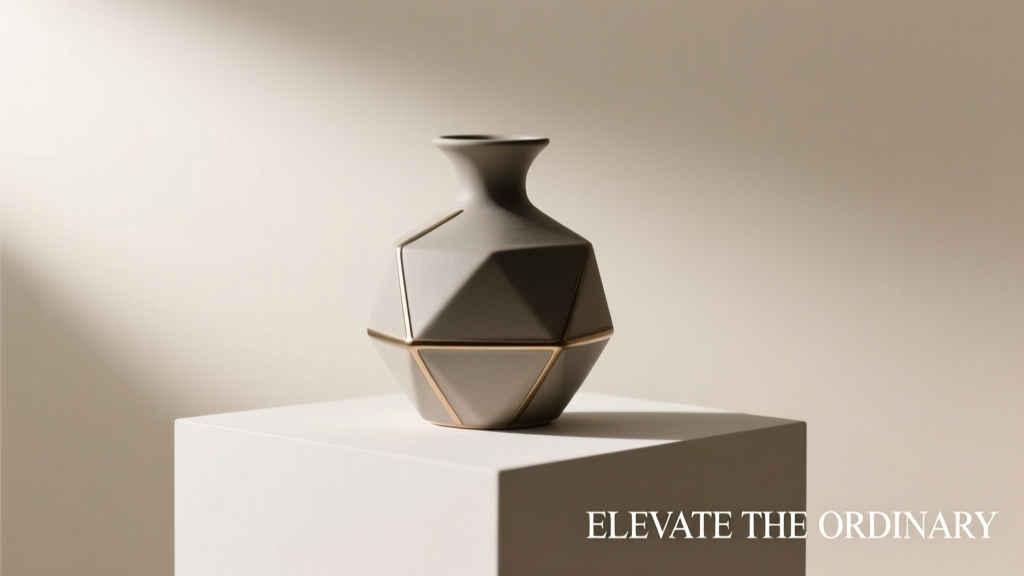
Types of Eolo Props
Eolo props are essential elements in film, theater, and multimedia productions, designed to enhance storytelling, support character development, and create immersive environments. These props come in various types—each serving a distinct purpose on set. Understanding their classifications helps directors, prop masters, and production designers make informed decisions that align with narrative goals, safety standards, and visual authenticity.
Traditional Eolo Props
These are non-functional, visually representative items used to establish setting, character background, or emotional tone. Though they may appear ordinary—like a weathered wooden chair or a vintage lamp—they often carry symbolic meaning or reflect a character’s history and personality.
Advantages
- Enhances narrative depth and character insight
- Contributes to authentic set design and atmosphere
- Supports visual storytelling without mechanical complexity
- Cost-effective for background or static scenes
Limits
- No interactive functionality
- May require detailed aging or distressing
- Limited reuse across diverse productions
Best for: Period dramas, character-driven scenes, establishing shots, and ambient set dressing
Functional Props
Designed for active use by actors, functional Eolo props include everyday items such as books, phones, cutlery, or coffee cups. Their realistic appearance and usability help maintain continuity and believability during scenes.
Advantages
- Enables natural actor interaction
- Improves scene realism and immersion
- Supports continuity across multiple takes
- Often reusable across different productions
Limits
- Requires durability for repeated handling
- May need duplicates for continuity
- Must be carefully tracked during filming
Best for: Dialogue-heavy scenes, kitchen or office settings, and everyday life simulations
Special Effects Props
Engineered to produce visual or mechanical effects safely on set, these props include breakaway items, pyrotechnic devices, retractable weapons, or disappearing objects. They are crafted using safe materials and mechanisms to simulate danger without risk to cast and crew.
Advantages
- Creates dramatic visual impact safely
- Reduces reliance on post-production effects
- Enables real-time reactions from actors
- Highly customizable for specific scenes
Limits
- Requires specialized design and safety testing
- Higher cost and longer fabrication time
- Often single-use or limited reuse
Best for: Action sequences, stunts, magical effects, and high-impact cinematic moments
Mechanical Eolo Props
These are complex, interactive devices such as robotic arms, control panels, futuristic gadgets, or animatronic instruments. They often integrate with set systems or respond to user input, adding a layer of realism to technology-driven narratives.
Advantages
- Provides tactile feedback and real interaction
- Enhances believability in sci-fi or tech-heavy scenes
- Can be programmed for consistent operation
- Supports dynamic camera angles and close-ups
Limits
- High development and maintenance cost
- Requires technical operators on set
- Potential for mechanical failure during filming
Best for: Sci-fi films, futuristic sets, interactive installations, and high-tech environments
| Type | Functionality | Realism Level | Safety Considerations | Ideal Use Case |
|---|---|---|---|---|
| Traditional Eolo Props | Decorative / Symbolic | High (visual) | Low risk | Set dressing, character backstory |
| Functional Props | Interactive / Usable | Very High | Low to moderate | Daily life scenes, dialogue sequences |
| Special Effects Props | Dynamic / Reactive | High (visual impact) | High (requires safety protocols) | Action scenes, illusions, stunts |
| Mechanical Eolo Props | Operational / Programmable | Extremely High | Moderate to high | Sci-fi, tech interfaces, robotics |
Production Tip: When using mechanical or special effects props, conduct thorough rehearsals and safety checks. Always have backup props or digital alternatives ready in case of technical failure during filming.
Design of Eolo Props: Crafting Cinematic Authenticity
The design process for Eolo props is a meticulous and collaborative art form that bridges storytelling and craftsmanship. Working hand-in-hand with directors, production designers, and art directors, Eolo’s prop designers ensure that every object not only serves its functional purpose but also enhances the narrative, tone, and visual language of the production. Each prop is thoughtfully conceived to reflect character traits, historical context, emotional subtext, and environmental authenticity.
Below are the core design principles that guide the creation of Eolo props, ensuring they are both visually compelling and narratively significant.
Material Selection
The choice of materials is one of the most impactful decisions in prop design. Whether crafted from wood, metal, plastic, paper, or composite materials, each substance conveys a distinct message about the object’s role and the world it inhabits. For example, polished brass and fine leather may symbolize wealth, sophistication, or authority, while weathered cardboard or cracked plastic can evoke poverty, decay, or impermanence.
Eolo designers carefully consider how materials age on camera—how light reflects off a metallic surface, how fabric frays over time, or how paint peels under stress. These details contribute to the believability of the scene and help ground fictional narratives in tangible reality. Additionally, material selection must balance aesthetic goals with practical concerns such as weight, durability, and safety during filming.
Color and Texture
Color and texture are silent storytellers. A prop’s hue can indicate its age (faded tones for vintage items), emotional significance (a bright red diary symbolizing passion or danger), or cultural context (traditional color palettes in period pieces). Subtle shifts in saturation or undertones can influence audience perception without drawing overt attention.
Texture adds a tactile dimension that enhances both visual depth and actor immersion. The roughness of burlap, the smoothness of glass, or the grit of rusted iron can trigger subconscious associations and emotional responses. On set, realistic textures allow actors to interact naturally with props, fostering authentic performances. In post-production, well-textured props respond more convincingly to lighting and visual effects.
Proportions and Scale
Accurate proportions and scale are essential for maintaining visual coherence within a scene. A prop that is slightly too large or too small can disrupt the illusion of reality, pulling viewers out of the story. Eolo designers meticulously measure and test each prop in relation to human anatomy, set dimensions, and camera angles.
For instance, a child’s schoolbag must appear appropriately sized when worn by a young actor, while a fantasy weapon may be exaggerated in scale to emphasize power or menace—but still balanced for practical handling. In forced-perspective shots or miniature environments, precise scaling ensures seamless integration with live-action footage.
Functionality and Safety
While aesthetics are vital, functionality is equally critical. Every Eolo prop must perform reliably under the demands of filming—whether it's a working typewriter, a breakaway bottle, or a wearable accessory that withstands repeated use. Designers simulate real-world interactions to ensure ease of manipulation by actors and crew.
Safety is paramount. All fasteners, edges, and moving parts are evaluated to prevent injury. Breakaway props use lightweight, non-toxic materials that mimic glass or wood but shatter safely. Electronic components are insulated and tested for on-set use. This dual focus on usability and safety ensures smooth production without compromising creative vision.
| Design Element | Narrative Impact | Practical Considerations |
|---|---|---|
| Material Selection | Conveys social status, era, and emotional tone | Durability, weight, cost, and camera response |
| Color & Texture | Enhances mood, symbolism, and realism | Lighting compatibility, aging effects, tactile feedback |
| Proportions & Scale | Maintains visual believability and spatial logic | Actor comfort, camera framing, set integration |
| Functionality | Supports performance and plot continuity | Usability, safety, repeatability, maintenance |
Design Philosophy: Where Art Meets Purpose
Important: A prop is never just an object—it is a narrative device. At Eolo, every design decision, from the grain of the wood to the patina on a doorknob, is made with intention. Skipping detail or prioritizing cost over authenticity risks undermining the entire production’s credibility. Thoughtful prop design doesn’t distract; it deepens immersion and elevates storytelling.
Scenarios of Eolo Props: Enhancing Realism Across Industries
Eolo props are expertly crafted to meet the diverse demands of creative and commercial industries, from high-budget Hollywood productions to intimate theater performances and global marketing campaigns. These meticulously designed props bridge the gap between imagination and reality, offering authenticity, durability, and visual impact. Whether used for cinematic storytelling, stage immersion, or brand engagement, Eolo props elevate the viewer’s experience by grounding narratives in tangible, believable detail.
Film and Television Production
In film and television, props are essential tools for achieving realism and narrative depth. Eolo props are engineered to withstand repeated use under demanding conditions while maintaining aesthetic precision. They serve both decorative and functional roles—ranging from background elements like vintage photo frames and floral arrangements to interactive items such as firearms, vehicles, communication devices, and consumable goods.
- Functional props like food and drink replicas are designed with realistic textures and portioning to support authentic eating and drinking scenes
- Durable construction ensures props survive multiple takes, stunts, and special effects without degradation
- Customizable designs allow for period-accurate or futuristic elements tailored to specific scripts and settings
- Materials are selected to mimic real-world weight and handling, enhancing actor immersion and on-screen believability
Key insight: High-fidelity props reduce post-production editing needs by delivering accurate visuals straight from the shoot.
Theater Productions
On stage, where every object contributes to world-building, Eolo props play a pivotal role in supporting performance and atmosphere. Unlike film, theater requires props to be visible and impactful from a distance, often under bright lighting and from various audience angles. Eolo’s stage props are designed for durability, consistency, and expressive clarity.
- Props are built to endure nightly performances without wear or failure
- Balanced weight and ergonomics help actors handle items naturally during live scenes
- Period-specific designs enhance historical or cultural authenticity in plays
- Interactive props (e.g., letters, weapons, furniture) are crafted to support choreographed movements and dramatic timing
Pro tip: Eolo collaborates with directors and set designers to ensure seamless integration with staging, lighting, and costume design.
Advertising and Marketing
In advertising, visual storytelling is paramount. Eolo props are widely used in photo shoots, commercials, and digital content to create compelling, memorable brand experiences. These props help communicate product value, lifestyle appeal, and emotional resonance, making them indispensable in campaigns across fashion, food, technology, and luxury sectors.
- Lifestyle props—such as stylish accessories, home decor, or gourmet food displays—enhance aspirational messaging
- Custom-branded props integrate seamlessly into product showcases, reinforcing brand identity
- Hyper-realistic food and beverage replicas maintain perfect appearance under hot lights and long shooting schedules
- Durable yet lightweight materials allow for easy transport and setup across multiple locations
Marketing advantage: Well-designed props increase ad recall by up to 40%, according to industry studies on visual engagement.
Event Productions
From themed parties and corporate expos to museum exhibitions and historical reenactments, Eolo props transform spaces into immersive environments. These props are central to creating a cohesive theme, engaging attendees, and delivering a memorable experience that aligns with event goals.
- Themed props (e.g., vintage signage, fantasy artifacts, futuristic displays) set the tone and guide guest expectations
- Interactive installations encourage visitor participation and social sharing
- Modular designs allow for quick assembly and adaptation to different venue sizes
- Weather-resistant materials make Eolo props suitable for both indoor and outdoor events
Engagement boost: Events using high-quality, thematic props report up to 60% higher attendee interaction and satisfaction.
Professional Insight: When selecting Eolo props for any application, consider not only visual accuracy but also functionality, safety, and longevity. For film and theater, prioritize materials that perform under stress; for marketing and events, focus on visual impact and brand alignment. Eolo’s consultative approach ensures each prop is tailored to its intended use, maximizing effectiveness and return on investment.
| Industry | Primary Use of Eolo Props | Key Requirements | Common Applications |
|---|---|---|---|
| Film & TV | Realism and narrative support | Durability, functionality, visual fidelity | Action scenes, period dramas, product placement |
| Theater | Character and setting enhancement | Visibility, consistency, ease of handling | Plays, musicals, live performances |
| Advertising | Brand storytelling and appeal | Aesthetic precision, photo-readiness | Commercials, print ads, social media content |
| Events | Atmosphere creation and engagement | Thematic accuracy, interactivity, portability | Exhibitions, product launches, themed parties |
Additional Considerations for Optimal Use
- Customization: Eolo offers bespoke design services to match unique creative visions, including licensed replicas and original creations
- Safety Compliance: All props meet industry safety standards, especially important for interactive or functional items used around performers or guests
- Sustainability: Eco-friendly materials and reusable designs support environmentally responsible production practices
- Logistics Support: Global shipping, rental options, and on-site setup assistance available for large-scale projects
- Collaborative Design: Eolo works closely with production teams to ensure props align with directorial intent and technical requirements
Specification & Maintenance of Eolo Props
Proper specification, maintenance, and care are essential to ensure Eolo props remain fully functional, visually consistent, and safe throughout film and television production. Given their frequent use on set, props must be rigorously managed to maintain continuity, hygiene, and structural integrity. This guide outlines best practices for durability testing, repair protocols, storage, and cleanliness to help production teams extend the lifespan of valuable props and ensure seamless filming operations.
Safety & Continuity Warning: Always verify the structural integrity and safety compliance of props before each use. Failure to maintain or inspect props can result in on-set injuries, continuity errors, or costly production delays.
1. Durability Testing: Ensuring On-Set Safety and Performance
Durability testing is a critical phase in prop management, especially in high-intensity scenes involving physical interaction, stunts, or special effects. These tests ensure that Eolo props can withstand repeated use without compromising actor safety or scene authenticity.
- Functional Stress Testing: Simulate real-world usage such as drops, impacts, or handling to assess structural resilience. For example, a prop knife must appear realistic but be made from safe, flexible materials that won’t cause injury during choreographed fight scenes.
- Special Effects Integration: When props are involved in pyrotechnics or mechanical triggers (e.g., exploding devices in war scenes), they must undergo controlled testing to ensure reliability and safety. These props are often built with breakaway materials or remote activation mechanisms.
- Wear Simulation: Test props under repeated use to identify weak points. For instance, smearing hand cream on a prop lipstick before a kissing scene ensures realistic transfer without damaging the prop or affecting continuity.
- Material Certification: All materials used in prop construction should meet industry safety standards. Documentation of material safety data sheets (MSDS) is recommended for hazardous or specialized components.
Expert Tip: Collaborate with stunt coordinators and special effects teams early in pre-production to anticipate stress points and design props with built-in safety margins.
2. Regular Repair and Replacement: Maintaining Visual Continuity
No prop is immune to wear and tear. During filming, props are subjected to constant handling, environmental exposure, and physical stress, making a structured repair and replacement system essential for maintaining visual consistency across shots and scenes.
- Damage Assessment Protocol: After each use, inspect props for cracks, paint wear, loose components, or deformation. Use a standardized checklist to document condition and required actions.
- On-Set Repair Kits: Maintain a mobile repair station with adhesives, touch-up paints, replacement parts, and sculpting tools to perform quick fixes between takes.
- Replication Standards: When a prop is beyond repair, create an exact replica using molds, 3D scans, or detailed reference photos to ensure continuity. Label duplicates with scene numbers and usage logs.
- Version Control: Track all iterations of a prop (original, repaired, replacement) to avoid confusion during editing. Digital asset management systems can help organize prop records.
3. Safe Storage: Preserving Prop Longevity and Accessibility
Improper storage can lead to damage, loss, or deterioration of props, especially delicate or historically significant items. A well-organized storage system protects props and ensures they are ready for immediate use when needed.
- Climate-Controlled Environment: Store props in areas with stable temperature and humidity levels to prevent warping, mold, or material degradation. Ideal conditions are typically 18–22°C (64–72°F) and 40–50% relative humidity.
- Custom Enclosures: Use padded cases, foam inserts, or protective shrouds—often referred to as "storage tombs"—for fragile or high-value props. These enclosures prevent dust accumulation and physical impact.
- Inventory Cataloging: Maintain a digital database with photos, descriptions, storage locations, and usage history. Barcode or RFID tagging can streamline tracking across multiple storage units.
- Rotation and Inspection: Periodically rotate stored props to prevent static stress and inspect them for signs of deterioration. This is especially important for organic materials like wood, leather, or textiles.
Production Hack: Assign a dedicated prop master or assistant to oversee storage and maintenance, ensuring accountability and reducing the risk of misplacement.
4. Hygiene and Cleanliness: Protecting Cast and Crew
Props that come into direct contact with actors—such as clothing, weapons, food items, or personal accessories—must be cleaned regularly to prevent the spread of germs and maintain professional standards on set.
- Post-Use Sanitization: Clean all handheld or wearable props after each use. Use disinfectant wipes, UV sterilization, or gentle hand-washing depending on material sensitivity.
- Non-Toxic Cleaning Agents: Select cleaning solutions that are safe for both materials and human contact. Avoid harsh chemicals that could discolor or degrade prop finishes.
- Personal Item Protocols: For props used in intimate scenes (e.g., lipsticks, glasses, phones), consider using disposable barriers or single-use duplicates to minimize cross-contamination.
- Hygiene Logs: Record cleaning dates and methods, especially for high-contact props. This documentation supports health and safety compliance, particularly during long shoots or pandemic protocols.
| Maintenance Area | Key Actions | Recommended Tools & Materials | Frequency |
|---|---|---|---|
| Durability Testing | Stress testing, safety checks, material verification | Impact testers, MSDS, simulation dummies | Before first use & after major modifications |
| Repair & Replacement | Damage assessment, touch-ups, replication | Adhesives, paints, 3D printer, molds | After each use or scene |
| Safe Storage | Packaging, cataloging, climate control | Storage tombs, dehumidifiers, inventory software | Ongoing, with weekly audits |
| Hygiene & Cleanliness | Sanitization, disinfection, barrier use | Disinfectant wipes, UV sterilizer, gloves | After every use |
Best Practices Summary
- Integrate prop maintenance into the daily call sheet and assign responsibility to the props department.
- Conduct a pre-shoot prop readiness review to verify condition, availability, and safety compliance.
- Train all crew members on proper handling and reporting procedures for damaged props.
- Use digital photography or 3D scanning to create accurate backups for irreplaceable items.
- Review and update maintenance protocols between productions to incorporate lessons learned.
By adhering to these specification and maintenance guidelines, production teams can ensure that Eolo props remain reliable, safe, and visually consistent throughout filming. A proactive approach not only protects valuable assets but also supports smooth production workflows and enhances overall production quality.
Frequently Asked Questions About Eolo Props
Q1: What are Eolo props?A1: Eolo props are specialized items and equipment used in film, theatre, television, and other visual storytelling mediums to enrich narrative depth and create immersive environments. Unlike generic props, Eolo props are crafted with intentionality—designed not just for visual accuracy but to reflect character identity, historical context, and emotional tone. These can include personal artifacts like vintage journals or heirloom jewelry, functional set pieces such as custom furniture, or symbolic objects that carry thematic weight throughout a production.
Used by prop masters and designers, Eolo props often undergo meticulous research and development to ensure authenticity and alignment with the director’s vision. Their role extends beyond decoration—they help actors embody their roles and guide audience immersion by grounding fictional worlds in tangible realism.
Q2: How are Eolo props different from regular props?A2: While all props serve to support storytelling, Eolo props distinguish themselves through their emphasis on artistic expression, cultural relevance, and psychological impact. Here's a breakdown of key differences:
| Aspect | Regular Props | Eolo Props |
|---|---|---|
| Purpose | Functional or decorative use within a scene (e.g., a coffee cup). | Narrative-driven; often symbolize character traits or plot developments (e.g., a weathered locket with hidden meaning). |
| Design Approach | Practical and cost-effective; may be mass-produced or borrowed. | Custom-crafted with attention to detail, texture, aging, and backstory. |
| Emotional Impact | Limited; serves as background element. | High; designed to evoke emotion or foreshadow events. |
| Usage Context | Common in all productions, especially low-budget or fast-paced shoots. | Preferred in high-end film, theatre, art installations, and immersive experiences. |
In essence, Eolo props elevate storytelling by transforming ordinary objects into meaningful components of the narrative fabric.
Q3: How does one become an Eolo prop designer?A3: Becoming an Eolo prop designer requires a blend of formal training, creative talent, and hands-on experience in the entertainment industry. While there is no single path, most professionals follow these steps:
- Education: A degree in fine arts, industrial design, sculpture, or theatre production provides foundational skills in materials, form, and conceptual development.
- Specialized Training: Courses in prop making, mold casting, 3D modeling, painting techniques, and historical design help refine technical abilities relevant to Eolo-style craftsmanship.
- Practical Experience: Internships with film studios, theatre companies, or prop houses offer real-world exposure. Many designers start by creating pieces for student films, indie projects, or cosplay competitions.
- Portfolio Development: A strong portfolio showcasing original concepts, fabrication processes, and finished pieces is crucial. It should highlight creativity, attention to detail, and the ability to translate abstract ideas into physical objects.
- Networking: Building relationships with directors, set designers, and production managers opens doors to collaborative opportunities in film, TV, and experiential media.
Success in this niche field comes from combining artistic vision with technical precision and a deep understanding of narrative dynamics.
Q4: What materials are commonly used for Eolo props?A4: The choice of materials for Eolo props depends on the desired aesthetic, durability, weight, and production context. Designers often combine traditional craftsmanship with modern technology to achieve authenticity and functionality. Common materials include:
- Wood: Used for vintage furniture, weapon replicas, and architectural set pieces due to its natural texture and workability.
- Metal: Ideal for industrial or futuristic props—such as control panels or armor—offering strength and realism.
- Plastics & Resins: Lightweight and moldable, perfect for creating detailed sculptures, fantasy artifacts, or hazardous-looking devices.
- 3D-Printed Components: Increasingly popular for rapid prototyping and producing complex geometries that would be difficult to carve by hand.
- Fabrics & Leather: Used in wearable props like belts, pouches, or ceremonial garments to enhance character authenticity.
- Paper & Foam: Employed for temporary or lightweight props, such as books, scrolls, or decorative wall elements.
- Found Objects: Repurposed items given new meaning through modification—adding patina, engraving, or integration into larger assemblies.
Finishing techniques like weathering, distressing, and hand-painting are often applied to give props a lived-in, authentic appearance that supports the story world.
Q5: Are Eolo props used in virtual reality or gaming?A5: Absolutely. Eolo props have found a natural extension in digital realms such as virtual reality (VR), augmented reality (AR), and video games, where immersive storytelling relies heavily on meaningful, interactive objects.
In VR experiences and narrative-driven games, digital versions of Eolo props—crafted using 3D modeling software like Blender, Maya, or ZBrush—are integrated into environments to deepen player engagement. For example:
- A mysterious diary found in a haunted house game might contain clues that unfold the backstory, mirroring physical Eolo props used in film.
- In a sci-fi VR simulation, a futuristic control panel designed with intricate details and responsive lighting can enhance believability and user interaction.
- Indie game developers often collaborate with prop artists to create unique assets that stand out in crowded markets.
The principles of emotional resonance, symbolic meaning, and aesthetic coherence that define Eolo props in physical media are equally valuable in digital spaces. As interactive storytelling evolves, the demand for thoughtfully designed virtual props continues to grow.









